Content
Why Image Gen Isn’t Ready (Yet) — and the Workflow That Still Wins
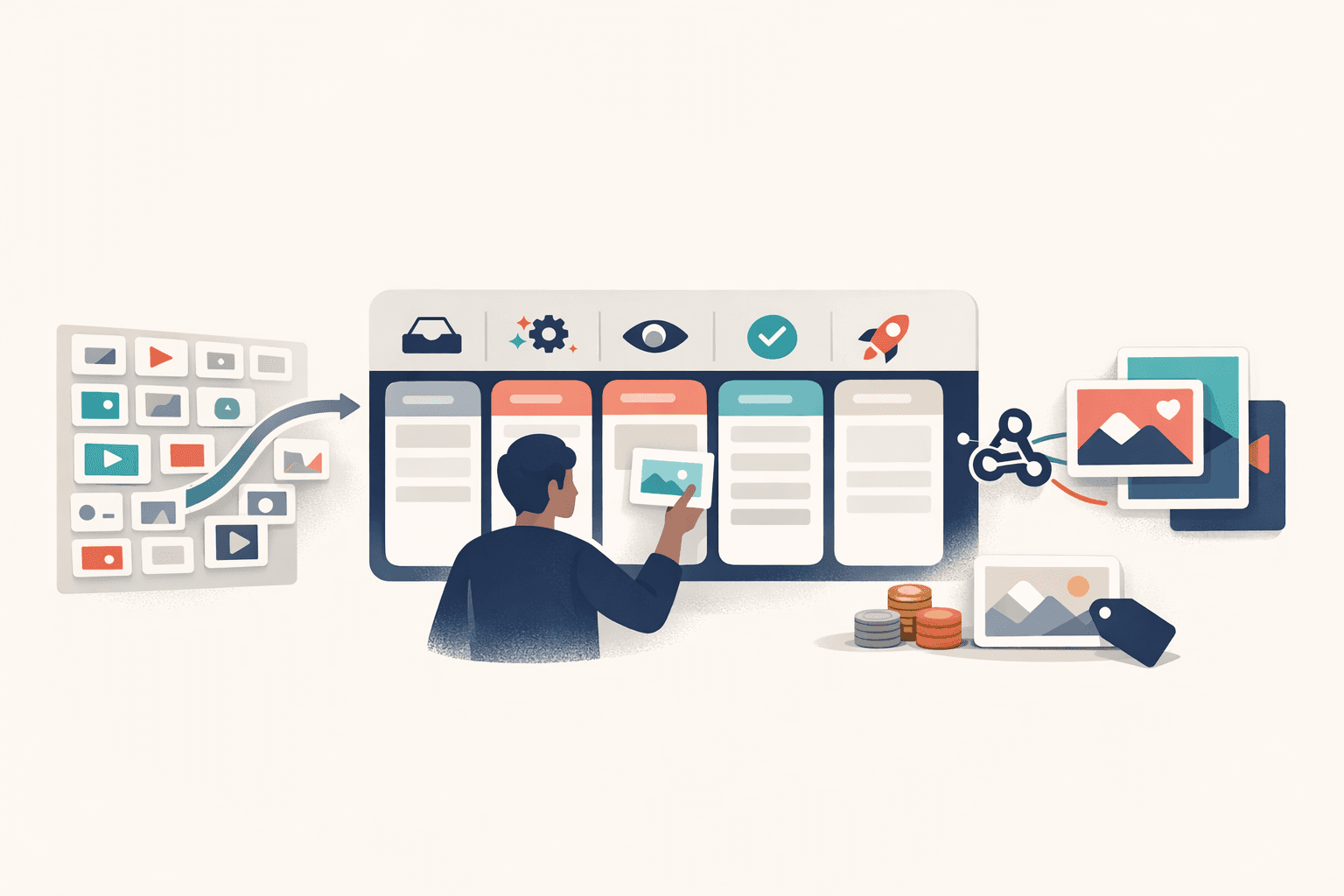
I used to think the “AI ads” problem was mostly a prompt problem. Write better instructions, add a few brand guidelines, and the model will magically produce a scroll-stopping creative on demand. Then I spent time comparing notes with Nico, who built a competitor ad library and has been exploring an ad-creation product. We ended up circling the same reality: image generation still isn’t reliable enough to build a fully self-serve product, but it’s already good enough to build a workflow that wins.
The uncomfortable truth about image gen, right now
If you’re honest about quality, most generated ads don’t pass the bar. The composition is slightly off, the hierarchy feels amateur, the “realism” is uncanny in a way that kills trust, or the output just doesn’t look like something you’d pay to put in front of customers. Nico said he keeps falling back to Canva for the final pass, and I’m in the same boat.
In my own experiments, the hit rate is roughly one out of five. Around twenty percent of generations come out close enough that a human can polish them into something publishable. The rest are expensive noise.
That number matters, because it changes everything about how you should build.
Why the winning move is a workflow, not a model
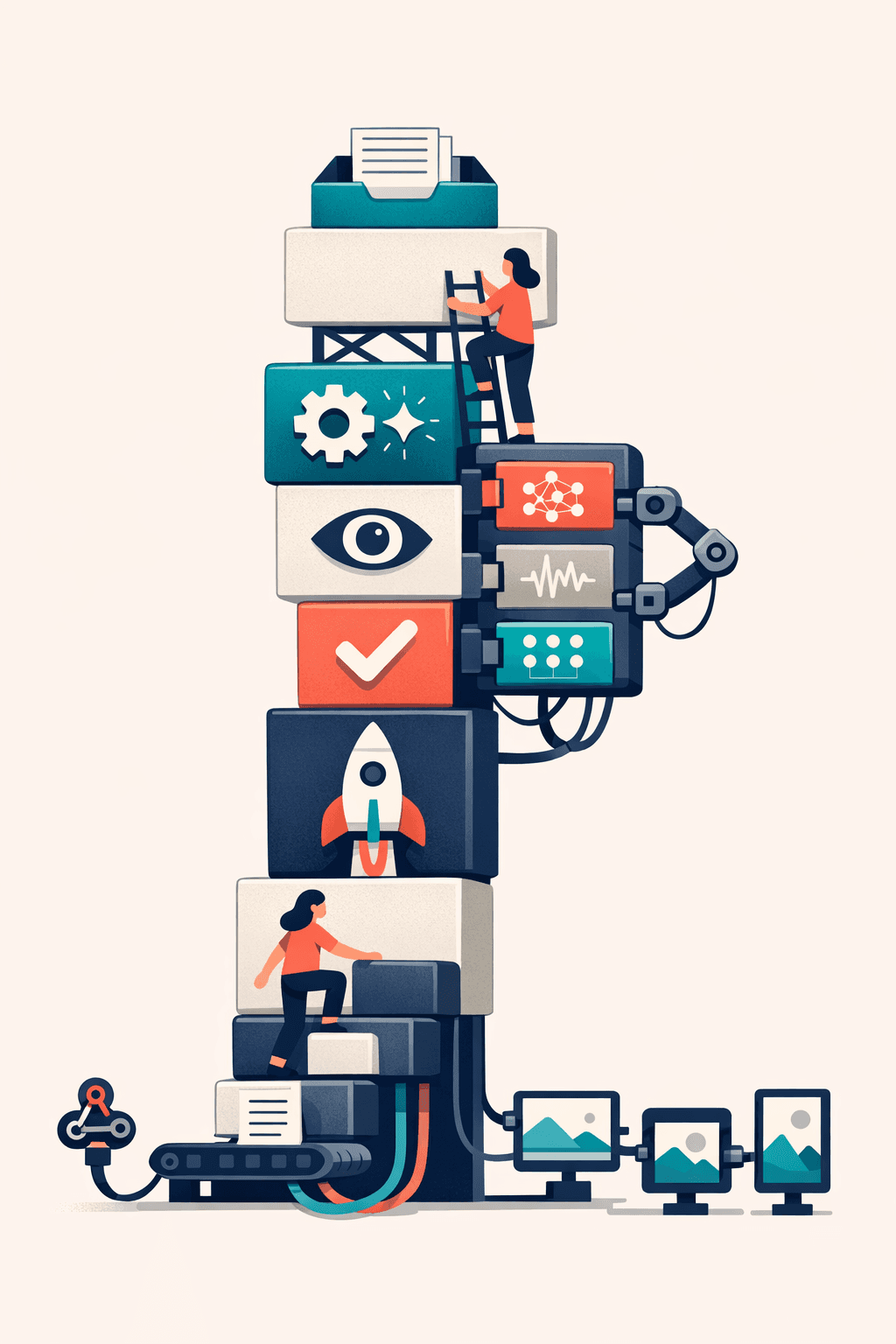
When people pitch “AI creatives,” they usually pitch it as a single magical moment: upload something, click generate, ship the result. What actually works today is a pipeline.
In Notis, the practical version looks like this.
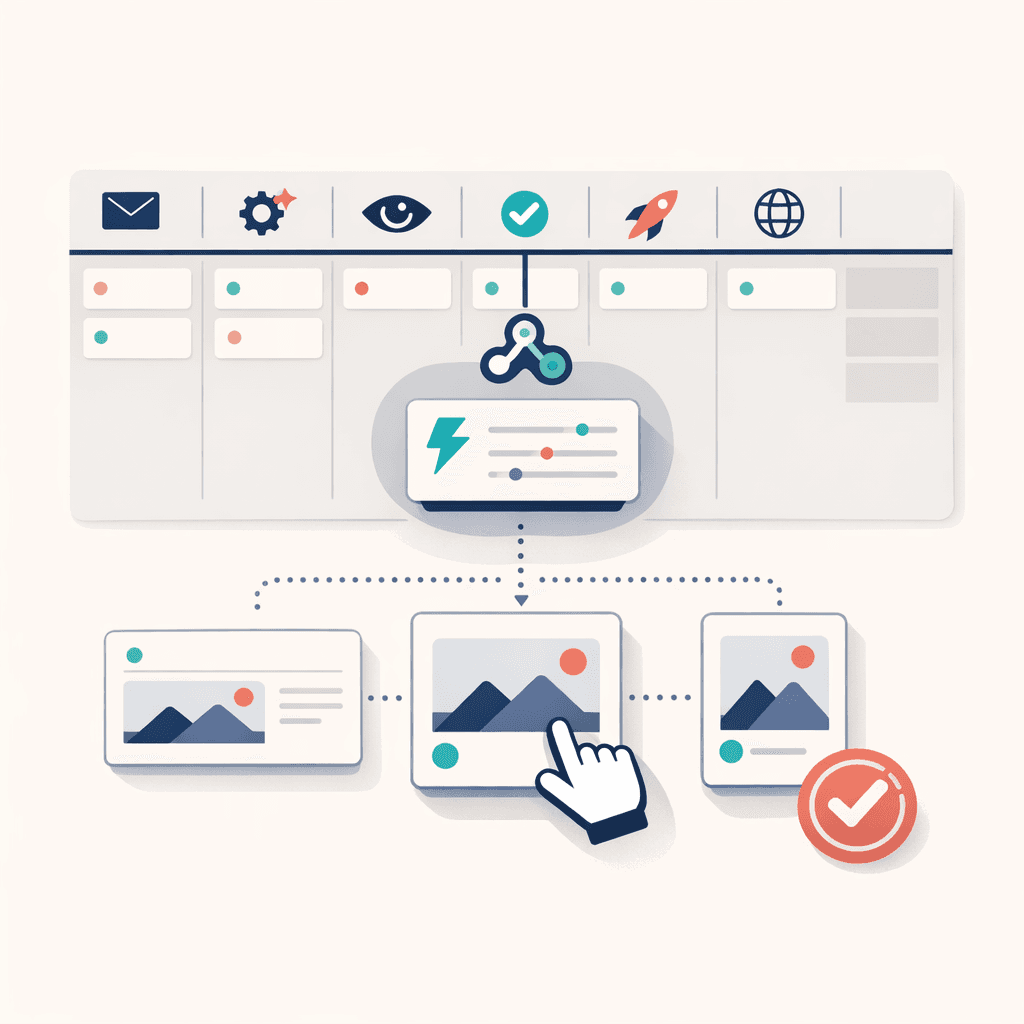
First, you capture inspiration. A competitor ad catches your eye. You screenshot it. That screenshot is not a prompt; it’s a piece of market data. It’s proof that a message and a visual pattern are being funded with real money.
Second, you make that inspiration flow into a system that can track, transform, and review it. I send screenshots to Notis through Telegram, and Notis logs them into a Notion database with a simple lifecycle: Inbox, Generating, Review, Ready, Published. The moment an item moves to Generating, an automation kicks off.
That automation does three things that matter.
It looks at the original creative and extracts what it’s really doing, not what it looks like. What is the claim. What is the structure. Who is it talking to. Why would an ICP care.
It writes a brief I can hand to a human, or a model, without losing the “why” behind the ad.
And then it generates variants, because the real world is messy: you need multiple formats to test and distribute.
Multi-format output is not a nice-to-have, it’s the product
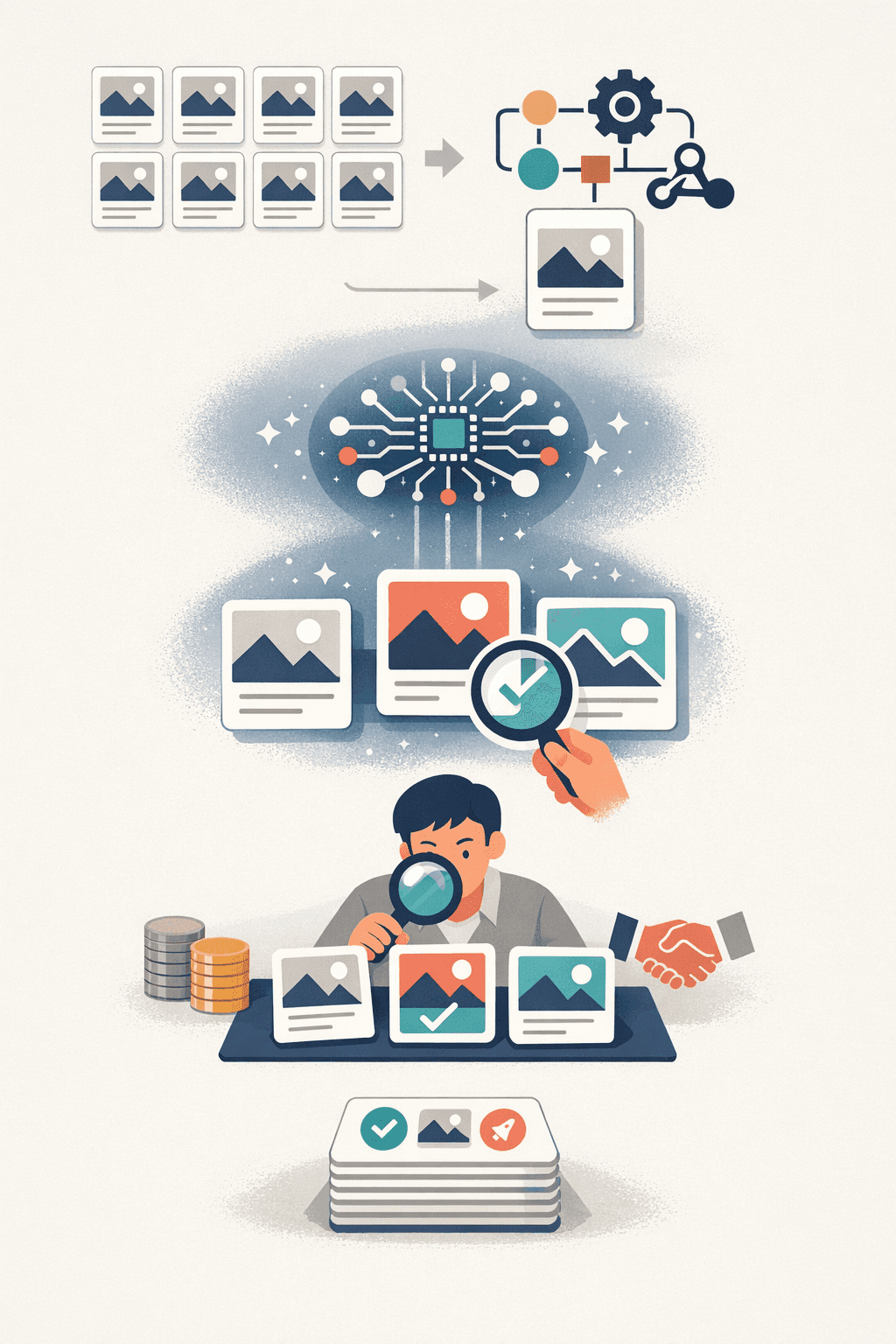
One of the fastest ways to waste time is to generate a single “pretty” ad and then spend an hour resizing, reframing, and rethinking it for each placement. When the workflow is right, the system gives you a landscape version, a square version, and vertical versions from the start.
The funny part is that the formats aren’t just dimensions. Each format forces a different hierarchy. Square wants clarity and punch. Portrait wants a more deliberate reading flow. Tall wants immediate movement and a clean top hook. If you don’t bake that into the pipeline, you don’t have a creative engine; you have a toy.
The business model shift: service-first isn’t a compromise, it’s the strategy
This is where most founders get stuck. They want to price like software, but they’re delivering something that still needs human taste.
If you’re playing in ad creative, the reference point is not “another SaaS subscription.” It’s what agencies charge. A very normal number is around two hundred and fifty dollars for a static creative. At that pricing, the product is not the generator; the product is throughput.
That’s why I’ve been pushing a service-first approach with Notis. Instead of trying to sell a twenty-dollar tool to everyone, I’d rather serve a handful of SMB clients directly at two thousand a month, and force the system to work in production. The economics are radically different. The feedback loop is immediate. And the roadmap becomes obvious, because you feel every breakage as it costs you time.
The endgame is not “hire more humans.” The endgame is to keep the same pricing while the margin improves as automation replaces manual work. Clients don’t care if the ad was made by a designer, a model, or a hybrid. They care that the ad performs and that it ships fast.
Lead magnets, hybrids, and why a free library is underrated
Nico built a competitor ad library so users can search and save ads by platform, brand, and industry. That’s a strong wedge, because it’s valuable even before you generate anything.
A free library can be the top of the funnel. The paid product can be a hybrid subscription: you send inspirations, you get weekly recreations, and the human layer is guided by AI briefs that preserve context. It’s not glamorous, but it’s how you turn “AI is not ready” into “we ship anyway.”
The six-month bet: build the human workflow now, swap in better models later
I’m not bearish on image generation. I’m impatient.
My bet is that within about six months the baseline quality will jump enough that the hit rate moves from twenty percent to something you can build around. When that happens, the teams who win won’t be the ones who waited. They’ll be the ones who already built the pipeline, collected the data, and turned creative production into an operational system.
The workflow is the moat. The model is a dependency.
A note on UGC: actors beat marketplaces, but scripts win the day
One practical resource that came up is Below.app, where you can hire UGC actors in the one-hundred-to-three-hundred dollar range per video. It’s often better than “creator marketplaces” when your goal is ad production, not influencer distribution.
The catch is simple: actors are not marketers. If you want performance, you need scripts. If you have scripts, you can create a repeatable system. And if you can create a repeatable system, you’re back to the same point: workflow first.
What I’d do if I were building in this space today
I’d stop trying to win on a single generation. I’d build a database, a pipeline, and a review loop. I’d treat competitor ads as structured inputs, not inspiration screenshots lost in a camera roll. I’d price like the market prices outcomes, not like the market prices tools. And I’d use the next six months to get obsessive about the process, because when the models improve, the process is what will let you scale.

Flo is the founder of Mind the Flo, an Agentic Studio specialized into messaging and voice agents.