Content
Why Building Great Products Isn't Enough Anymore (Hard Truth for Founders)
The hardest part about building software used to be… building the software.
Now, with AI in the loop, shipping has become weirdly addictive. You can go from idea to demo in a weekend. You can iterate ten times before your coffee gets cold. You can build things that would have taken a whole team a year, back when “shipping fast” meant “pushing a PR on Friday and praying.”
And that’s exactly the trap.
Because when building gets easy, building stops being the differentiator.
The uncomfortable shift: building is getting commoditized
I talk to founders every week who are genuinely good at product. They have taste. They can execute. They can iterate.
But they’re still stuck.
Not because their feature set is weak. Not because they’re missing one more integration. Not because they haven’t found the perfect onboarding flow.
They’re stuck because the bar for “a solid product” has dropped, and the volume of “solid products” has exploded.
AI didn’t just speed up building. It multiplied competition.
When everyone can build, the internet fills up with lookalikes. Same landing page structure. Same claims. Same screenshots. Same promises.
The result is not that customers have more choice.
The result is that customers have more noise.
Shipping fast feels like progress, but it can be avoidance
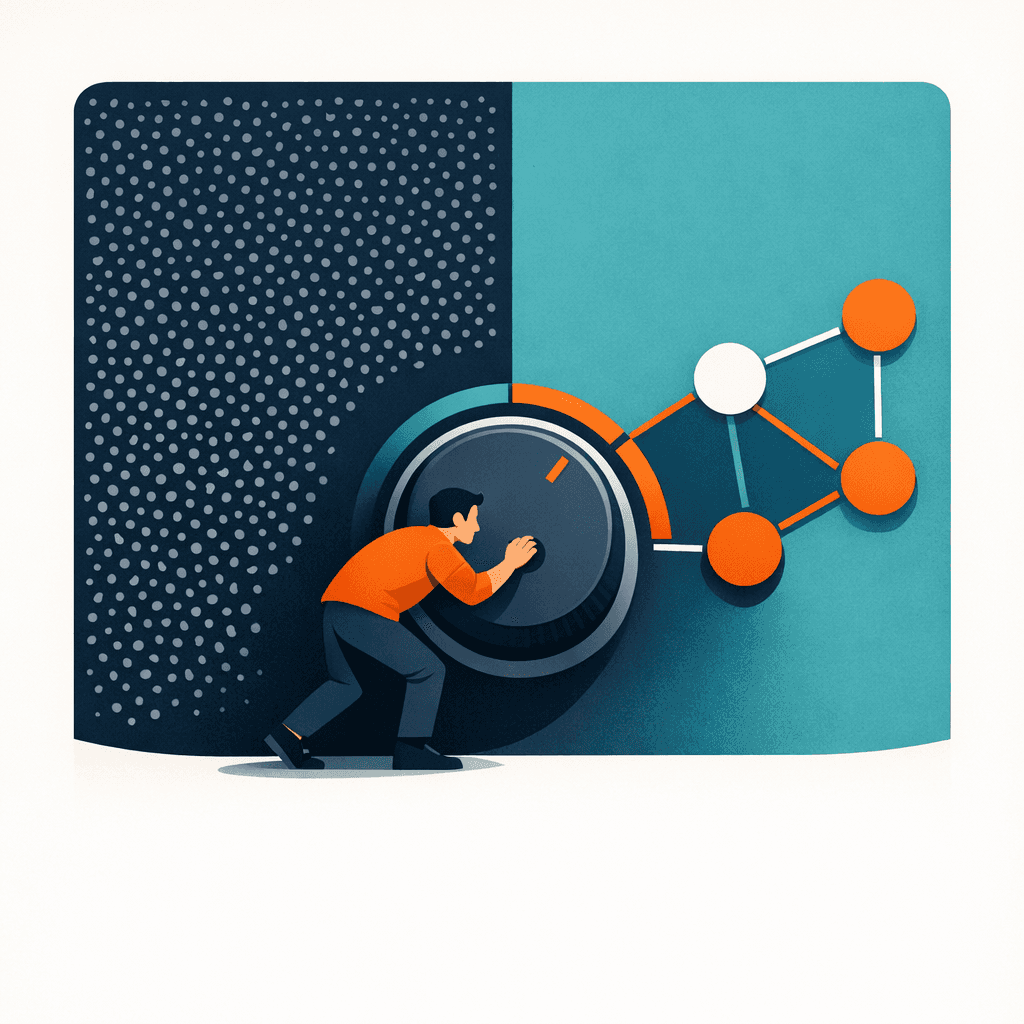
There’s a dopamine hit in pushing features.
You can measure it. You can show it. You can tweet it. You can feel like you’re winning.
Distribution is the opposite.
Distribution is messy. It’s slow. It’s social. It forces you to be seen. It forces you to repeat yourself. It forces you to talk to people who can ignore you.
So founders do what founders do best: they go back to the keyboard.
They tell themselves: “Once the product is good enough, it’ll spread.”
In 2015 that was sometimes true.
In 2026, it’s mostly a fantasy.
Why distribution beats building now
If your product is the thing you sell, distribution is the thing that makes people care.
Distribution is not “growth hacks.” It’s not “post more.” It’s not “run ads.”
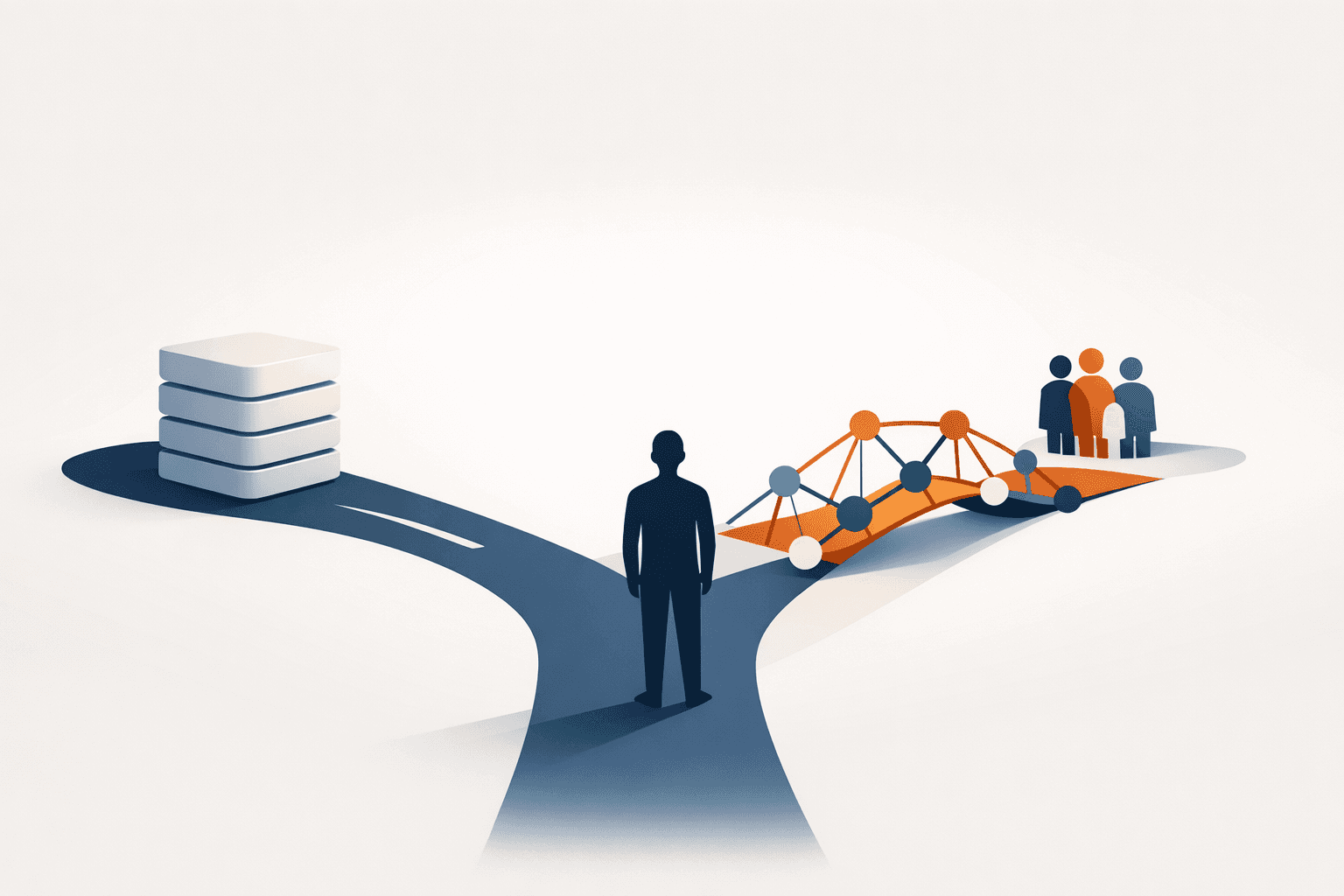
Distribution is the path by which someone discovers you, trusts you enough to try you, and remembers you long enough to come back.
In a world where dozens of alternatives appear the same, distribution becomes the differentiation layer.
Not because your product is bad.
Because people don’t have time to evaluate every “pretty good” option.
They choose the one that reached them first, felt most relevant, and seemed safest.
Trust is the real product
Here’s the hard truth I wish someone had tattooed on my forehead when I started building: most people don’t try your product because of your features.
They try your product because they trust the story around it.
Trust can come from a person, a brand, a community, a friend, a repeated presence, or a track record.
But it rarely comes from your changelog.
When I say “trust,” I don’t mean fake authority. I mean the very human feeling of: “I believe this will not waste my time.”
And your job as a founder is to earn that feeling before you ask for a signup.
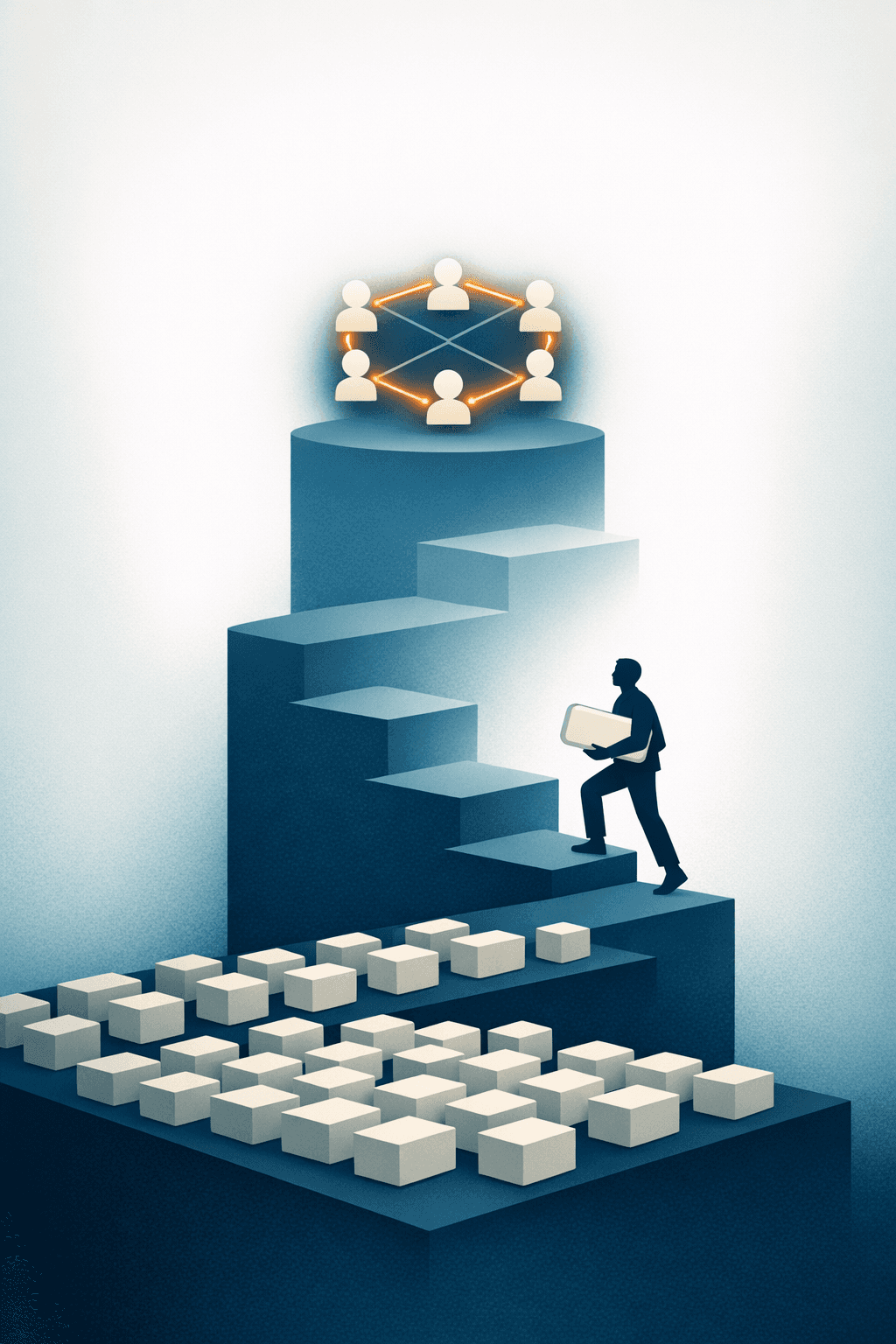
Personal brand isn’t vanity, it’s a trust network
A lot of founders hate the idea of “building a personal brand.” I get it. It sounds like posting selfies and hot takes.
But that’s not what I mean.
I mean building a small, consistent trust network where people know what you’re about.
If you build in public, share what you learn, explain the trade-offs you’re making, and show your taste over time, you’re doing something that can’t be copied by a weekend builder.
Anyone can replicate your UI.
Almost nobody can replicate your accumulated credibility.
And in a market full of “same same,” credibility is the shortcut to attention.
The founder’s new job description
When building was hard, the founder’s job was to make the thing exist.
Now that building is easier, the founder’s job is to make the thing believed.
That means you still need a great product, but you don’t get to hide behind it.
You need distribution channels you can actually reach people through.
You need a point of view people can recognize.
You need proof that you’re not going to disappear in three months.
You need a reason for someone to remember you tomorrow.
A simple way to think about it
In 2026, a startup is basically two engines running in parallel.
One engine is product: the craft, the taste, the speed, the reliability.
The other engine is trust: the voice, the relationships, the distribution, the reputation.
If one engine is missing, you don’t move.
If you only build, you get drowned.
If you only market, you get exposed.
The winners are the ones who can ship and be trusted.
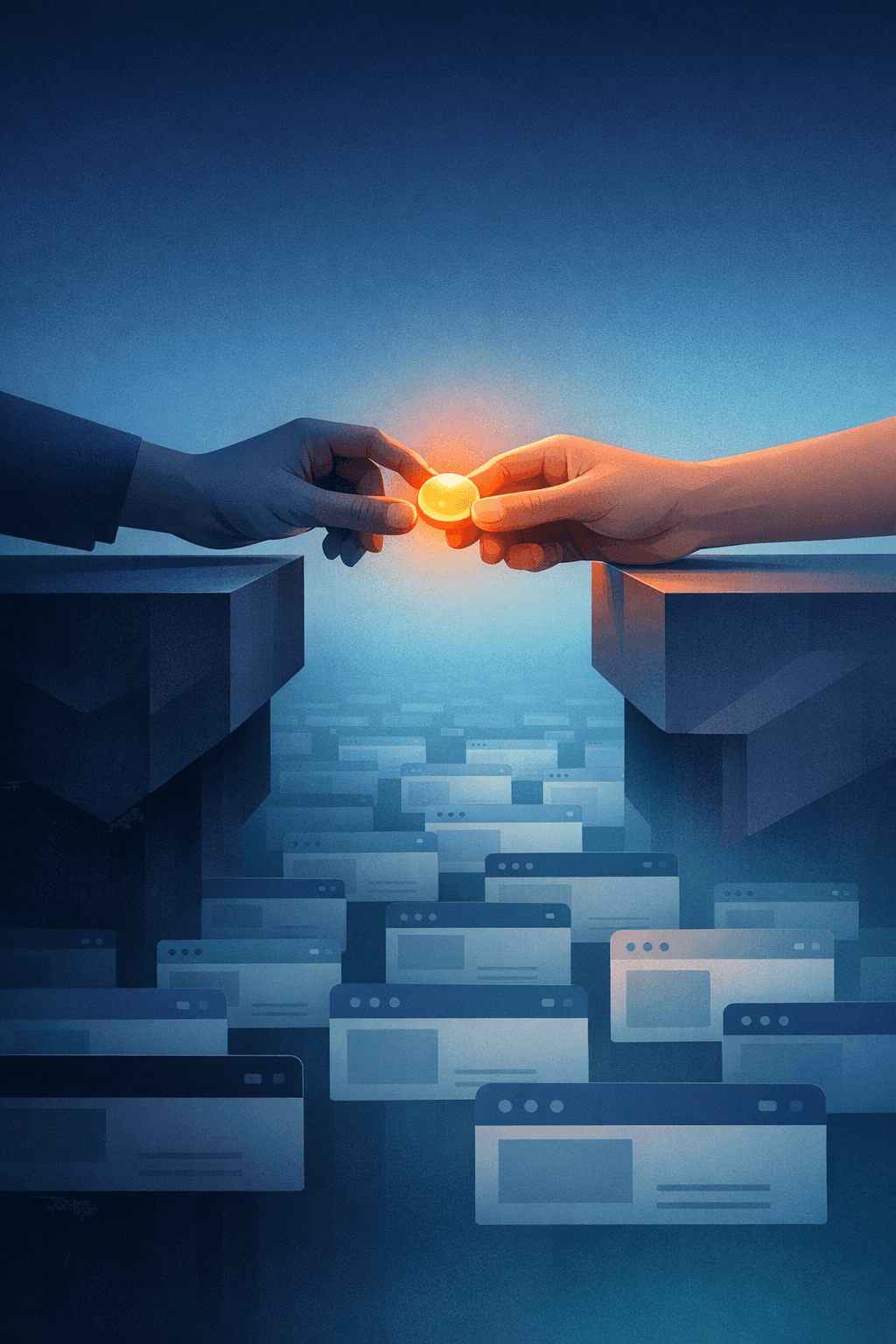
The hard truth (and the good news)
The hard truth is that “build a great product and they will come” is not a strategy anymore.
It’s hope.
The good news is that distribution and trust aren’t magic either.
They’re a practice.
You earn them by showing up, being consistent, talking to your users, saying the same thing in a hundred different ways, and letting your market watch you think.
AI made building cheaper.
So the scarce thing shifted.
Now, the scarce thing is belief.
And if you can earn belief, you can win even in a world where everyone can build.

Flo is the founder of Mind the Flo, an Agentic Studio specialized into messaging and voice agents.