Content
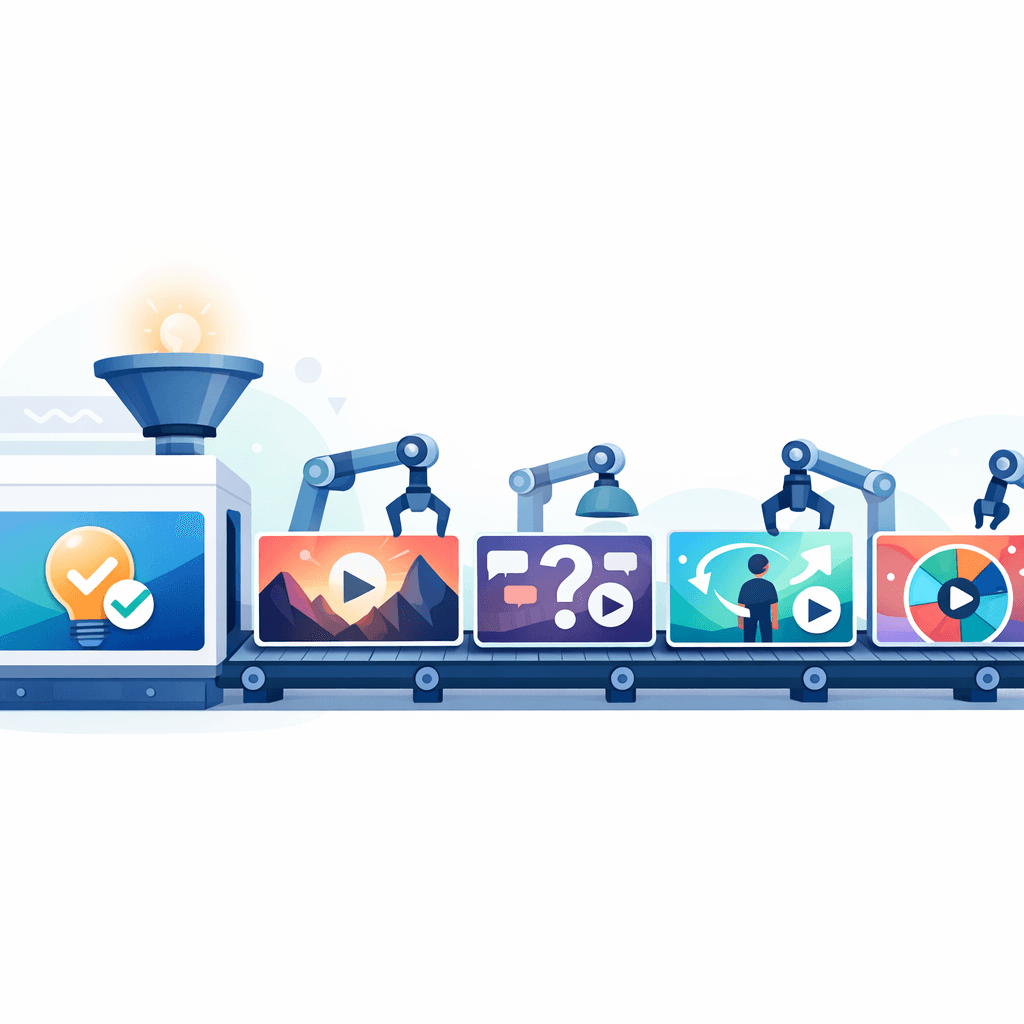
What $100 on YouTube taught me about Notis growth (and why we split B2B vs prosumer)
I used to think “weekly reporting” was the boring part of building a product. Lately it’s become the clearest window into what’s actually working, what’s noise, and what needs a hard pivot. This week was one of those weeks where a small ad spend, a single customer, and a few uncomfortable metrics forced us to tighten the entire Notis growth system.
The $100 YouTube test that told me the truth
We kicked off our first YouTube ad experiment with a tiny budget on purpose. I wanted signal, not vanity. We spent one hundred dollars and learned more than we deserved for the price.
The view rate landed around twenty percent. That’s not catastrophic, but it’s the low end of what we should accept. The real punch in the face was the click-through rate. It was nowhere near the one to two percent you typically expect when the creative is doing its job.
What surprised me is that the opening hook actually worked. The line “don’t treat AI like a senior employee” grabbed attention. Then people left. Which means the hook wasn’t the problem. The promise-to-payoff was.

The real creative problem: retention after the hook
There’s a painful lesson here that I’ve learned in other forms before: getting attention is cheap; earning attention is the product.
If someone watches the first two seconds and bounces, it’s not a distribution issue. It’s not an audience issue. It’s not even a “platform” issue. It’s structure.
The fix we’re implementing is simple, and it’s going to feel backwards when you start doing it: answer the question first, then create multiple hooks after the fact, and test them as interchangeable intros.
When you record “hook-first”, you lock yourself into a narrative that often doesn’t pay off fast enough. When you record “answer-first”, you get a clean core that can be packaged into five different openings without rewriting the whole video.
One funnel became two: B2B and prosumer can’t share the same pipeline
In the middle of all this, I signed our first real B2B customer. Ten licenses at a thousand dollars a month.
That deal matters for revenue, but it matters even more for math. The lifetime value picture changes completely. When a customer can realistically be worth around twenty grand over time, you’re allowed to buy growth differently. You can invest in onboarding. You can spend more to acquire. You can afford a longer sales motion.
And that’s the moment it became obvious: we can’t market Notis to “everyone who wants AI productivity.” That’s not a segment. That’s a wish.
So we’re splitting the machine into two separate streams.
For B2B, the narrative is about turning company knowledge into leverage: blog production, newsletters, and social media systems that don’t collapse the moment the founder gets busy.
For prosumers, the narrative is about personal execution: tasks, notes, and the boring-but-life-changing workflow of keeping CRMs and tools updated without friction.
This isn’t an optimization. It’s a requirement. Right now our site barely speaks B2B at all, so dedicated landing pages aren’t a nice-to-have. They’re the starting line.

The B2B playbook we’re betting on: LinkedIn warm outbound
If you’ve ever tried cold email in 2026, you already know how that story goes. The deliverability treadmill is exhausting, and the replies tend to be either spammy or nonexistent.
We’re prioritizing LinkedIn for B2B because it lets you warm people up before you ever ask for time.
The strategy is straightforward. We run targeted content to a defined persona, then we follow up with outbound messages that feel like a continuation, not an interruption. The expectation is to keep the system honest with concrete throughput: connection accepts, replies, and booked calls. The early targets won’t be perfect, and that’s fine. The point is to get the first loops running so the persona can sharpen itself against reality.
There’s a subtle psychological edge here too: when someone has already seen your content, your message doesn’t arrive as a stranger. It arrives as context.
Building a content engine that can survive reality
The other big shift this week is volume, but not the empty kind.
We’re ramping to twelve or more videos per week by mixing sources: help center videos (high-intent, high-clarity), a UGC creator producing short-form batches, and my own weekly recordings. I’m intentionally not shooting “studio perfect.” If I can’t ship content when I’m busy, the system is fake.
We also have a motion design video in production to present Notis without my face for directories and placements. I’m cautious here. Motion design often looks great and converts poorly. It’s a tool, not a strategy.

X is pushing video again, so we’re acting like it
I have the biggest organic community on X, and I’ve been underusing the one format the algorithm is currently rewarding: video.
So we’re fixing distribution like adults. Everything gets scheduled, consistently, through a tool that doesn’t randomly break without telling you. The plan is to post multiple times per day at first to clear the backlog, then settle into a cadence that keeps the loop alive.
The funny part is that I’m already paying for X verification, and it includes meaningful ad credits. Whether we use those credits well is a separate question, but the baseline lesson is obvious: when a platform is handing you reach for a format, you don’t argue—you ship.
What I’m taking into next week
The theme is separation and structure.
Separate funnels because the buyer journeys are fundamentally different. Structure content because attention is earned after the hook, not during it. And measure everything with enough humility to let a one-hundred-dollar test tell you your story isn’t landing.
If you’re building with AI right now, here’s the part I’d steal: don’t just “make content.” Build a system where the core answer is solid, then let distribution be the variable you test. That’s how you stop guessing and start compounding.

Flo is the founder of Mind the Flo, an Agentic Studio specialized into messaging and voice agents.