Content
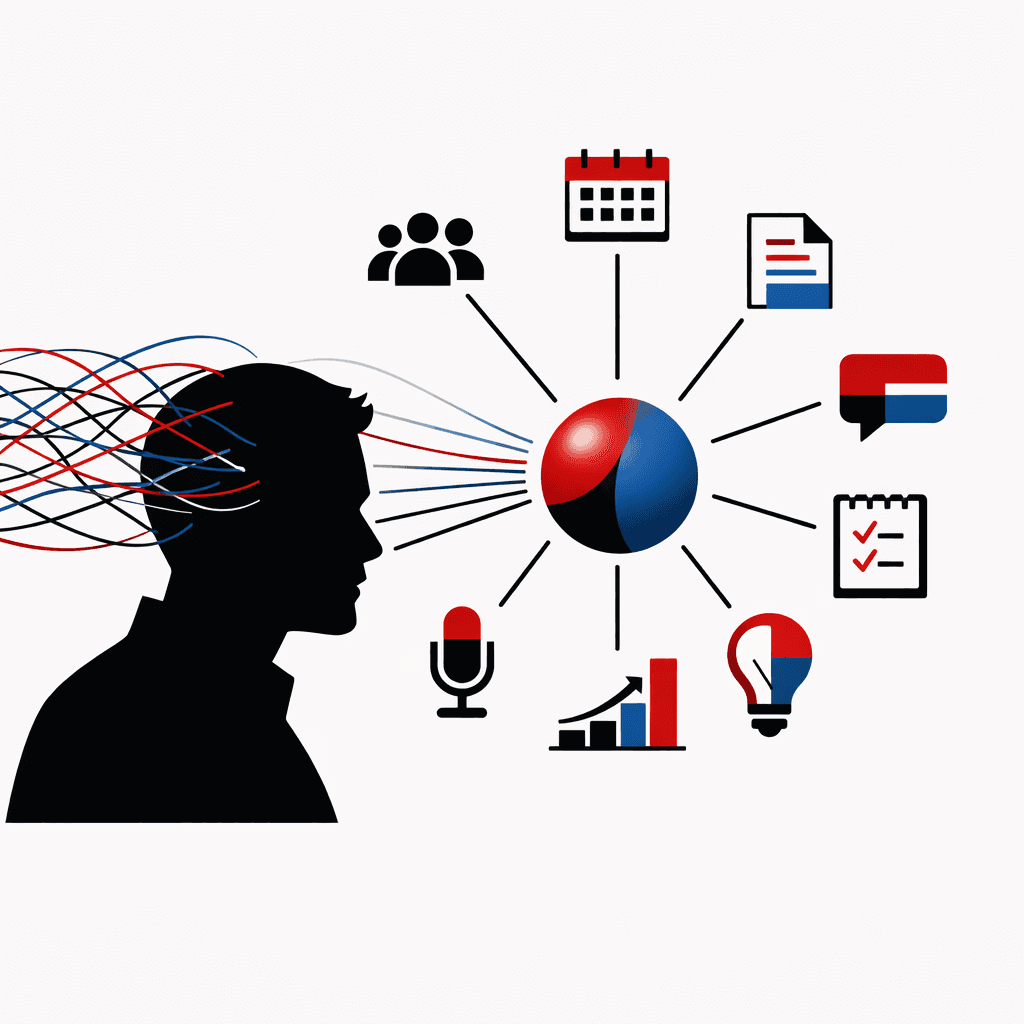
The only moat left for AI products: ICP clarity + a content machine
I used to believe that if the product was good enough, distribution would take care of itself.
A year into building Notis, I’ve learned the opposite is true: when everyone can build with AI, what compounds isn’t just product velocity. It’s clarity about who you’re for, what you’re for, and the machine you build to tell that story every week.
One year in: the numbers are the easy part
In January 2026, Notis hit $7,007 in MRR, which puts us around $90k ARR, with 228 paying users. I’m sharing that because it’s concrete, but also because it’s misleading: the number doesn’t explain why it happened.
What mattered more was finally seeing the first profitable week, where revenue covered ads and infrastructure. That moment is less about chest-thumping and more about permission. It’s the point where you stop asking, “Is this even viable?” and you start asking, “What do I double down on without breaking what works?”
The real unlock: stop guessing your ICP
For three months I ran surveys, watched onboarding behavior, and forced myself to decide what Notis is, and what it isn’t. The outcome was surprisingly crisp.
Roughly half our users are founders, and a big chunk of those founders have ADHD. Another quarter are executives. That detail isn’t a fun marketing persona. It shapes everything: how onboarding feels, what “time saved” actually means, and why a tool has to meet you where your brain already is.
What surprised me most wasn’t the ICP split. It was what people wanted from the product.
Notis isn’t winning because we’re the best at one thing. We’re winning because the same agent can do several high-leverage jobs for you, inside the system you already run: your notes, your tasks, your meetings, your writing.
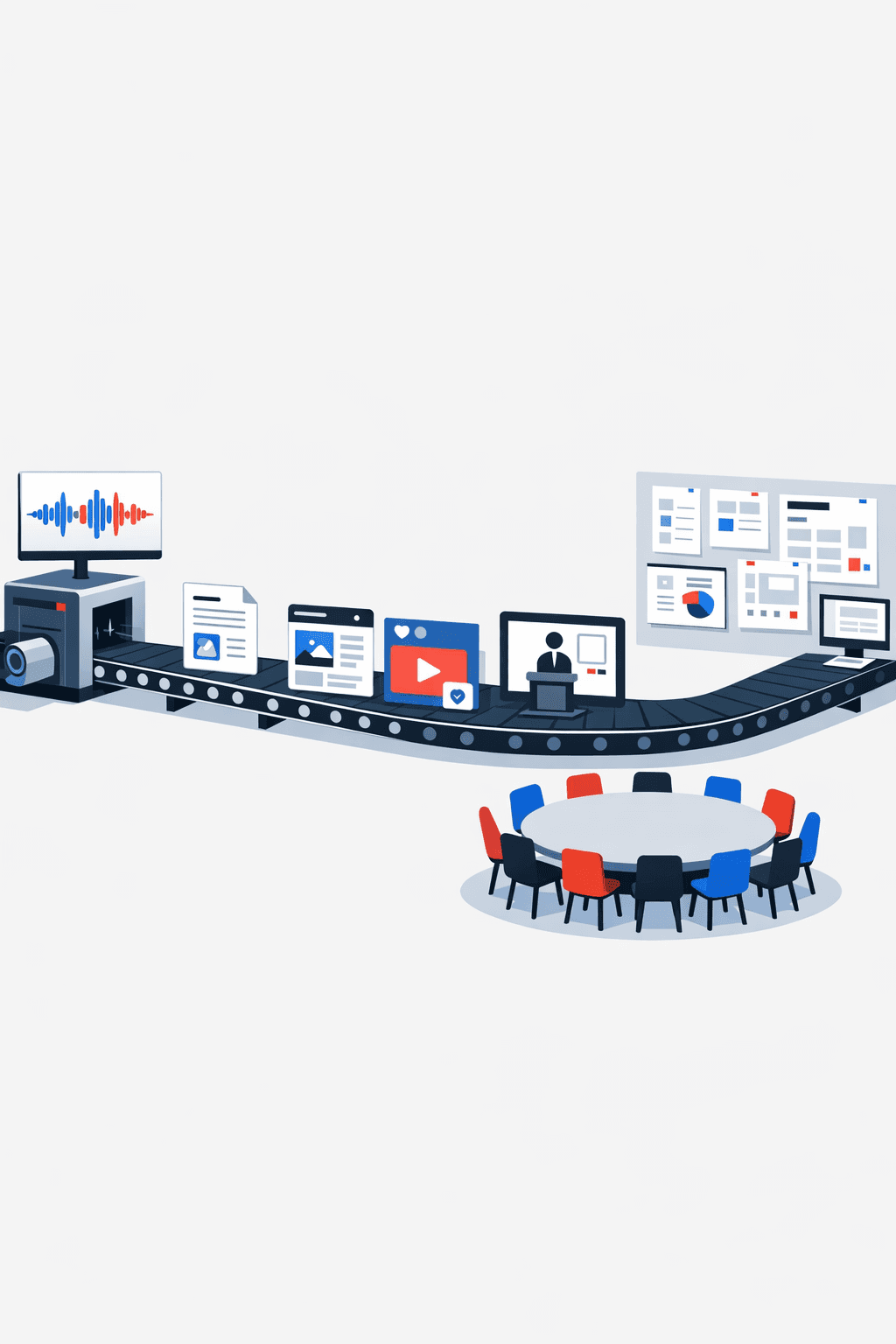
Why “multi-use-case agents” beat single-feature tools
We validated eight core use cases and committed to them everywhere: on the homepage, in signup, and in the help center. Note taking. Task management. Social media. Blog and newsletter drafts. Meeting management. CRM updates. Bug reporting. Expense tracking.
On signup, people pick what they care about, and onboarding adapts automatically. After months of data, users typically select three to six use cases, and selection is surprisingly balanced. Almost nobody clicks “other.”
This is the point most AI products miss: specialization feels clean on a landing page, but real work isn’t clean. Your day is messy. Your context is fragmented. And the value of an agent isn’t that it writes the perfect summary. It’s that it can move work across contexts without making you do the glue work.
If you’re building an AI tool right now, here’s the uncomfortable question: are you solving a job, or are you building yet another place people have to copy-paste their life into?
Growth didn’t come from one channel, it came from a loop
Our acquisition is aggressively multichannel. We’re running AdWords. We show up on Twitter. We test Facebook. We’re listed on directories. The funny part is that over half our traffic is branded organic.
That’s not SEO magic. That’s the side effect of visibility. When your content works on one channel, it creates demand that shows up somewhere else as “Notis AI” searches.
The metrics behind it are worth stating plainly.
Paid acquisition on paying accounts sat around $110 for the month. Trials averaged about $24 last week. More than half of trials convert to annual plans. Over a quarter pick Pro Plus at $60. And around 7% end up paying $100–$150 per month.
Those numbers don’t mean “go copy this.” They mean the system is coherent: positioning, onboarding, pricing, and distribution are reinforcing each other.
Pricing: the $29 experiment, and what it actually taught me
I tested a $29 base price for about two months. It improved LTV, but it slowed growth enough that it wasn’t worth it at our stage. So I went back to $20.
The more important lever wasn’t the monthly price. It was the annual anchor.
When your annual discounted price lands at roughly $13/month, it makes the annual decision feel obvious, especially for founders who want to buy peace of mind once and stop thinking about it.
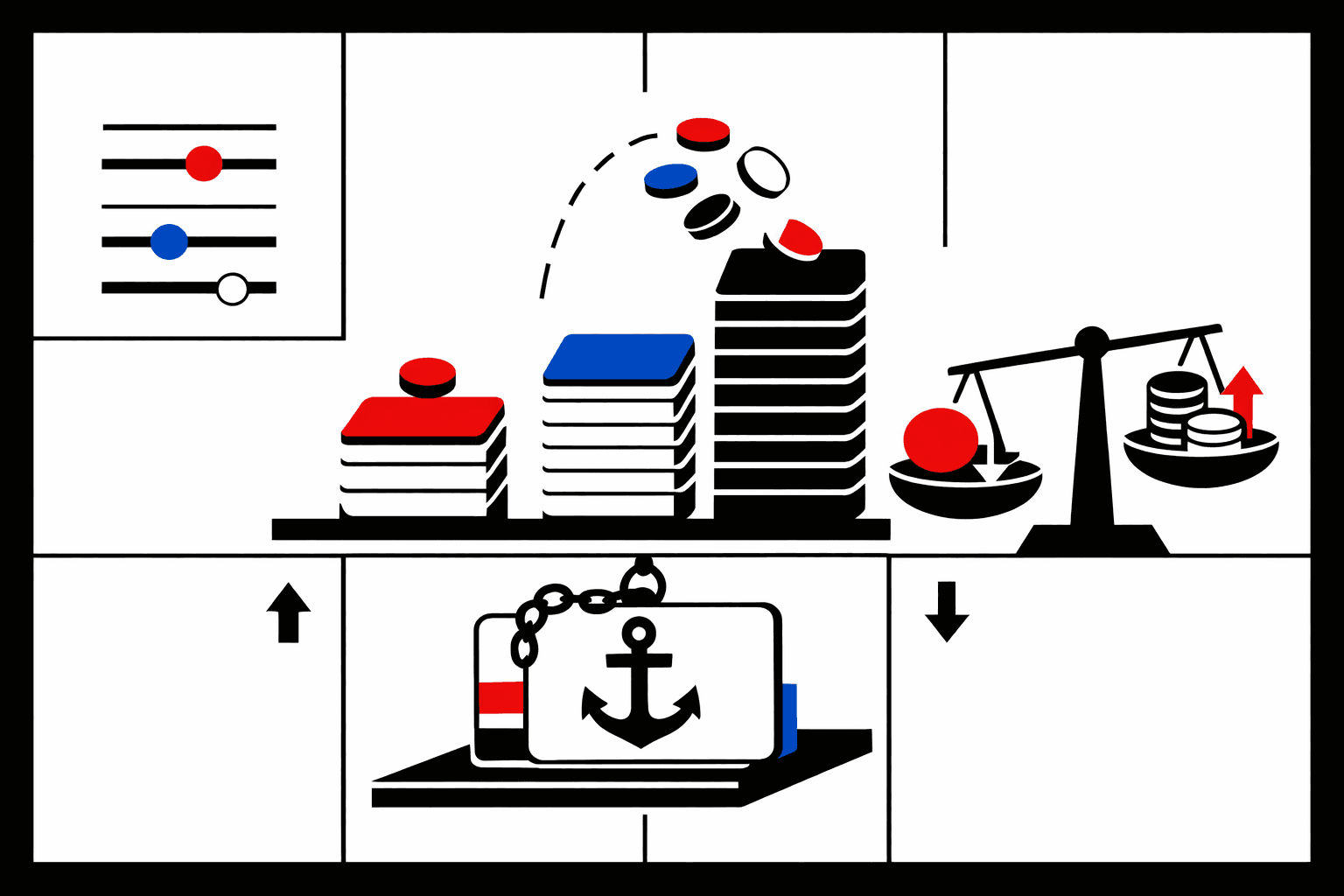
Our plans are simple on purpose.
Pro is $20. Pro Plus is $60. Ultra is $150.
The core differentiation is usage credits, because that’s the honest cost driver in AI products. Pro Plus also includes automations. Ultra adds a WhatsApp call with a voice agent that can reach hundreds of integrations.
Here’s what makes this model viable: margins. Most people don’t consume all their credits. That’s not because they don’t get value, but because the highest value actions are often lightweight. A single great meeting recap, a polished follow-up email, a week of tasks cleaned up and scheduled. You don’t need infinite tokens to feel the difference.
Distribution is the moat now, and personal branding is the vehicle
I’m going to say something that used to annoy me.
The durable differentiation isn’t the product. It’s the person and the story.
When the tooling is commoditized, your edge becomes trust, taste, and consistency. That’s personal branding, even if you hate the term.
The irony is that my persona, and a lot of our users’ persona, is the exact kind of founder who doesn’t want to do content. ADHD founders are allergic to “post every day” advice. So I approached it like a systems problem.
That’s where the Content Generation Machine comes in: you take organic, real content and you process it into assets. Calls become blog posts. Blog posts become social posts. Social posts become webinars. Webinars become lead magnets. And the entire thing is powered by AI agents sitting on top of a well-organized second brain in Notion.

The key insight is that “productivity” isn’t about doing more. It’s about organizing your inputs so your agents can do more without you.
B2B didn’t require a new product, it required permission
We shipped Team Management starting at Pro Plus. You can invite your team by phone number, manage licenses centrally, and share automation templates inside the workspace.
What I like about templates isn’t the marketplace fantasy. It’s the compounding. One person writes a better prompt. The whole team benefits. Then someone else improves it. The system gets smarter without becoming more complex.
That feature shipped, and shortly after we sold our first real B2B contract: ten Ultra licenses for $1,000 in monthly recurring.
That deal taught me something simple: teams don’t buy “AI.” They buy outcomes with fewer coordination costs.
The services layer: shipping one workflow per week for a year
Alongside the product, I started experimenting with a services offer. The format is subscription-based: a company buys one day per week of a Notion consultant. The consultant ships a workflow per week, tests it, trains the team, and assigns AI coworkers to each person.
If that sounds heavy, it’s actually the opposite. It’s gradual change. It’s a way to let automation maturity grow inside a company without creating internal project debt.
In practice, it means the boring things finally happen: blog drafts get validated, social posts get scheduled, CRM follow-ups get sent, meeting notes turn into tasks, and the whole system improves every week.
My content ops stack is intentionally portable
A lot of founders ask about setup, because the hidden constraint in content is friction.
My travel-friendly kit is simple: a small scroll, two foldable lights, an old DSLR, and an Elgato teleprompter. The teleprompter matters because it lets you look at the camera while you’re still seeing people and notes.
It also exposes an uncomfortable truth: reading naturally without your eyes darting is a real skill.
On the software side, I like Descript for clean edits. For audio, DJI mics plus an iPhone gets you 90% of the way there.
What I’m doing next
In 2026, I’m going hard on education: webinars, lead magnets, and a tighter content loop that turns real conversations into compounding distribution. Not because I think content is fun, but because I think it’s the only reliable way to stay top of mind when your competitors can ship features just as fast as you can.
If you’re building an AI product, I’ll leave you with the only framework that’s held up for me.
Your product is what people pay for.
Your positioning is why they understand it.
Your distribution is why they notice.
And your systems are why you can do it again next week.

Flo is the founder of Mind the Flo, an Agentic Studio specialized into messaging and voice agents.