Content
Notis vs. Paperclip: Which AI Workflow Tool Fits Your Team? (1)
Quick Take
Notis and Paperclip solve very different problems. Notis is the better fit for founders, operators, and teams who want to capture work through voice and messaging, then turn it into structured action inside Notion with minimal setup. Paperclip is the better fit for technical builders who want an open-source control plane for managing AI workers, budgets, approvals, and runtime adapters, and who are comfortable owning more setup and operational complexity.
Product Overviews

Notis
Notis is a messaging-first AI assistant designed to help people turn voice notes, chat messages, images, and other messy inputs into useful outputs. It is especially strong when Notion is your system of record, because it focuses on capturing work where it already happens—through channels like WhatsApp, Telegram, iMessage, Slack, and email—and structuring it into tasks, notes, reminders, and operational workflows.

Paperclip
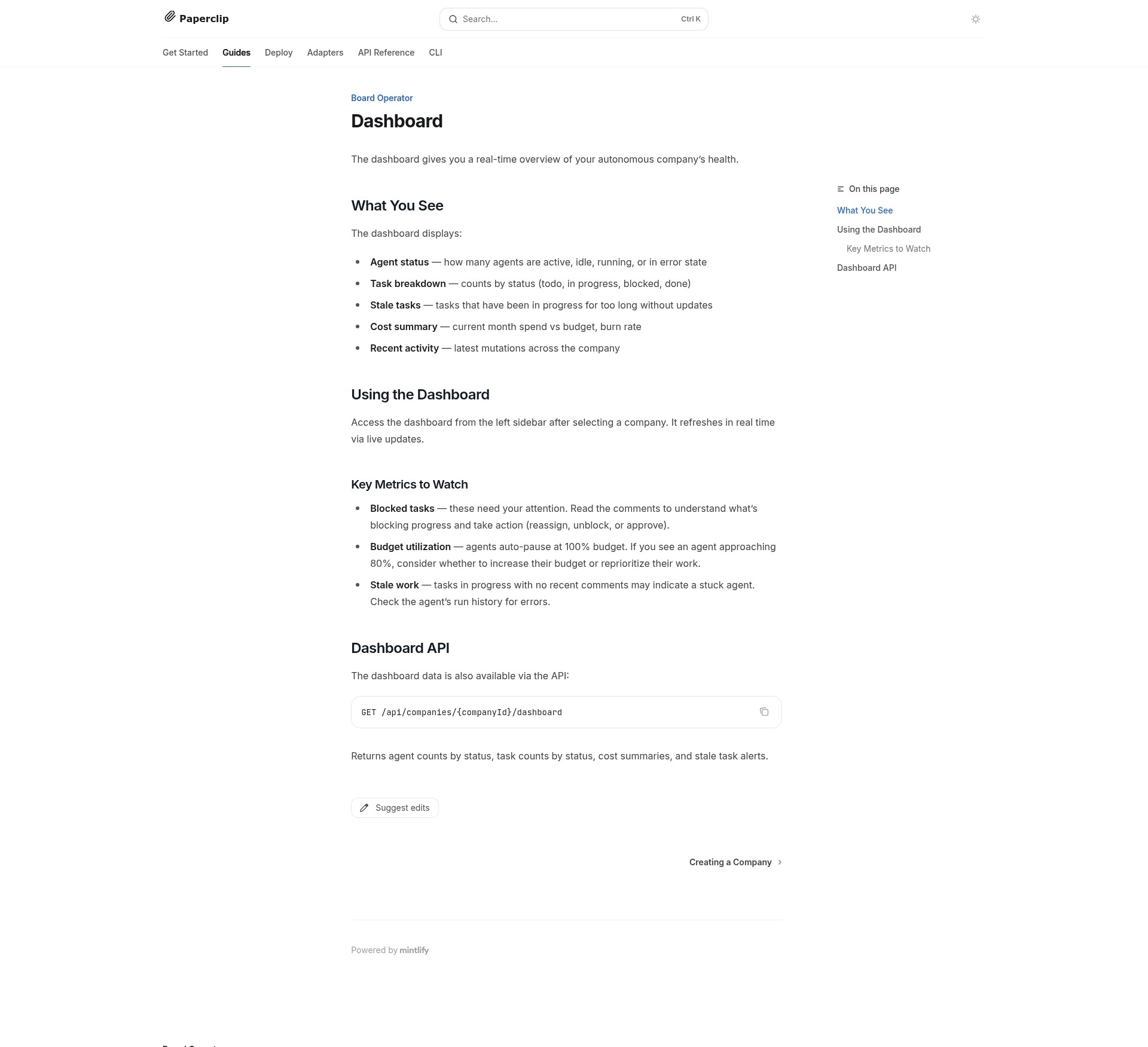
Paperclip is an open-source orchestration and control layer for what it calls zero-human companies. Instead of starting from messaging-based personal productivity, it focuses on coordinating AI employees across goals, tasks, budgets, approvals, dashboards, and runtime adapters such as Claude Local, Codex Local, Gemini Local, Cursor, OpenClaw, and webhooks. It is built for technical teams that want flexibility and control more than convenience.
Head-to-Head Table
Voice capture (WhatsApp/Telegram): Notis offers a strong messaging-first workflow with channels such as WhatsApp and Telegram built into the core experience. Paperclip is not a messaging-first product, and voice capture is not the main value proposition.
Notion integration: Notis is a strong fit when Notion is the destination for tasks, notes, and structured operational data. Paperclip is not centered on Notion and is aimed more at broader orchestration than voice-to-Notion workflows.
Task & reminders: Notis is built for capturing to-dos, follow-ups, reminders, and recurring work quickly. Paperclip is built for assigning goals and tasks to AI workers, with more operational overhead.
Web search & RAG: Notis is better framed as an assistant that executes work and uses connected context. Paperclip is better framed as a control plane for AI systems, where broader orchestration matters more than personal capture.
Automations/follow-up: Notis is strong for managed automations, recurring actions, and follow-up workflows with less setup. Paperclip is strong for technical orchestration, approvals, runtime adapters, and custom AI worker management.
Pricing: Notis uses subscription pricing with clear managed plans such as Pro, Pro+, and Ultra. Paperclip has an open-source and self-hosted posture, with costs tied more to infrastructure and model usage.
Security & compliance: Notis offers an easier managed experience, but public compliance details are not heavily surfaced. Paperclip can appeal to technical teams through open-source transparency, but security posture depends heavily on your own deployment choices.
Key Differences Explained
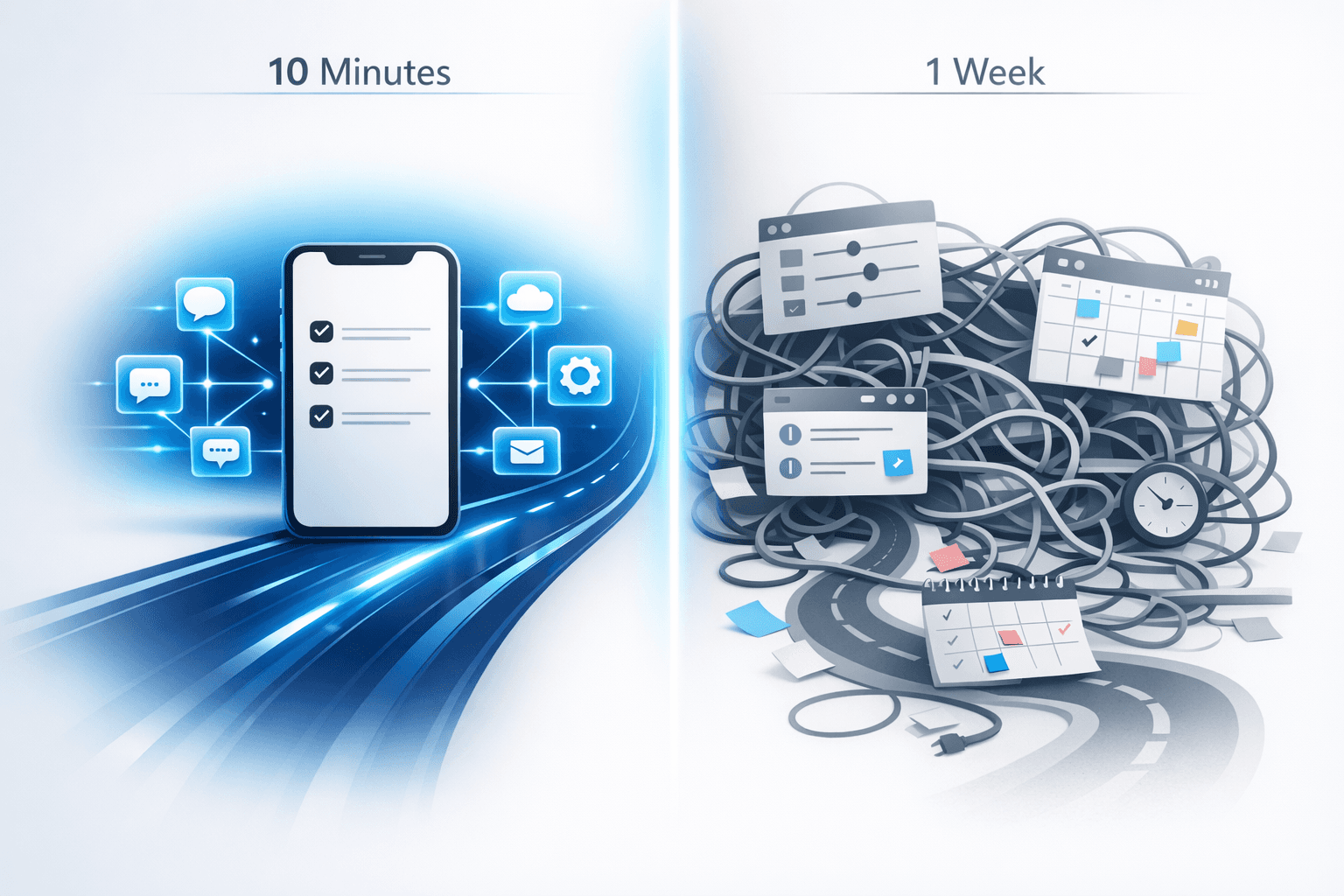
The biggest difference is the point of entry. Notis begins with the messy reality of how work actually shows up: a voice note after a meeting, a follow-up idea sent over chat, or a task you need to remember before it disappears. Paperclip begins at a much more system-level layer. It assumes you are designing and supervising AI workers, setting goals, budget controls, and approvals, and wiring multiple runtimes together. That makes it far more technical by design.
Another major difference is who owns the complexity. Notis is managed software with clear pricing and a faster path to value, which matters if you want to deploy an assistant for yourself or your team without turning the setup into a project. Paperclip gives technical teams more control, but that control comes with infrastructure choices, runtime management, and operational overhead that many non-technical teams simply do not want.
The third difference is workflow philosophy. Notis is strongest when the goal is to capture, structure, and follow through on work across channels you already use, especially when Notion is central to your operating system. Paperclip is strongest when the goal is to run AI agents more like managed employees with oversight, approvals, and budget controls. Those are both valid directions, but they serve very different day-to-day needs.
Which One Should You Choose?
If you are an executive, consultant, founder, or operator who mainly wants to capture work quickly, stay on top of reminders, and keep Notion updated without extra friction, Notis is the more natural choice. It is especially compelling if your best ideas arrive in motion and your team already lives in messaging apps.
If you are an engineer, technical operator, or experimental team building agent-heavy systems and you want more control over runtimes, governance, and orchestration logic, Paperclip will likely feel more aligned with your needs. Its open-source posture makes more sense when flexibility matters more than ease of adoption.
For most voice-to-Notion workflows, though, Notis fits better. It removes the capture friction, works inside channels people already use, and turns scattered input into structured execution without asking the user to become an AI operations manager first.
Wrap-Up
Notis and Paperclip are both interesting, but they are optimized for different layers of work. If you want a technical control plane for AI workers, Paperclip is the more ambitious orchestration play. If you want a practical assistant that turns voice, chat, and everyday inputs into action inside Notion, Notis is the more immediately useful choice.
If your team is trying to reduce busywork without adding another complex system to manage, Notis is the easier product to adopt and the clearer fit for messaging-first execution. That is ultimately what makes it the stronger option for teams that want voice-to-Notion workflows to feel natural rather than engineered.

Flo is the founder of Mind the Flo, an Agentic Studio specialized into messaging and voice agents.