Content
Notis vs Dimension: Voice-to-Notion assistant vs workspace automation coworker
Quick Take
If you live in chat and want to turn messy voice notes into clean, structured outputs in Notion (plus follow-ups across your tools), Notis is the more direct choice. If you’re an engineering-heavy team looking for a context-aware AI coworker that can automate workflows across a connected toolchain (calendar, email, repos, issue trackers, deployments), Dimension is the more “workspace automation” bet.
Product Overviews
Notis
Notis is a voice-first assistant that you use from WhatsApp, Telegram, iMessage, or email, designed to turn short messages into structured work inside Notion. It shines when the job is capturing information fast, organizing it into the right database, and pushing follow-ups to the tools you already use.
Dimension
Dimension is an AI coworker that connects to your work tools and automates context-heavy busywork, from calendar and email handling to engineering workflows like deployment triage and project updates. It’s built around a unified “workspace-aware” model where the assistant understands what’s happening across your integrations and can run workflows on schedule or on triggers.
Head-to-Head Table
Category | Notis | Dimension |
|---|---|---|
Voice capture (WhatsApp/Telegram) | Built around messaging-first capture and voice notes, with WhatsApp/Telegram/iMessage as primary surfaces. | Chat-first assistant; messaging surfaces exist, but voice capture is not the core product story. |
Notion integration | Notion is the home base: the default outcome is creating or updating pages and databases, in a way that fits an existing Notion system. | Not Notion-native by positioning; focuses on connecting a broader workspace (email, calendar, dev tools). Some workflow examples can end in Notion-style artifacts, but it’s not marketed as a Notion-first tool. |
Task & reminders | Strong at turning messages into tasks and reminders and keeping the loop closed through chat notifications and database updates. | Strong at workflow-driven follow-up across your connected tools, including calendar-driven actions and project-style reminders via workflows. |
Web search & RAG | Includes web scraping and “deep research” style web-based reports, then saves results back into your system. | Emphasizes RAG over your connected workspace data; web-wide research is not a core advertised capability. |
Automations/follow-up | Automations via triggers, recurring runs, and webhooks that create/update Notion and push actions into connected tools. | Workflow engine is a central feature, with scheduled and event-triggered automations across integrations. |
Pricing | Clear tiered SaaS plans oriented around monthly usage and features. | Credit-based plans are published, with tiers for different usage levels. |
Security & compliance | Explicit privacy/security positioning around encryption, permissioned integrations, and not training on user data (per vendor documentation). | Privacy policy emphasizes encrypted, secured storage and controlled access; formal certifications and training policies are less prominently spelled out in public-facing materials. |
Key Differences Explained
The input model: capture-first versus context-first
Notis starts with a simple premise: the fastest way to get work into your system is to talk or text like you would to a teammate, then let the assistant do the structuring. That leads to a product that feels like an inbox for ideas, meeting takeaways, and action items, with a strong bias toward turning raw input into structured Notion objects.
Dimension starts from the opposite direction: it assumes the hard part isn’t getting the sentence into the computer, it’s understanding all the surrounding context spread across tools. Its value comes from having a continuously updated view of what’s happening in the workspace, so it can automate multi-step tasks without you re-explaining the basics every time.
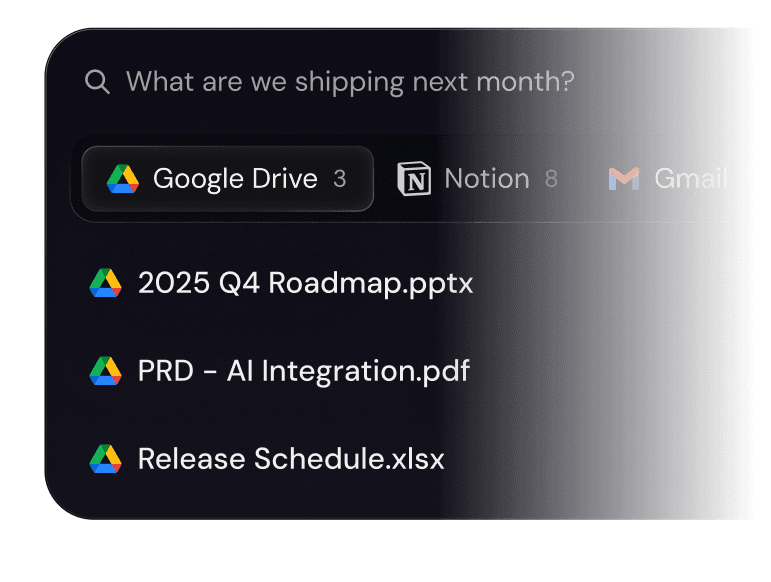
The output model: Notion-native execution versus toolchain automation
Notis is at its best when your “source of truth” is Notion, and you want your assistant to behave like a power-user who knows how to update databases, format pages cleanly, and keep links and context together. If your workflows end with “and make sure it’s organized in Notion,” Notis is aligned with that destination.
Dimension is better framed as a productivity layer across an engineering toolchain. It leans into workflows that bridge email, calendar, repos, deployments, and project tracking, where the deliverable is often a completed action across systems rather than a neatly filed page in a single workspace.
Pricing and operating posture
Notis pricing is straightforward to evaluate for an individual operator: you pick a tier and you get a monthly usage budget that maps to how often you delegate work. Dimension’s published plans look more “agent platform” in flavor, with credits and higher indexing limits that will make the most sense for users who want the coworker running across a large set of connected tools and heavier automations.
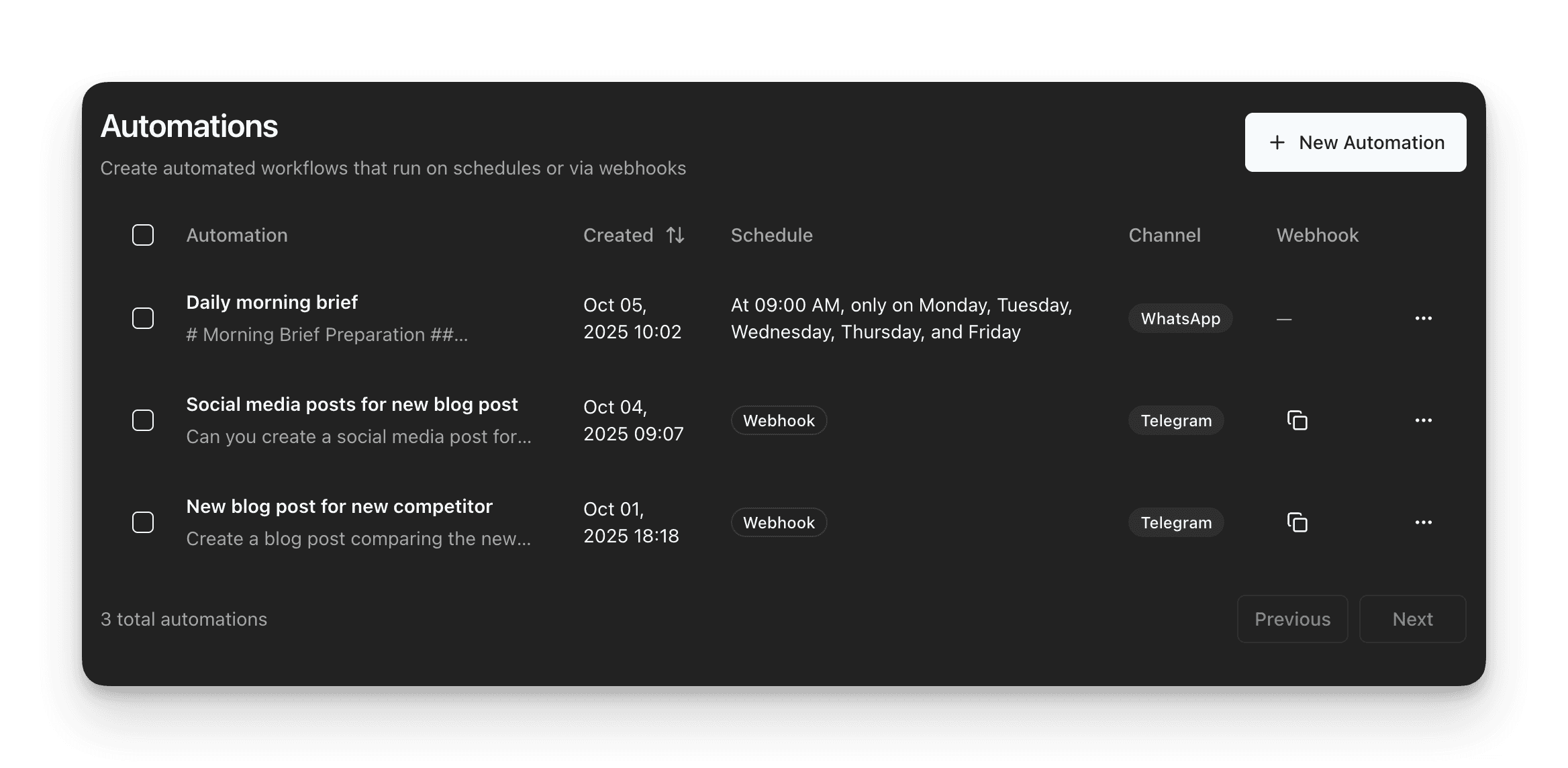
Which One Should You Choose?
Founders and exec operators: If your day is a stream of decisions and follow-ups and you want the lowest-friction way to turn voice into an organized operating system, Notis is usually the smoother fit. If you want a coworker that can proactively reshape your calendar, prep context, and automate multi-app coordination, Dimension may be compelling.
Consultants and client-facing roles: Notis tends to win when you need to capture insights between calls, turn them into clean client notes, and keep deliverables tracked in a Notion workspace you share with your team. Dimension can be attractive if your work lives more in email, calendar, and cross-company communication where proactive briefing is the main pain.
Engineers and technical teams: Dimension is the more native match when the workflow is tightly coupled to GitHub, Linear, deployments, and incident-style follow-up. Notis can still help if your team runs product docs, decisions, and planning inside Notion and you want a voice-first way to keep that system updated.
Content, marketing, and agencies: Notis is typically stronger when the workflow starts as a brain dump and ends as structured content plans, drafts, and follow-ups organized in Notion, with automations to push the work onward.
If your primary workflow is “voice-to-Notion, then ship the follow-up,” Notis is the more purpose-built tool: it reduces the capture friction to almost zero and makes Notion the default execution surface, which is exactly what most voice-driven workflows need.
Wrap-Up
Dimension and Notis are both trying to remove busywork, but they attack different bottlenecks: Dimension optimizes the automation of a connected workspace, while Notis optimizes capture and structured execution inside Notion from chat. If you want to stop losing ideas and action items the moment you leave your desk, start with Notis and measure how many “I’ll do that later” tasks disappear when one message can update everything.

Flo is the founder of Mind the Flo, an Agentic Studio specialized into messaging and voice agents.