Content
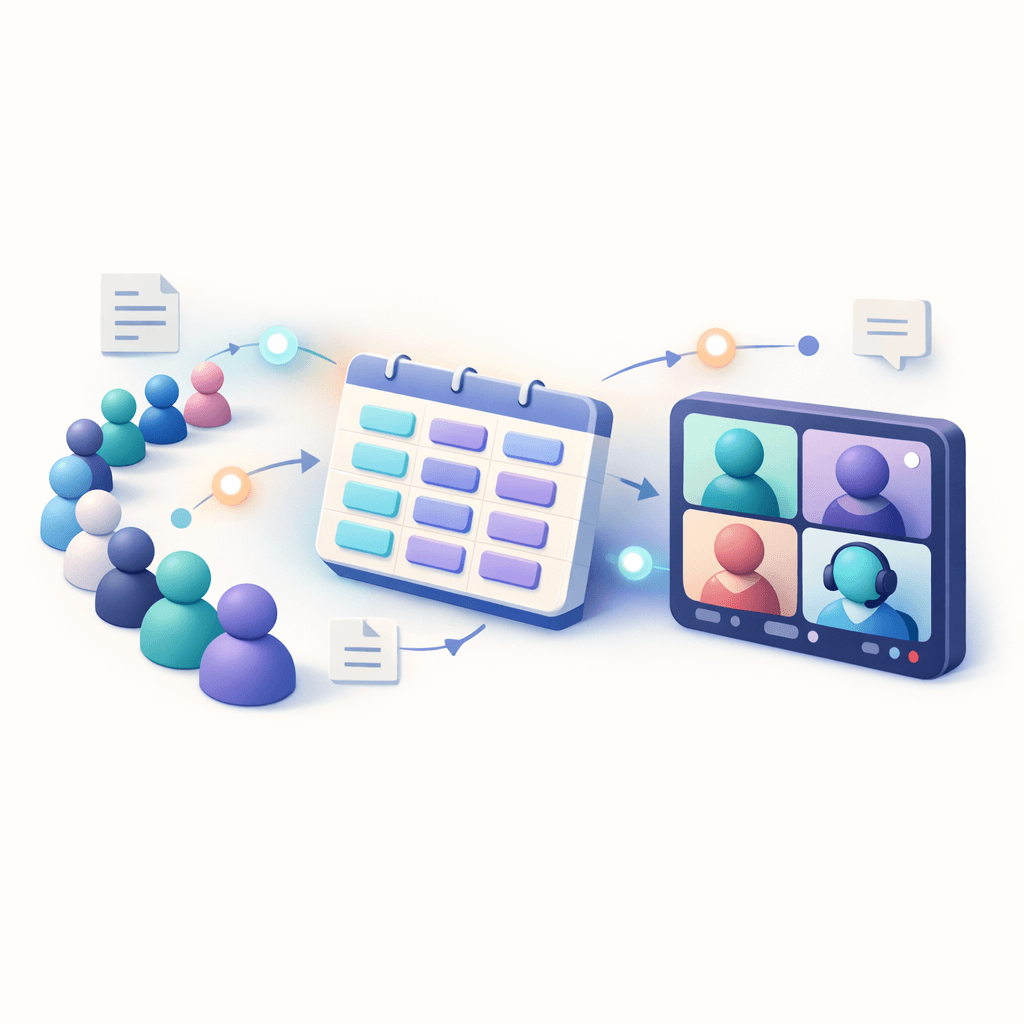
From 1:1 onboarding calls to office hours: how we scaled activation without losing the human touch
In the early days of Notis, I did what every obsessed founder does: I jumped on calls with anyone who would give me 30 minutes. It was the fastest way to see where people got stuck, what “aha” actually meant in real life, and whether the product was helping or just sounding clever.
At some point, that approach stops being a growth hack and becomes a bottleneck. The irony is brutal: the better your onboarding is, the more people want it, and the less time you have to give it.
The moment 1:1 onboarding turns from superpower into ceiling
There’s a phase where one-on-one calls are the product. Not the software itself, but the experience of being guided to value by a real human who cares. For an AI productivity tool, that guidance matters even more because the first win is often psychological: people need to trust that the system will fit their workflow before they commit their brain to it.
When I realized we had effectively built a waiting list for onboarding calls, it was a signal. Not a “we’re doomed” signal. A “we have to evolve the format” signal. I still wanted people to feel the human, but I couldn’t keep scaling by cloning myself.
Office hours and livestreams: one-to-many without going cold
So I started doing office hours and livestream-style onboarding sessions. Same energy, same openness, different geometry. Instead of repeating the same setup steps twenty times, I could show a flow once, answer questions in real time, and let people learn from each other’s questions.
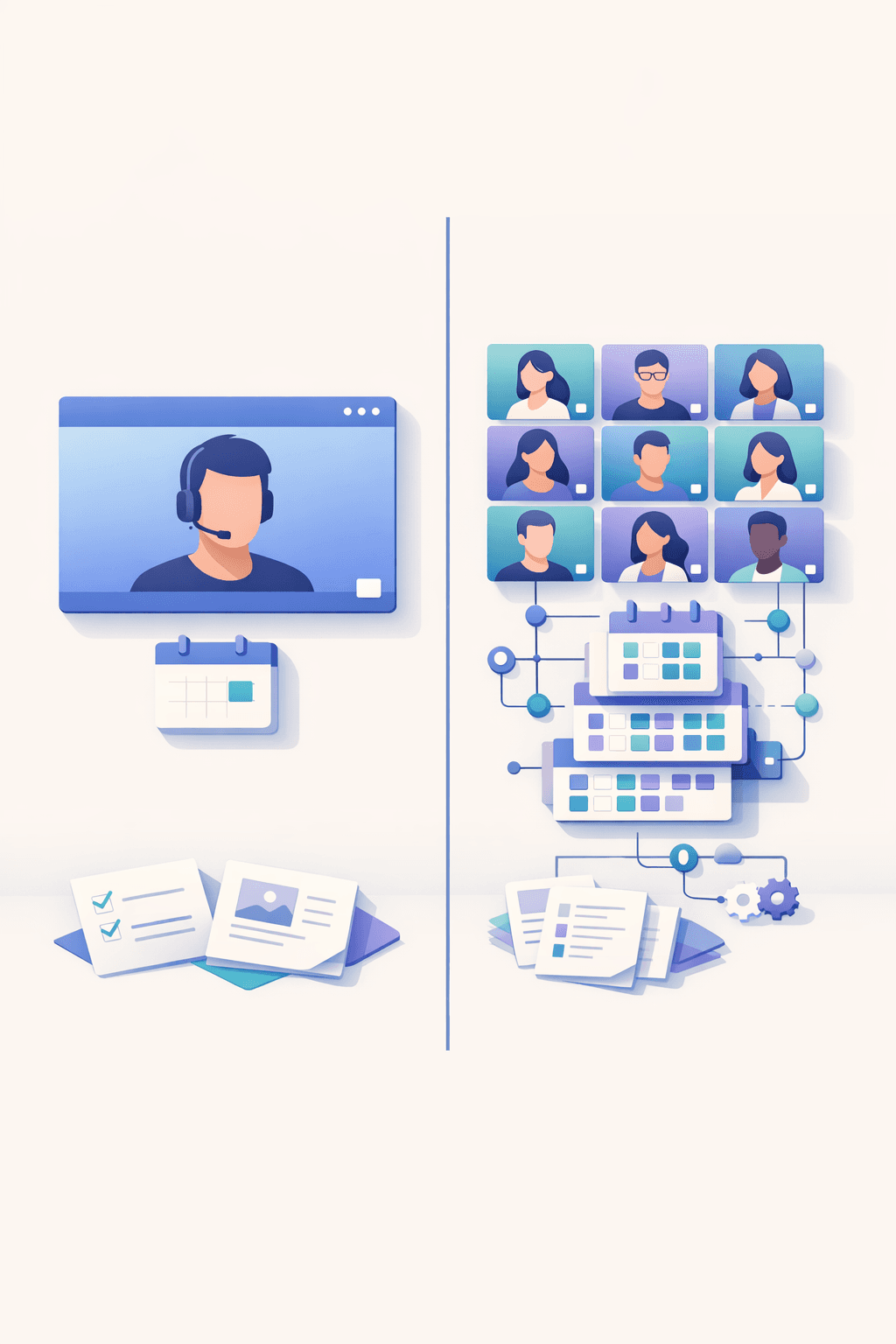
The first sessions were… quiet. Early attendance was small, which is exactly why most founders stop. But the value of office hours compounds in a way that 1:1 calls don’t. Each question answered live becomes a reusable artifact: a clip, a short doc, a reply template, an onboarding step, a better default.
Broadcasting across channels also matters. When you stream or repurpose the same office hour across places like Twitter/X and LinkedIn, you’re not just onboarding users. You’re also demonstrating what the product does, in context, with real problems and real constraints. It’s marketing, but it doesn’t feel like marketing because it’s genuinely useful.
The hidden growth loop: great onboarding creates public proof
Here’s the part I didn’t fully appreciate at the start: onboarding is not only about activation. It’s also about narrative.
When you do high-touch onboarding at scale, people talk. They mention you in Slack groups. They drop your name in a newsletter. They recommend you in a Reddit thread. They make a YouTube video because they finally found a tool that sticks.
I’ve seen this firsthand. After doing a ridiculous number of onboarding calls, we started noticing more and more organic recommendations floating around. It’s impossible to attribute it to a single thing with scientific purity, but it’s hard to ignore the pattern: users who feel supported early become the most enthusiastic advocates later.

Automate the follow-up, not the care
Live sessions scale attention, but they don’t solve everything. Some people will never show up, some will watch a recording a week later, and some will try once, get distracted, and forget you exist.
That’s where lifecycle emails stopped being “marketing” in my head and started being onboarding infrastructure.
We built the kind of email sequence that doesn’t try to be clever. It tries to be timely. The goal isn’t to send more emails; it’s to reduce the distance between sign-up and first meaningful output.
In practice, that means the emails feel like a continuation of what I would say on a call. They nudge you toward one small win, then another. They answer the questions people always ask. They invite you to office hours at the moment when you’re likely to need them.
The third email problem (and why it’s always the third)
One of the most underrated pieces of onboarding is the “third email.” The first one is obvious: welcome, setup, reassurance. The second is still easy: show a quick use case, get a small win. The third is where most onboarding flows die because you can’t just repeat yourself, and you can’t dump a knowledge base on someone’s face.
We treated that third email like a product surface. The way we approached it was to take real content automation lessons from what users told us, draft the email around one concrete outcome, then actually test it in the flow and iterate based on replies and behavior.
That sounds basic, but it’s surprisingly rare. People ship onboarding emails like static copy. For an AI product, onboarding is a living system: the product evolves, the user base shifts, and the email sequence has to keep up.
What I measure when I’m not lying to myself
If you want this to be more than vibes, you need a few metrics that keep you honest.
I care about activation, but not as a vanity percentage. I care about whether people reach a clear first success milestone. I care about time-to-value, because every extra hour between signup and “wow” is an extra opportunity for life to get in the way. And I care about retention, because onboarding that only creates a short-term dopamine hit is not onboarding; it’s a demo.
Word-of-mouth is the lagging indicator I watch with a grin. More mentions, more unsolicited recommendations, more “hey I saw you in a newsletter.” That’s the compounding effect of not abandoning users right after they give you trust.
The simple playbook I’d repeat
If I had to compress the whole thing into one principle, it would be this: keep the human warmth, change the delivery mechanism.
One-to-one calls are how you learn the language of your users. Office hours and livestreams are how you scale that learning without going silent. Email automation is how you make sure the right nudge arrives even when you’re asleep. And when those three work together, onboarding stops being a cost center and becomes a growth engine.
Not because you forced a referral program, but because you helped someone win quickly enough that they couldn’t shut up about it.

Flo is the founder of Mind the Flo, an Agentic Studio specialized into messaging and voice agents.