Content

ChatGPT Changed My Life. The Context Window Is Still Killing Real Work.
ChatGPT changed my life. I’m not exaggerating. The day it launched, it felt like the day the internet got a brain.
But after the honeymoon, I ran into a problem that’s so obvious once you see it that you can’t unsee it.
The fatal flaw nobody talks about
The issue isn’t that the model is dumb. It’s not that it can’t write, code, or brainstorm.
It’s that everything it “knows” about you has to fit inside a single conversation.
That’s the context window.
The moment you try to do real work, across days and weeks, it starts to crack. You hit the limit, the thread gets messy, and suddenly the AI that sounded like a senior operator yesterday is asking you basic questions today.
It’s like hiring an assistant with short-term memory loss
If you’ve ever worked with a great assistant, you know the magic isn’t in their raw intelligence. It’s in continuity. They remember what you decided last week. They know what “the usual” looks like. They can anticipate what you want before you spell it out.
ChatGPT, by default, can’t do that.
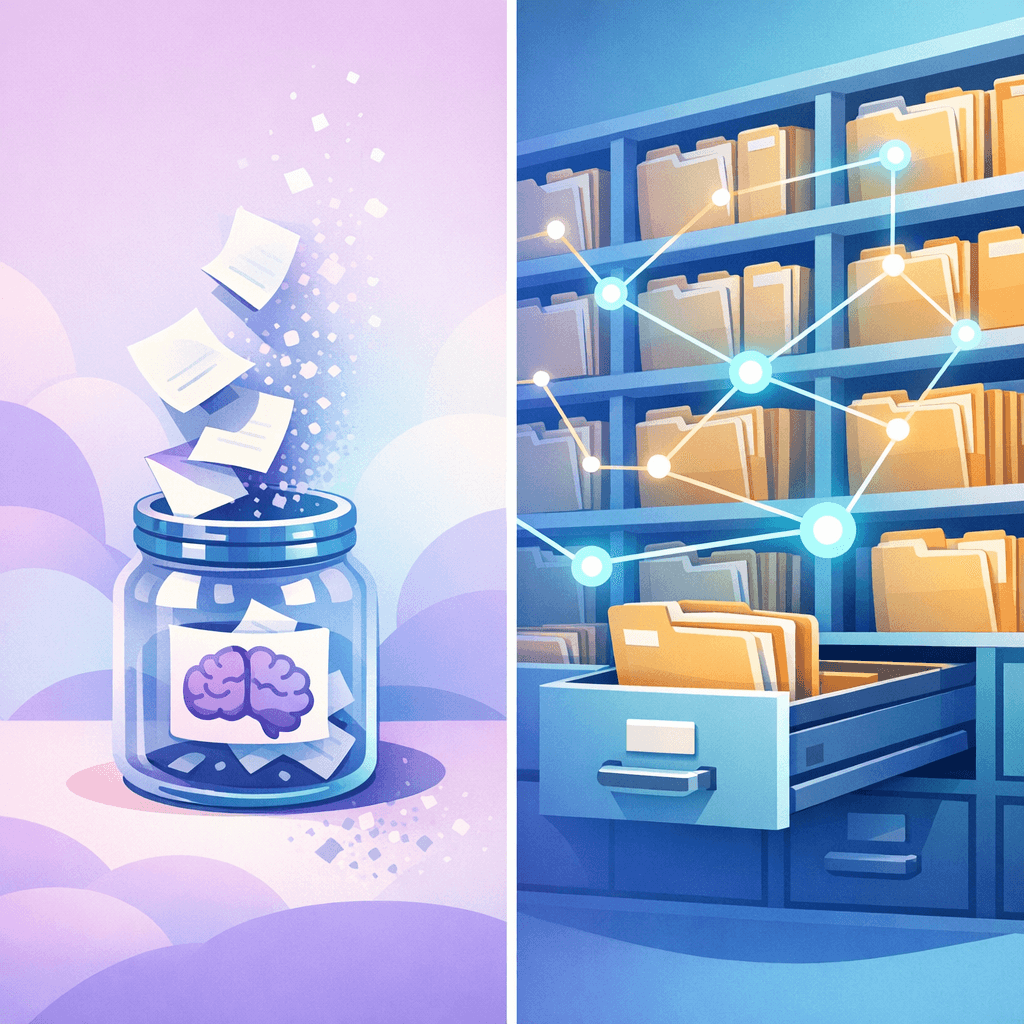
Every time you start a new chat, you’re basically rehiring the same person, except they have amnesia and you have to do the onboarding again.
What this looks like in real life
Let’s take a simple example: writing an email to a client.
To get a genuinely good draft, you end up pasting the previous email thread, explaining the relationship, restating the objective, dropping examples of other proposals you’ve sent, and then adding the part nobody mentions: your own style preferences.
You’re trying to make the model sound like you, not like “generic helpful internet copywriter.”
And here’s the punchline: by the time you’ve provided enough context for the email to be right, you could have written the email yourself.
So the AI feels incredible for one-off tasks, but it quietly becomes a tax on anything ongoing.
Why one-off brilliance breaks down on real projects
Projects are not prompts. They’re timelines.
A project is a sequence of decisions, drafts, constraints, preferences, exceptions, and “we tried that already.” The value is not just in producing an answer, it’s in carrying the whole thread of reality forward.
When your AI can’t remember what you discussed yesterday, it can’t compound. It can’t learn you. It can’t connect dots across your work.
You end up being the memory layer. You become the one doing the state management. And state management is the unsexy part of getting things done.
The real power of AI is not conversation
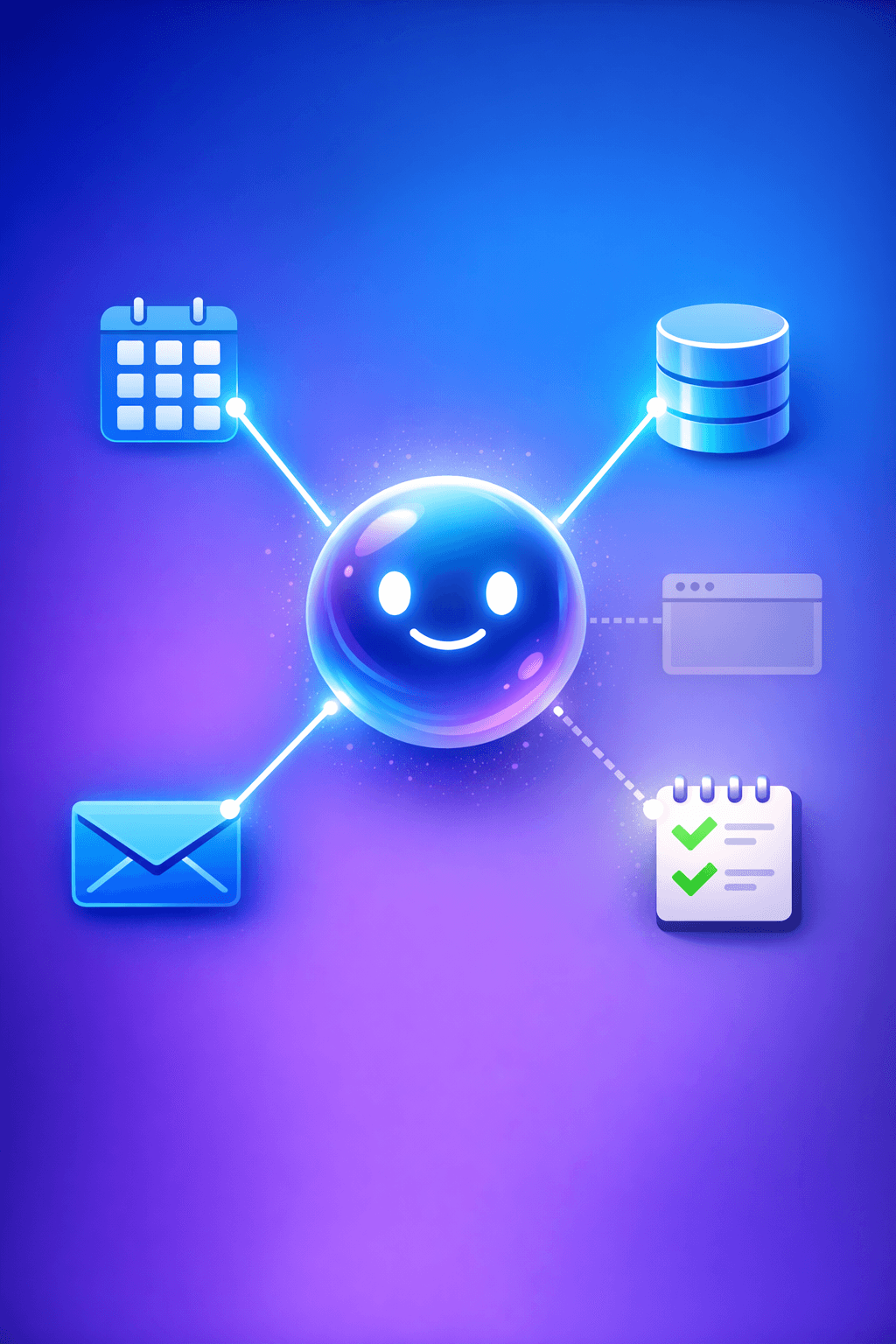
The real power of AI is context.
Not “context” as in a long prompt. Context as in: your business, your projects, your constraints, your clients, your templates, your tone, your priorities, and the history of what happened.
When an AI has that, you stop asking it to be smart in a vacuum.
You start delegating.
That’s the shift from “AI gives me advice” to “AI does the work the way I would do it.”
Why we built Notis with long-term memory
Notis is my attempt at fixing the part nobody wants to admit is broken.
If your assistant forgets everything, you don’t have an assistant. You have a chat box.
So we built Notis around long-term memory that actually sticks to your work. It remembers conversations, projects, and preferences. It gets better the more you use it, because it isn’t resetting to zero every time you ask for something.
If you want a client email, you shouldn’t have to paste your entire relationship history to get a draft that doesn’t sound like it was written by a stranger.
You should be able to say, “Write the follow-up,” and have the system already know what “the follow-up” means in your world.
Advice is cheap. Execution needs access.
There’s a second limitation that’s tied to the first: most AIs are brilliant in a chat, but useless where the work actually lives.
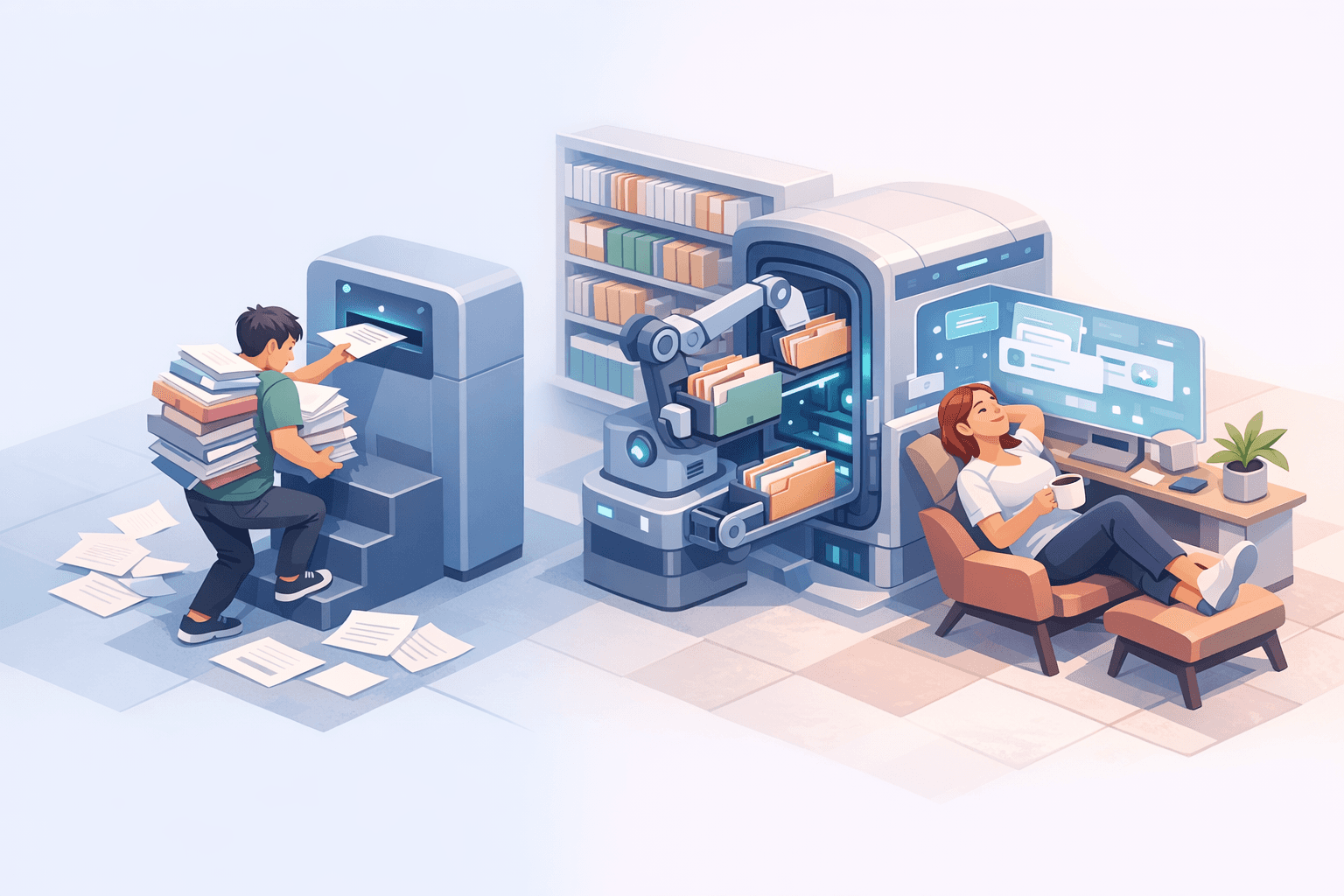
They don’t have access to your tools, your data, your docs, your tasks, your CRM, your actual system of record. So even when the answer is good, you still have to copy, paste, organize, and execute.
That’s why the future isn’t “one perfect chat app.”
It’s AI that can hold context over time, and operate inside your workflows instead of around them.
If you want to feel the difference
Try a quick experiment.
Ask ChatGPT to write something for an ongoing project, then notice how much time you spend rebuilding the world in the prompt.
Then imagine the alternative: you talk once, you work normally, and the assistant simply remembers.
That’s the gap we’re obsessed with closing at Notis.
If you’ve felt that friction, you’re not crazy. You just hit the ceiling of the context window.

Flo is the founder of Mind the Flo, an Agentic Studio specialized into messaging and voice agents.