Content
AI Productivity: Set Realistic Expectations (Avoid These Costly Mistakes)
Most founders don’t have an AI problem. They have an expectations problem.
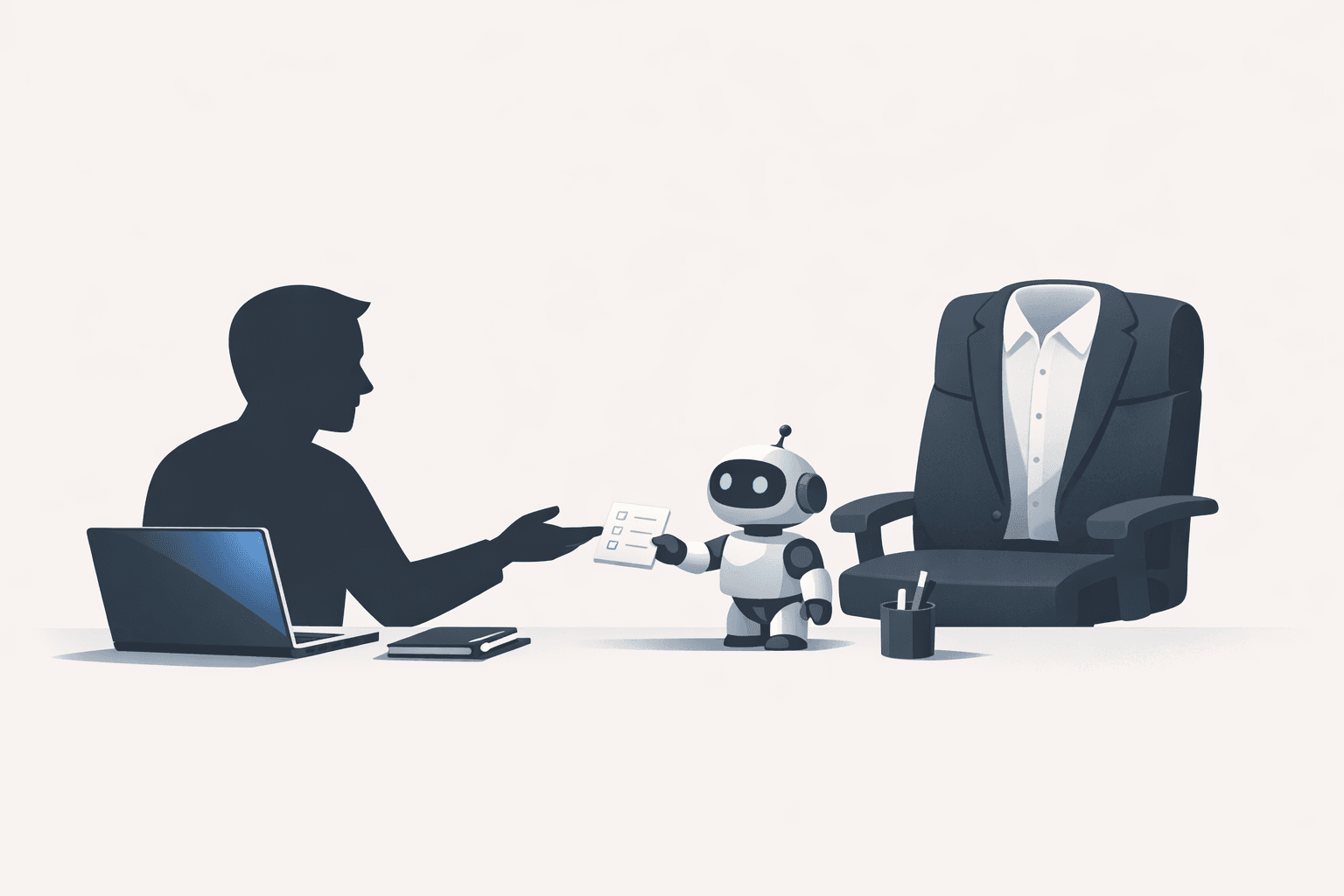
I see the same cycle every week: someone buys three new “AI productivity” subscriptions, tries them for two days, then concludes AI is overrated. The truth is more annoying and more useful. AI is genuinely powerful in 2025, but only if you treat it like what it is: a fast junior assistant that needs context, guardrails, and a human who stays accountable.
The expectation trap that burns founders
Startup marketing has trained us to believe productivity tools should feel like magic. Push a button, get strategy. Upload a doc, get decisions. Connect a few apps, replace a hire.
That’s not how today’s models behave in the real world.
They’re incredible at turning messy inputs into clean drafts. They’re great at rephrasing, summarizing, brainstorming, and producing first passes that would have taken you an hour. They’re also perfectly capable of sounding confident while being wrong. If you’ve ever watched an AI produce a “fact” that doesn’t exist, you’ve met the part nobody puts on the landing page.
The cost isn’t just the subscription. The real cost is the trust you lose when you bet a workflow on outputs you didn’t verify.
The mental model that actually works: AI as an intern
Here’s the simplest way I’ve found to get value without the heartbreak: imagine AI as an intern on day three.
Your intern is fast. Your intern is eager. Your intern can take a solid brief and produce something surprisingly good.
Your intern also needs a job description. They need examples of what “good” looks like. They need constraints. They need review. And if you let them send something critical without supervision, that’s on you, not on them.
This is the mental shift that unlocks productivity. The moment you stop expecting “senior employee behavior,” you start designing tasks the model can reliably execute.
Human-in-the-loop is not a compromise, it’s the system
Most successful founders I know aren’t trying to remove humans from the loop. They’re trying to remove humans from the boring parts.
You keep the human where judgment matters: deciding what to do, what not to do, and what the final output represents. You let AI handle the repetitive shaping work: turning rough thoughts into structured drafts, turning long transcripts into usable notes, turning scattered context into a clear outline.

When you design a workflow like this, AI becomes predictable.
A good “human-in-the-loop” flow usually looks like: you provide context and constraints, AI produces a first version, you verify and correct, then AI refines based on your feedback, and only then does anything ship. It sounds slower on paper. In practice, it’s how you get speed without gambling on accuracy.
Why most teams don’t get ROI: tool pile-ups and subscription guilt
The other trap is the AI tool shopping spree.
It starts innocently. You try a meeting note taker. Then a copywriter. Then a research tool. Then a “fully autonomous agent.” Suddenly you’re paying for ten products that overlap, none of them are fully integrated into your daily system, and you spend more time deciding where to do the work than doing the work.

AI doesn’t fix a broken operating system. If anything, it amplifies it. If your tasks, docs, and decisions are scattered, AI will happily generate output that never lands anywhere meaningful.
The fix is boring and effective: pick a small number of tools that fit your existing workflow, then commit long enough to build muscle memory. Consolidation beats novelty.
What AI can do for your business right now
If you want a realistic expectation, aim for compounding minutes, not instant miracles.
AI can take you from blank page to first draft. It can turn calls into usable follow-ups. It can help you rewrite and tighten your thinking. It can draft outreach variations, summarize customer feedback, and help your team move faster on the work that already exists.
It usually cannot be trusted to make final decisions, invent correct facts, or run a high-stakes process without oversight. It can absolutely assist with those things, but it needs a human to own the outcome.
The only playbook that survives the hype cycle
If you want AI productivity that actually sticks, build it like you’d build a team process.
Start with one workflow that hurts, like writing follow-ups, turning meetings into tasks, or producing weekly updates. Define what “good” looks like. Give AI a clear brief and examples. Review outputs aggressively at the start. Then expand the scope only once the system is stable.
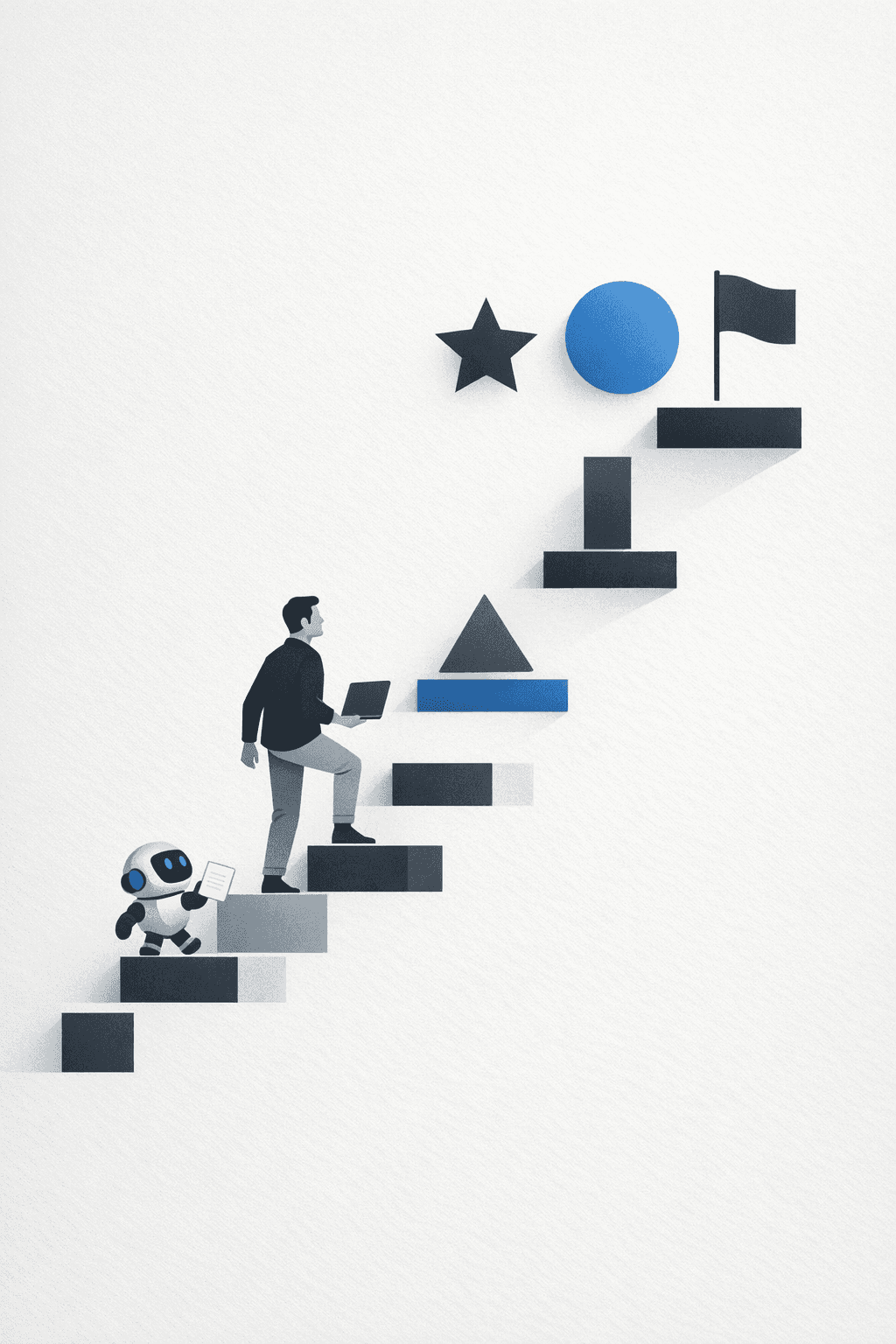
That’s the whole secret. You don’t need more AI tools. You need a workflow where AI earns trust by doing the boring work consistently, and a human stays responsible for what ships.
If you adopt that mindset, AI stops being disappointing. It becomes what it should have been all along: leverage.

Flo is the founder of Mind the Flo, an Agentic Studio specialized into messaging and voice agents.