Content
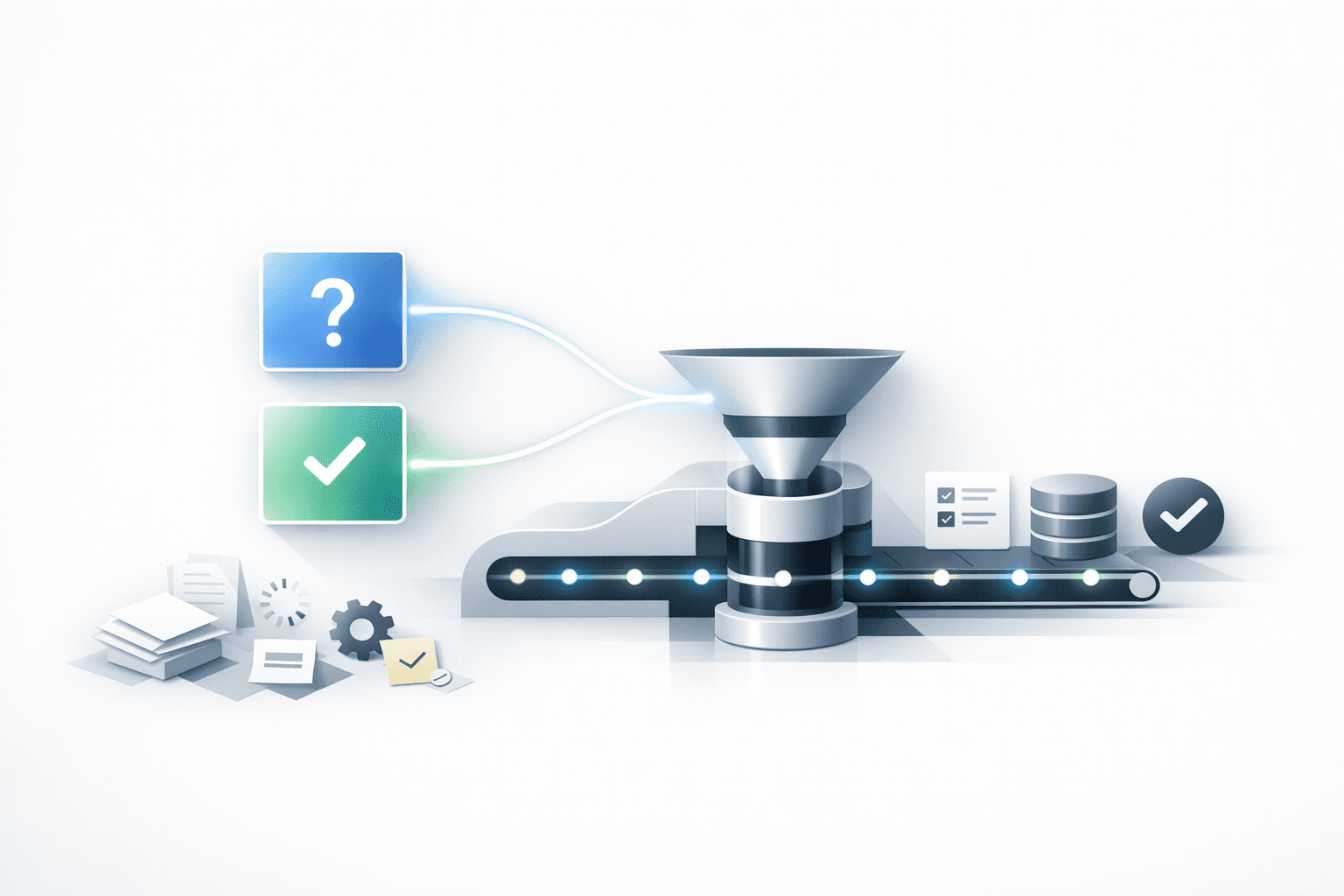
You’re Not an AI Skeptic. You’re AI Stuck. Here’s How to Get Unstuck.
Most teams are not blocked by a lack of ambition around AI. They are blocked by fog. They have too many tools, too many ideas, too many demos, and no clear starting point.
I see this all the time. People say they want to “use AI more,” but what they really mean is that they want clarity. They do not need a giant transformation roadmap on day one. They need a way to identify the first process that is actually worth changing.
The simplest method I know is also the one that works fastest. Ask two questions. That is usually enough to get a team unstuck and reveal what should be automated first.
The two questions
When I run these conversations with a team, I start with a question that sounds almost too simple: What are the things you wish you could do more of?
People answer that one fast. They want more time with customers. More follow-up. More thoughtful sales conversations. More shipping. More research. More time spent on work that actually moves the company forward.
Then I ask the second question: What are the things you are doing today that you wish you did less of?
That answer usually comes even faster. Status updates. Repetitive admin. Manual copy-pasting. Chasing information across tools. Rewriting the same emails. Preparing the same documents. Logging things that nobody enjoys logging.
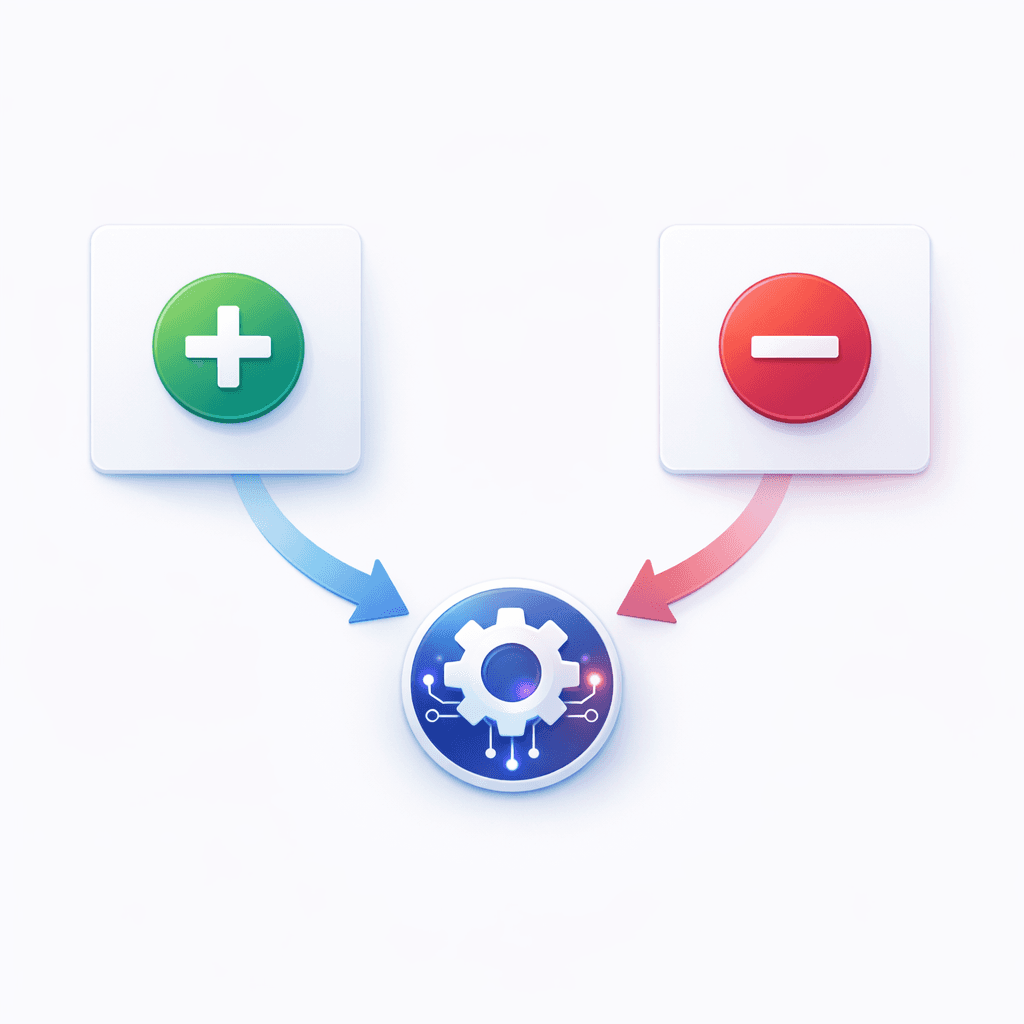
That gap is where the opportunity lives. The first question shows you where value is created. The second shows you where energy is leaking. AI becomes useful the moment you connect the two.
How to run the interview in 15 minutes
Do not overcomplicate this. You are not trying to map the entire company. You are trying to get signal fast. Sit down with one person or one small team and ask the two questions exactly as they are. Then stay quiet long enough for the real answers to appear.
What matters is not the theoretical answer. What matters is the answer they give about this week, this month, and this job. You want friction that is real, recurring, and expensive in terms of time, attention, or morale.
If someone tells you they wish they could spend more time closing deals, but they lose hours every week writing follow-up notes, updating the CRM, and summarizing calls, that is not a brainstorming prompt. That is an automation brief hiding in plain sight.
The mistake most teams make is they start from the technology. They ask what the model can do, what the agent can do, what the workflow builder can do. I think that is backwards. Start from the human bottleneck. Start from the work that feels annoying, repetitive, and strangely permanent. Then move to the tooling.
If you do this well, the conversation gets very concrete very quickly. You stop talking about “AI strategy” and start talking about one painful loop that happens fifty times per week.

Turning answers into automations
Once you have the answers, the next step is to translate them into a simple before-and-after. Before: a person manually collects information, rewrites it, moves it, sends it, and follows up. After: the information is captured once, enriched automatically, routed to the right place, and turned into an action.
Let’s say a founder says they want more time for customer conversations and less time writing post-meeting summaries. That points to a workflow where meetings are recorded, summarized, turned into action items, pushed into the task system, and shared with the team automatically.
If a sales team says they want more time selling and less time updating systems, that points to a workflow where call notes are structured, CRM fields are updated, follow-up emails are drafted, and next steps are created without someone touching five different tools.
If an operations team says they want more time solving problems and less time chasing approvals, that points to a workflow where requests are classified, the right stakeholders are notified, context is gathered automatically, and the next action is obvious without another Slack thread.
This is the part people often miss: the best automation ideas do not come from asking, “What can AI do?” They come from asking, “What repeated drag is stopping good people from doing the work they are actually here to do?”
That is also why I am skeptical of generic AI adoption programs. They sound ambitious, but they often produce a lot of enthusiasm and very little operational change. A good automation should remove recurring friction from a real system. If it does not change how the week feels, it is probably not the right first project.

What I’d do this week
If I were starting from scratch with a team today, I would not launch a big AI initiative. I would run three short interviews. I would ask the same two questions every time. Then I would look for the overlap.
The pattern you want is simple: a high-value activity people want more of, blocked by a low-value activity they are tired of repeating. That is your first automation candidate.
Then I would build one workflow, not ten. I would make sure it saves time immediately, touches a process that happens often, and is visible enough that the team actually feels the improvement. Momentum matters. Once people experience one useful automation, the next conversation gets easier.
That is how you get AI unstuck inside a business. Not with abstract excitement. Not with pressure to use the latest model everywhere. Just with two questions, one painful process, and one automation that gives people their time back.

Flo is the founder of Mind the Flo, an Agentic Studio specialized into messaging and voice agents.