Content
Why We Rebuilt Notis Beyond Notion
A lot of AI products still behave like clever chat windows sitting on top of loosely organized files. That works for quick answers, but it breaks the moment your work needs durable structure, reusable context, or software that actually fits your business. That tension came up clearly in a recent demo I gave to Javier Soto while walking through Notis v3.
The big shift in Notis v3 is simple: we moved away from using Notion as the core layer. Notion helped us get very far very quickly, and I still think it is one of the best tools ever built for flexible knowledge work. But once you want an AI system to understand not just notes, but schemas, workflows, apps, permissions, and operational context, you need a stronger foundation than a generic workspace can offer.
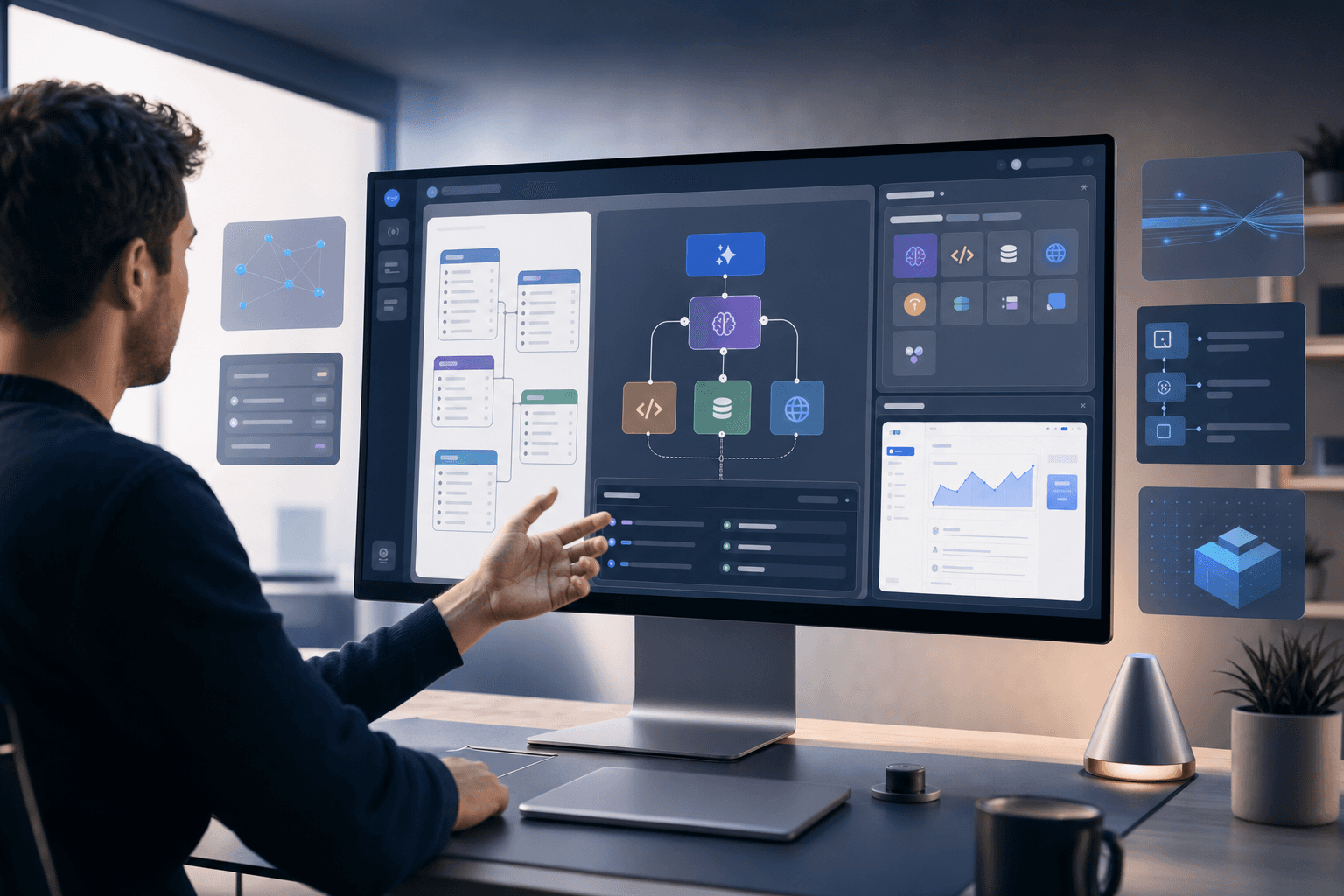
That is exactly why the desktop Manager became such an important part of the product. Javier immediately picked up on this. Seeing databases and schemas directly is not just a nice UX improvement. It changes how people trust the system. When you can inspect the structure underneath the AI, you stop feeling like the product is magic and start feeling like it is reliable. You can see what exists, how it is organized, and what the agent is actually working with.
Why structure matters more than prompts
One part of the conversation that stayed with me was Javier’s philosophy around AI: own your data, your structure, and your context so they remain portable across models. I strongly agree with that. Models will keep changing. Interfaces will keep changing. But your company context, your operating system, and your internal language are strategic assets. If those live only inside one chat thread or one vendor’s hidden layer, you are building on sand.
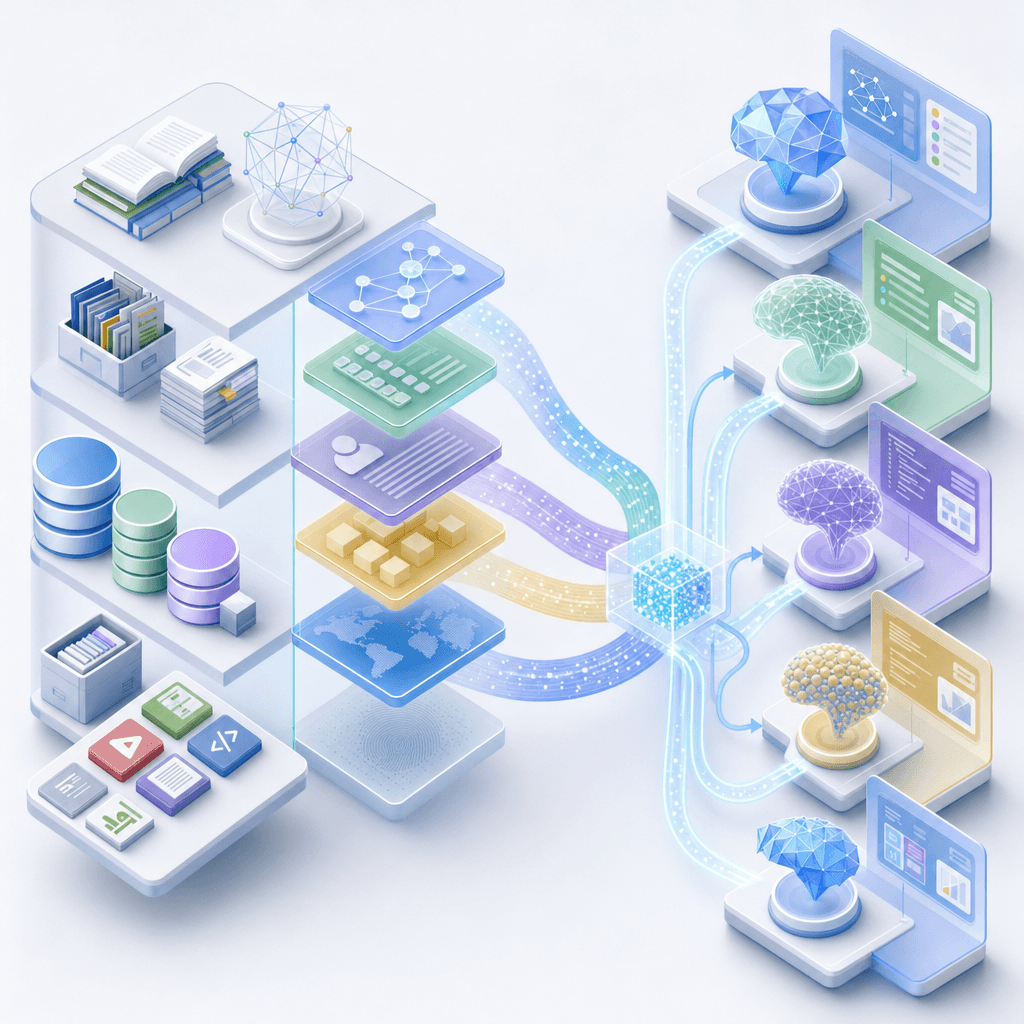
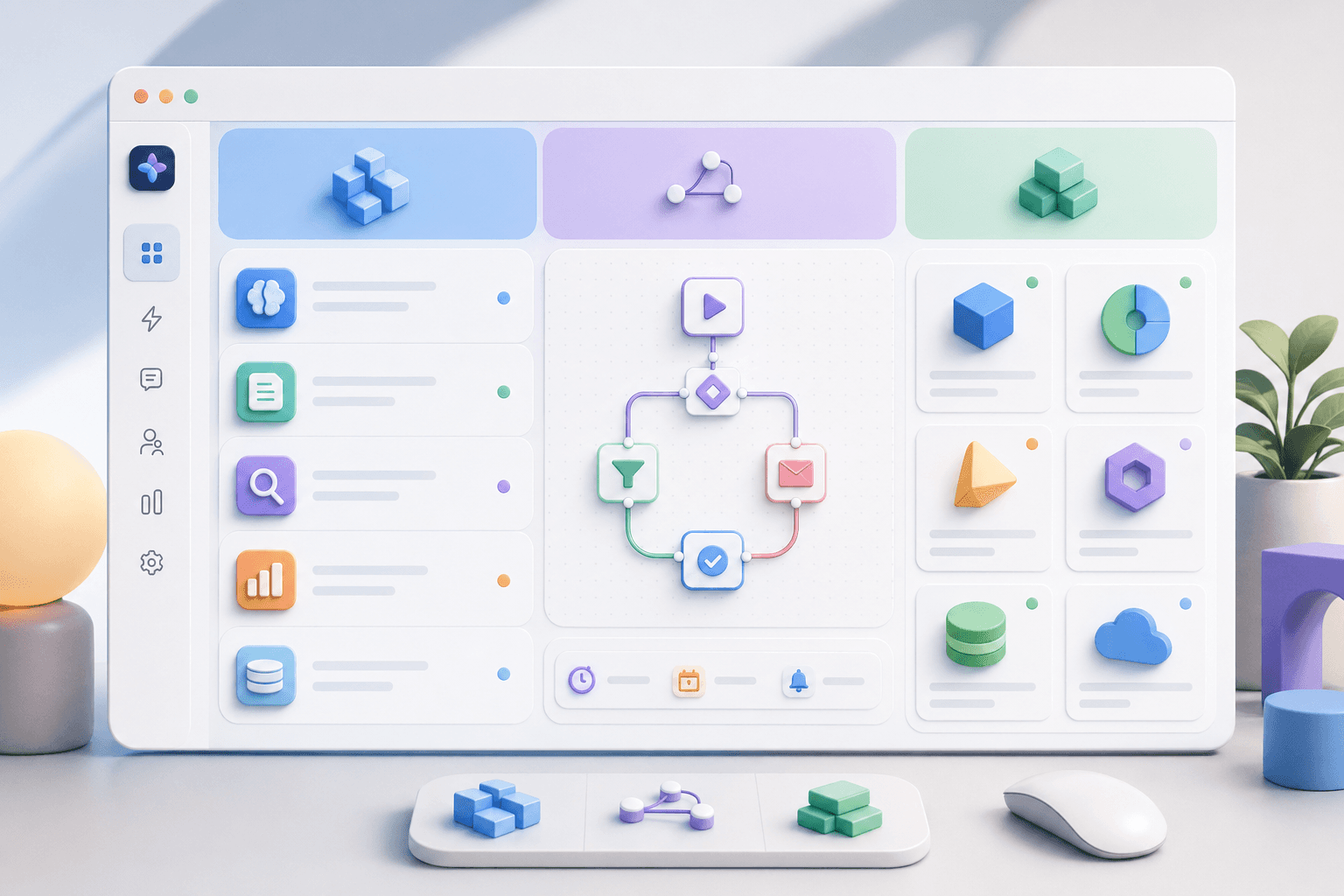
This is also why we separate skills, automations, and apps inside Notis. Skills define how something should be done. Automations define when something should happen. Apps let you package structure, interfaces, and workflows into something much closer to custom software than prompt engineering. When these pieces are cleanly separated, you get a system that is easier to understand, easier to maintain, and much easier to adapt as your company evolves.
The desktop Manager is not a wrapper
There is a common temptation in AI software to treat desktop as just another surface for chat. I think that misses the opportunity. The Manager in Notis is designed to be the control room. It is where you navigate contexts, inspect schemas, understand the shape of your data, and build the operational layer that agents rely on. That visibility matters because serious AI work is not only about generating text. It is about orchestrating systems.
Javier validated this point immediately. For him, the desktop experience felt essential, not optional. That was encouraging because it confirms something we have been betting on internally: once AI becomes part of real work, users need a place to manage complexity, not just ask for outputs.
Two product requests that matter
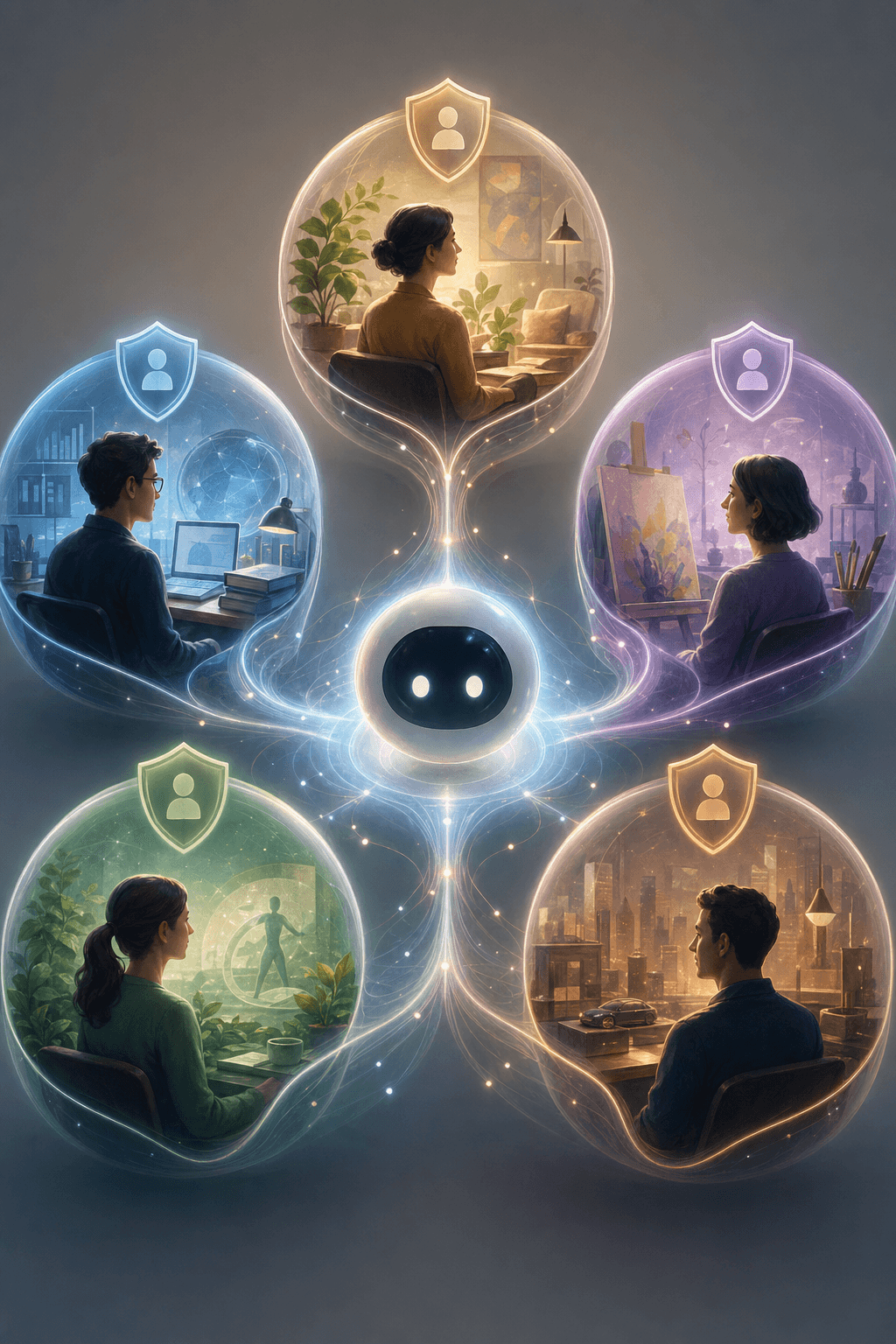
The strongest feedback in the conversation centered on two things. First, shareability and privacy across contexts. Right now Notis is best suited to solo use or single-team setups. That is enough for many early workflows, but it is not the end state. As AI systems become more embedded in company operations, you need granular control over who can access which context, which automations, and which operational layers. This is already on our roadmap because it is foundational, not cosmetic.
Second, customizable agent personalities by domain. This is a subtle but important idea. The way an agent should reason inside product strategy is not the same as how it should behave in customer support, operations, or content. In practice, teams want more than a universal assistant. They want specialists with different behavior, memory boundaries, and working styles depending on the domain. I think that is exactly where the industry is going.
What builders should take away
If you are building with AI today, my practical advice is to think less about the smartest prompt and more about the operating system behind it. Can you inspect the structure? Can you move context across models? Can you separate reusable know-how from triggers and interfaces? Can you eventually package that into an internal app instead of another brittle workflow?
That is the direction we are pushing with Notis. The goal is not to make chat slightly better. The goal is to let anyone build software and workflows on top of their own context, with AI that understands not only what to say, but how the system itself is organized.
Javier’s feedback was valuable because it validated the core product direction while also sharpening the next priorities. Desktop matters. Schema visibility matters. Structured context matters. And if we want AI to become truly operational, privacy controls and domain-specific agents will matter even more.

Flo is the founder of Mind the Flo, an Agentic Studio specialized into messaging and voice agents.