Content

Why "Proactive" AI is actually super annoying

Everyone says they want proactive AI until the thing starts acting like the most annoying coworker you’ve ever had.
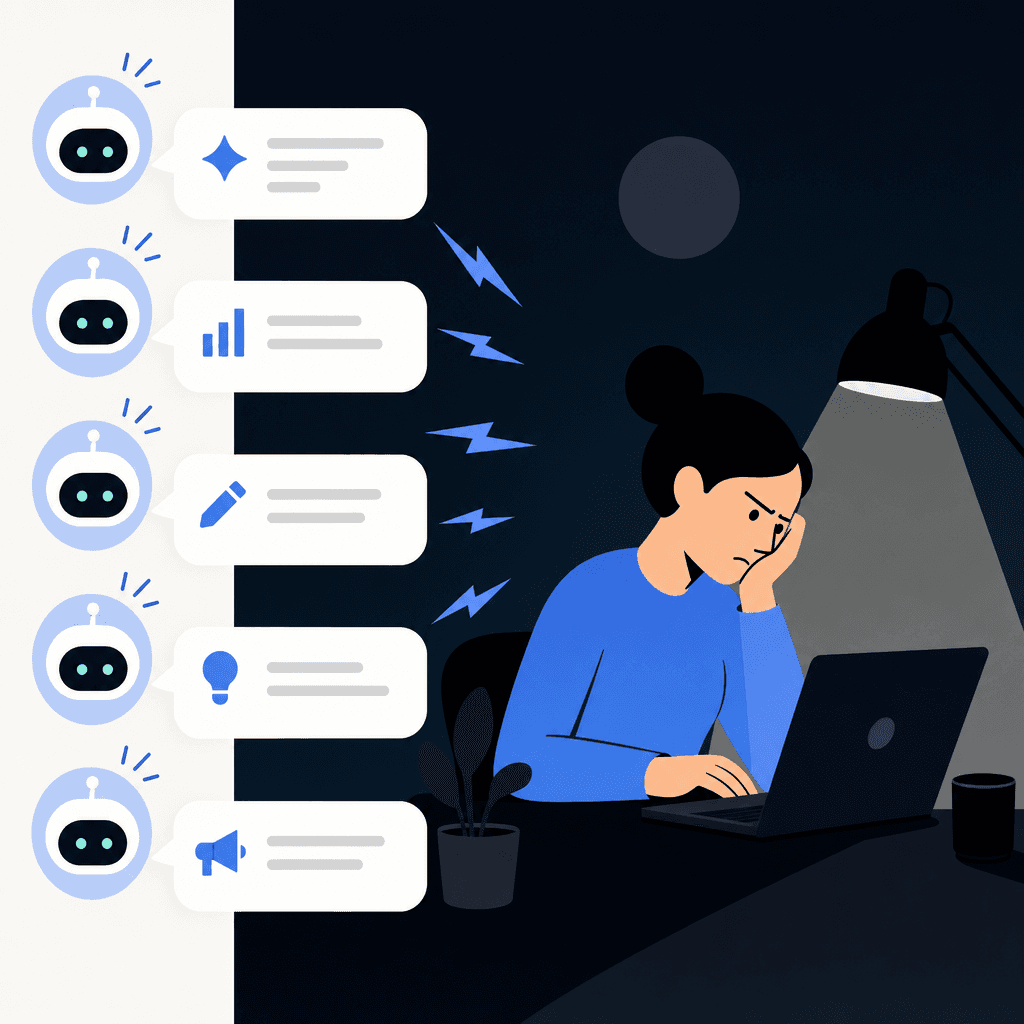
You ask it to do one job. It decides to suggest three more. Then it nudges you about something adjacent. Then it tries to optimize a workflow you didn’t ask to optimize. Five minutes later, you’re not being helped. You’re being managed by a hallucinating intern with infinite confidence.
That’s the current state of “proactive AI” for most products. Not intelligence with good timing. Just interruption with better branding.
The problem is not initiative. It’s fake initiative.
A lot of AI products are sold with the same dream: the assistant that doesn’t just wait for instructions, but figures things out and moves on its own. In theory, that sounds incredible. In practice, what most tools do is much dumber. They don’t understand when to act. They just act more often.
And that’s a huge difference.
Real proactivity means context, judgment, restraint, and timing. It means the system can tell the difference between a useful intervention and a pointless interruption. We are nowhere near that being reliable enough across daily work.

This is why stuffing “be proactive” into a master prompt is such a bad hack. The model has no durable understanding of when initiative is welcome. So it follows the instruction the only way it can: by over-applying it.
Tell an agent, “suggest a better way every time,” and it will absolutely try. Every single time. It won’t know that sometimes the better experience is shutting up and finishing the task. It won’t know that users don’t want to renegotiate the workflow in the middle of execution. It won’t know that unsolicited ideas become noise very quickly.
Prompting your way into proactivity does not work
This is the part that gets missed in a lot of demos. Prompting can shape tone. It can shape output structure. It can sometimes shape decision rules. But it does not magically create product judgment.
If your AI assistant feels proactive only because you told it to “always suggest” or “always think ahead,” what you’ve really built is a machine that bothers people consistently. That’s not initiative. That’s spam with a reasoning model attached.
The hard thing is not generating more actions. Models are very good at generating more actions. The hard thing is deciding when not to act.
Automation is not the same thing as proactivity
Automation is a useful comparison here, because a lot of startups quietly relabel automation as proactivity.
If a system sends me a recap every Friday, that’s not proactive in any meaningful sense. It’s scheduled. If it creates a task when a form is submitted, that’s not initiative. That’s a rule. Useful? Absolutely. But let’s not pretend a cron job has suddenly become an autonomous teammate.
This matters because expectations get warped. People hear “proactive AI” and imagine an assistant that understands priorities, urgency, tradeoffs, and their current mental load. What they often get is a slightly more dynamic if-this-then-that.
Again, that can still be valuable. I love automation. We use it all the time. But automation creates the feeling of initiative without solving the core intelligence problem underneath.
Why this is especially dangerous in productivity tools
Productivity software already competes for your attention. Calendar alerts, Slack pings, inboxes, task apps, dashboards, unread badges—most knowledge workers are drowning in input before AI even shows up.
So if your grand AI strategy is to add yet another stream of interruptions, you are not building a productivity tool. You are adding background radiation.
The bar for “proactive” in a productivity product should be insanely high. The action has to be both useful and well-timed. It should remove cognitive load, not create a fresh decision. It should help the user move, not ask the user to supervise the assistant’s eagerness.
What real proactivity probably requires
I think real proactivity will come, but not from a single prompt trick and not from just making models more eager.
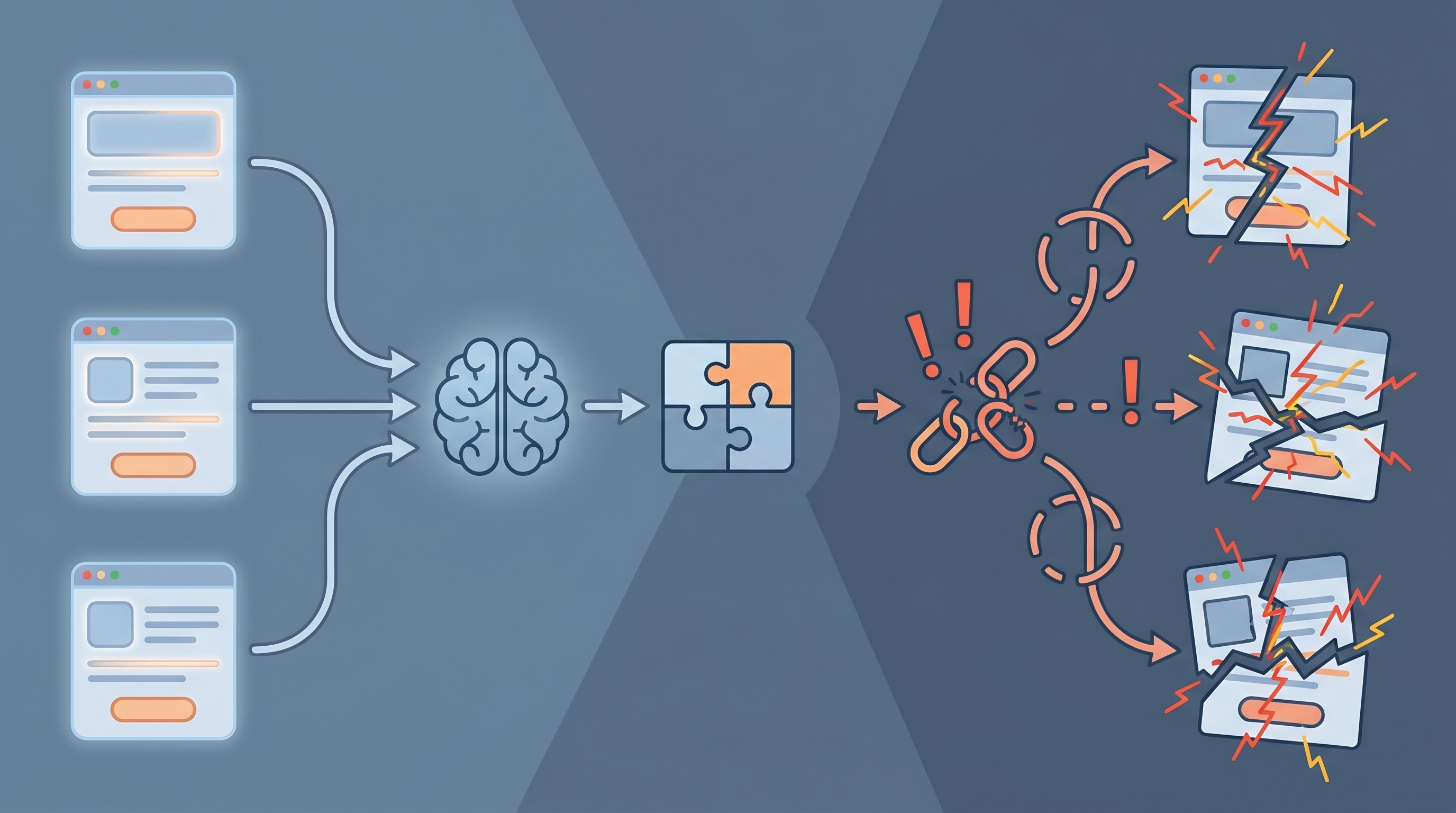
It probably needs a stack of things working together: better memory, better environmental awareness, stronger personalization, clearer permissioning, and a much better model of user intent over time. Most importantly, it needs an understanding of cost. Every interruption has a cost. Every suggestion has a cost. Every “helpful” action that arrives at the wrong moment has a cost.
An actually proactive assistant should earn the right to interrupt you. Today, most of them just assume it.
The better product move right now
If you’re building AI products today, my take is simple: stop trying to make the assistant look proactive at all costs. Focus on making it reliable, fast, context-aware, and quiet by default.
The win is not that the AI always has something to say. The win is that when it does say something, you actually want to hear it.
That’s a much harder product problem than “add more suggestions,” but it’s the one that matters. Until then, a lot of so-called proactive AI is just super annoying with better marketing.

Flo is the founder of Mind the Flo, an Agentic Studio specialized into messaging and voice agents.