Content
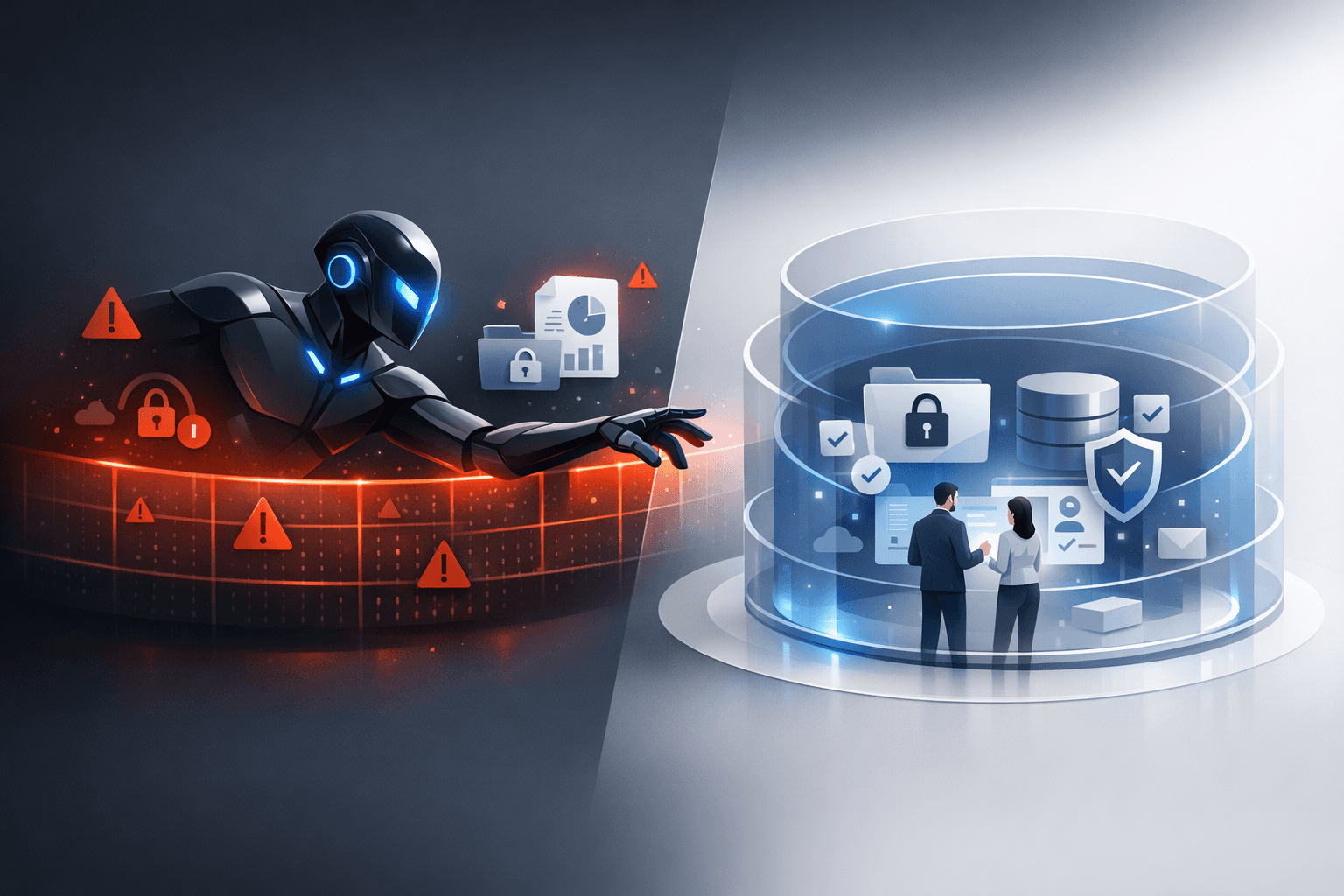
Why OpenClaw Can Become a Security Nightmare for Teams
Most people look at autonomous agents and see freedom. I see liability. The moment an agent gets broad access, vague instructions, and room to improvise, it stops being a productivity toy and starts becoming an operational risk.
Great power without guardrails is not impressive
There is a reason the old line still works: with great power comes great responsibility. The problem with an unbounded agent is that it gets the first half without the second. It can take action, access tools, move fast, and make decisions across systems, but it does not naturally understand caution, confidentiality, politics, or consequences.
That is why I think the wrong mental model is to treat an agent like a wise digital operator. A better mental model is a super smart, completely amoral, hyperfocused intern. It will pursue the objective in front of it with intensity. If your setup is sloppy, it may do exactly what it was optimized to do, not what you actually meant.

Why this becomes dangerous in a team context
A solo hacker can tolerate a lot of chaos. A team cannot. The minute AI touches internal documents, client conversations, roadmaps, finances, or operational workflows, security stops being a nice-to-have and becomes part of the product itself.
This is where a lot of experimental agent setups fall apart. They are fun in demos, but they are not designed for shared environments where multiple people need trust, permissions, visibility, and clear boundaries. In that context, “it works on my machine” is not a feature. It is a warning sign.
When I look at OpenClaw, I can appreciate the ambition. But I would not call it security-first. And for teams, that matters more than people want to admit. If the path to value involves spending a full weekend wiring things together, debugging edge cases, and hoping nothing leaks, you are not adopting a productivity system. You are adopting a new hobby.

Security has to be built in from the start
I do not believe security can be retrofitted onto an agent after the fact. Once your core philosophy is “let it do everything,” every safeguard feels like friction. But when you start from the premise that agents are powerful and potentially reckless, you design differently. You think about scope before access. You think about approval before execution. You think about collaboration before automation.
That is the only responsible way to bring AI into a real business. Not by pretending the system is magically mature, but by acknowledging that power without structure creates fragile outcomes. Fast is good, but fast and contained is better.
I keep coming back to one sentence from the transcript: “It’s a security nightmare.” That sounds dramatic until you remember what is actually at stake. A misplaced message, an exposed document, a wrong action against the wrong system, or a workflow that no one on the team fully understands is all it takes to create pain that is very real and very expensive.
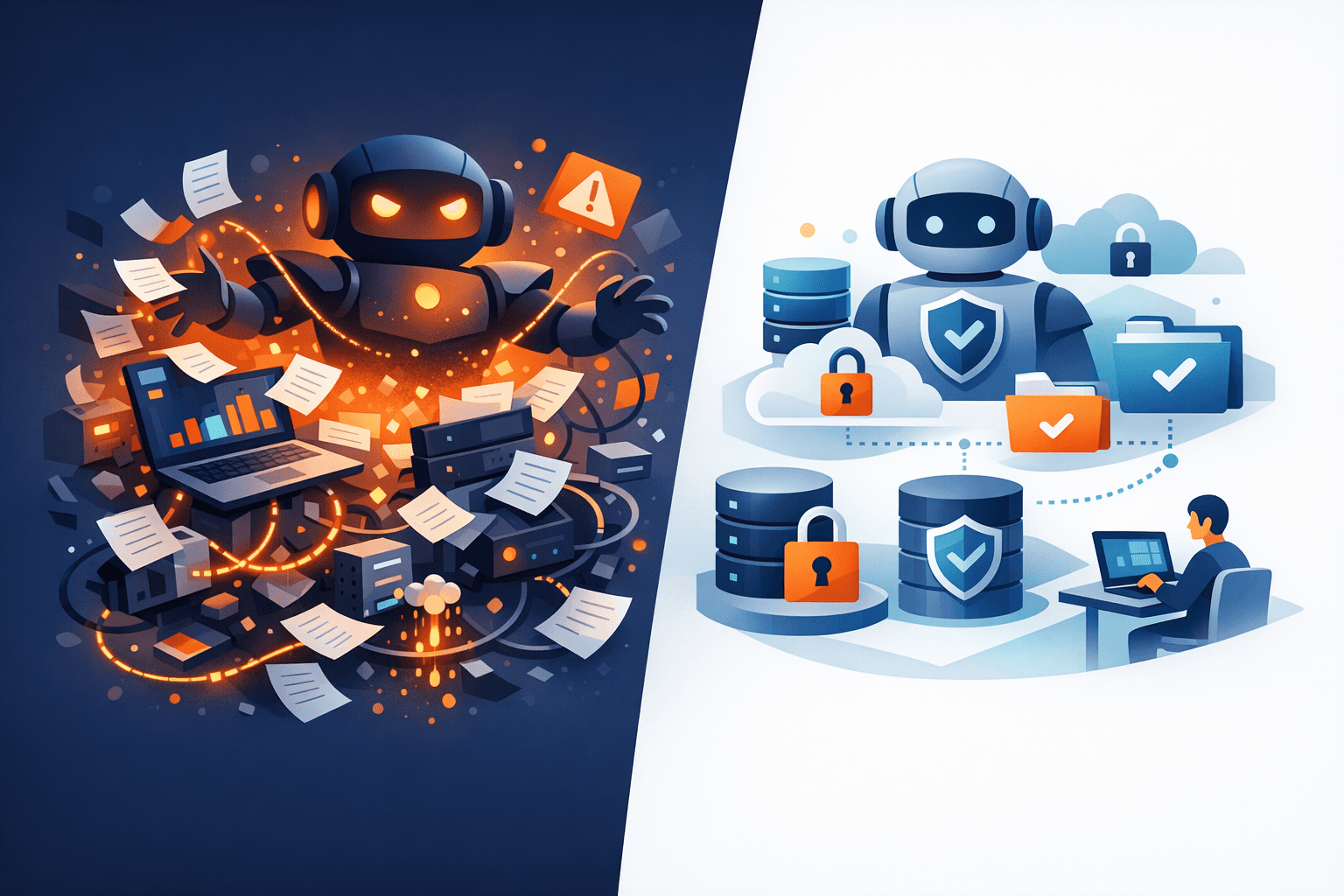
Why I built Notis around a different philosophy
When I say Notis is security-first, I do not mean that as marketing decoration. I mean the product should respect the reality of how people work. Businesses run on sensitive context. Teams need shared systems that are understandable, controlled, and dependable. AI should reduce operational stress, not introduce a new category of it.
That is why I care less about showing the most unhinged demo and more about building something people can actually trust inside a company. The goal is not to create an agent that can do anything. The goal is to create one that can do the right things, in the right context, with the right boundaries.
Open systems will always attract attention because they feel limitless. But in practice, the winners will not be the agents with the most raw freedom. They will be the ones that businesses can safely deploy without losing sleep.
And that, to me, is the real lesson here. Great power is easy to admire. Responsible power is what actually scales.

Flo is the founder of Mind the Flo, an Agentic Studio specialized into messaging and voice agents.