Content
Why Notis is more than ChatGPT
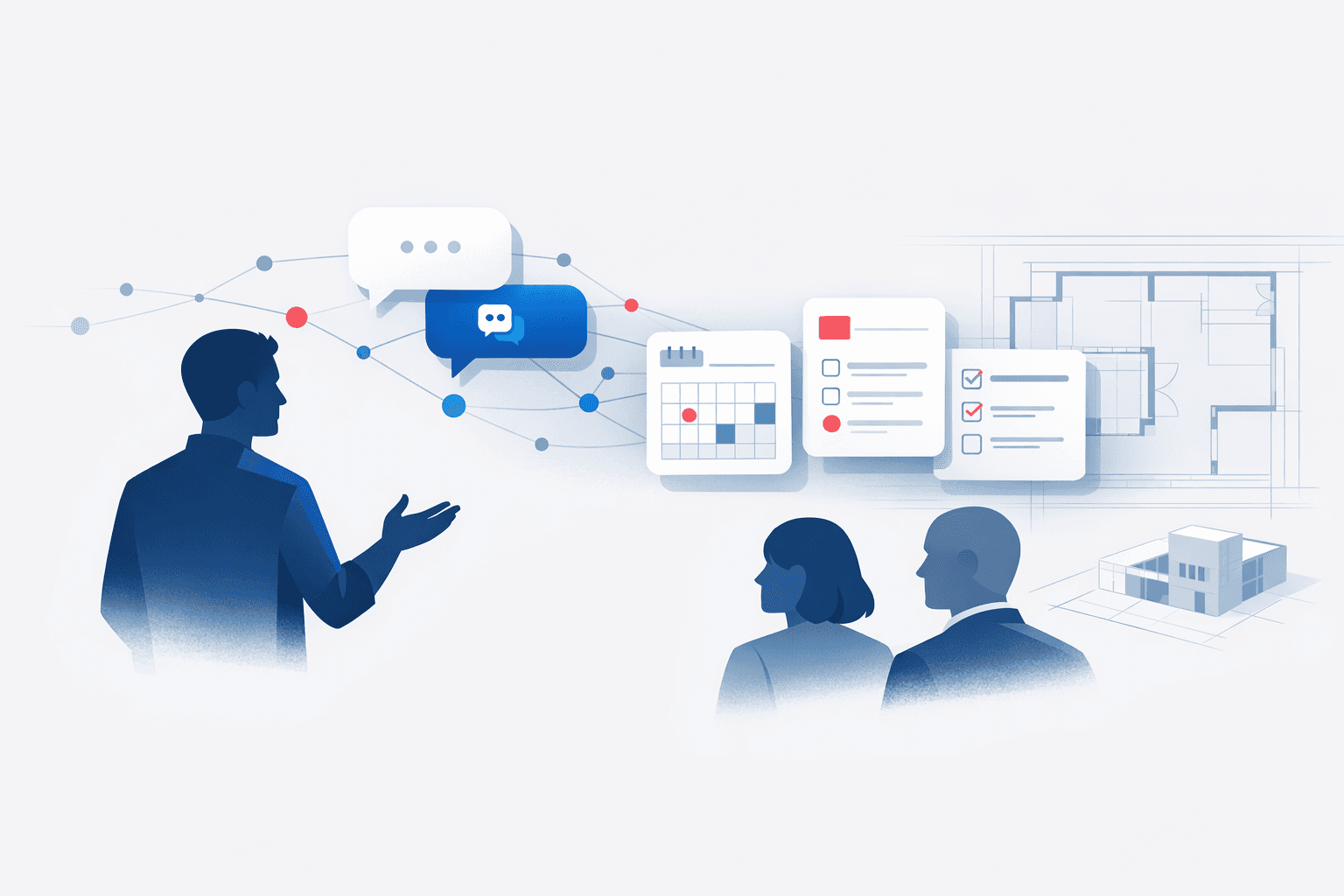
I just had a Zoom with François Blondel from Atelier Nova (a ~20-person architecture firm), and it was one of those conversations that reminds me why I’m building Notis in the first place: it’s not about “doing AI”, it’s about getting work off your plate—without changing how you work.
François came in with a very real, very common problem: notes scattered across devices, no CRM, lots of moving parts per client, and a growing feeling that “modernizing” can’t just mean adding yet another tool. He wants a system that sticks.
What I showed François: Notis as an AI intern inside your messages
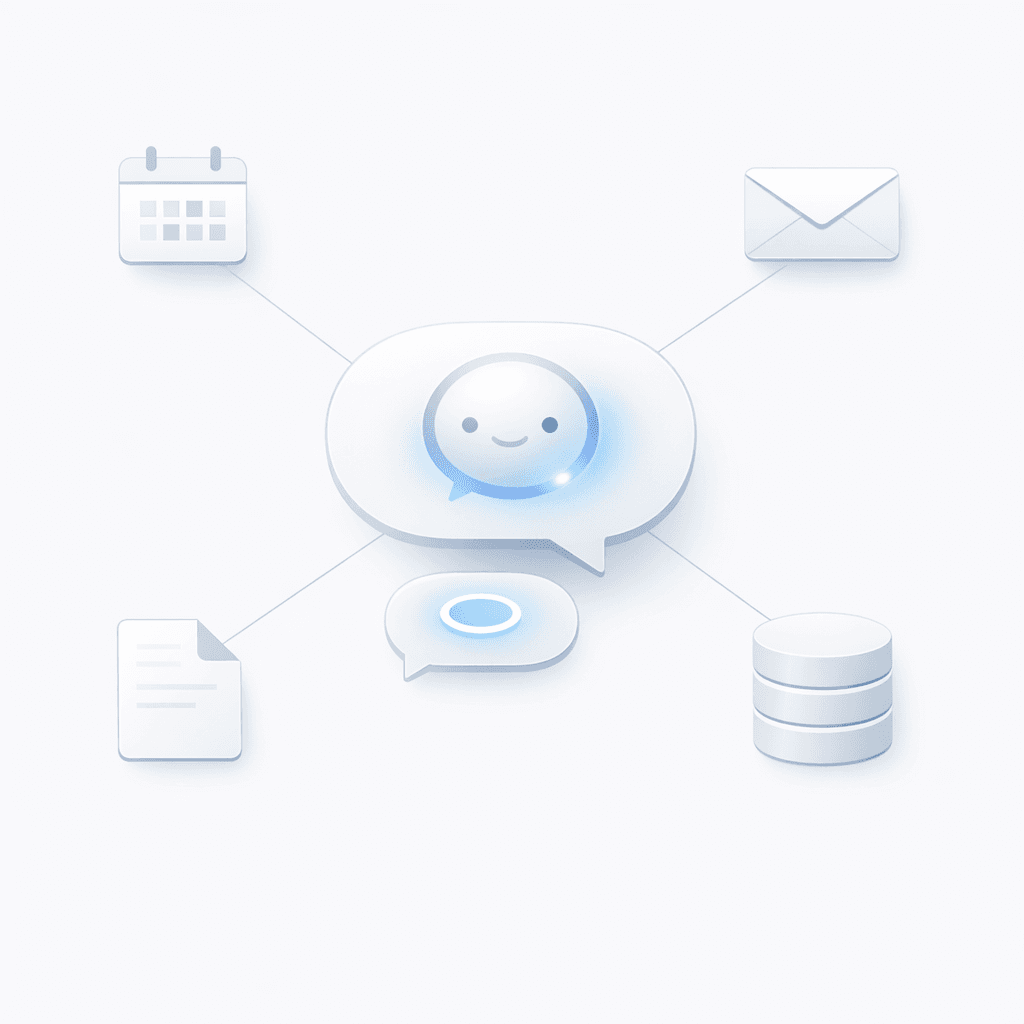
The quickest way to explain Notis is: it’s an AI intern that lives where you already talk—WhatsApp, Telegram, iMessage, Slack—and it can both remember and execute.
That’s the big difference vs. a generic chat interface. ChatGPT is great at answering. Notis is designed to follow through: connect to your calendar, email, Notion, files, CRM, and then actually run the workflow. The “memory” part matters, but the “do” part is what changes your week.
The architecture-firm reality: operations, not inspiration, is the bottleneck
Atelier Nova runs around 32 onboarding operations per project/client. That number is the story. When your work is project-based, the complexity isn’t one huge task—it’s dozens of small handoffs, reminders, follow-ups, and “where did we put that info?” moments.
François also mentioned something I hear all the time: notes end up everywhere. Phone. Laptop. Voice memos. A random doc. A screenshot. The result isn’t just mess—it’s lost context. And lost context is what kills momentum.

A concrete B2B example: replacing meetings with voice-note updates
To make it tangible, I shared a case from InsideRisk where we basically removed a weekly standup meeting. The team sends quick WhatsApp voice notes instead. Notis transcribes, extracts what matters, then drafts a CEO update and a team email recap automatically.
This is the kind of “small” change that compounds. You don’t need a grand AI transformation plan. You need one workflow per week that turns into one day saved per employee over the year. That’s the bar I like to aim for.

A quick snapshot of where Notis is at
François asked the questions I love: traction, growth, churn, what’s the business model. So here’s the honest snapshot I shared: ~30% month-over-month growth, ~15% churn, bootstrapped with about $100k spent, break-even, and still a team of zero employees.
Pricing starts around $20/month for personal assistant workflows, and then goes up with automation/team features (and phone calling). The ambition is simple: if the growth holds, we should be able to cross $1M ARR within the next 12 months.
What I think François really wants (and why it’s a good sign)
Under the surface, François isn’t shopping for “an AI tool.” He’s trying to build a reliable operating system for his firm—something that captures information as it happens, keeps it structured, and nudges the next action without him having to remember everything.
When a founder says, “I want to modernize, and I’m ready to adopt AI,” what they usually mean is: “I don’t want to spend my evenings chasing details.” That’s exactly the kind of pain Notis is meant to absorb.
If you’re running a services business with project ops, and your work is still held together by scattered notes and good intentions, you don’t need more dashboards. You need an intern that never forgets—and actually ships the follow-up.

Flo is the founder of Mind the Flo, an Agentic Studio specialized into messaging and voice agents.