Content
Why Human + AI Beats Pure Automation Every Time
You can feel it in every pitch deck right now: “We replaced the team with automation.” It sounds efficient. It sounds modern. It also breaks the moment the real world shows up.
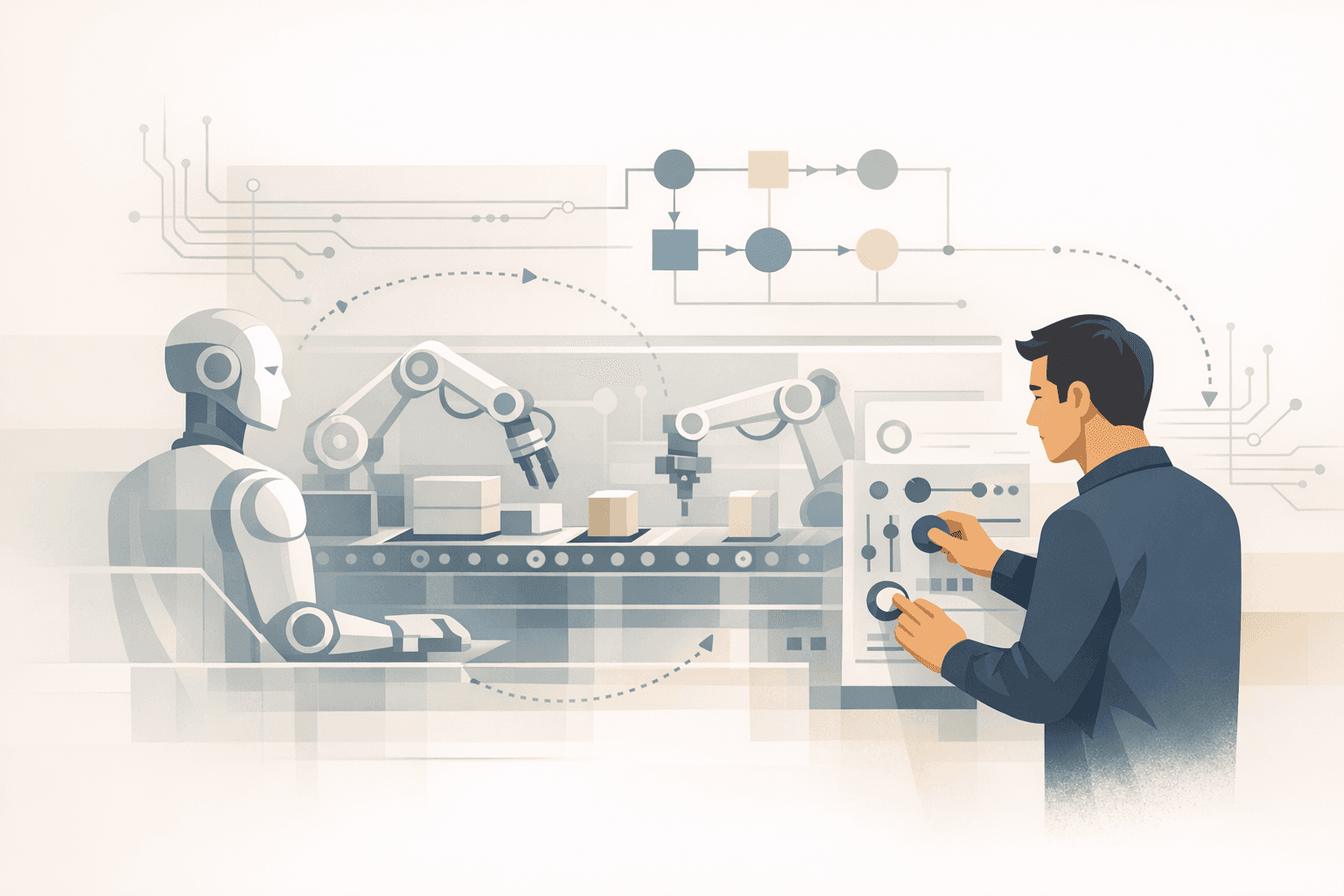
I’ve spent the last couple years building Notis, and the most important lesson I keep relearning is boring: pure automation is fragile. The winning setup isn’t human versus AI. It’s human plus AI, with clear responsibility.
Pure automation fails for the same reason most org charts fail
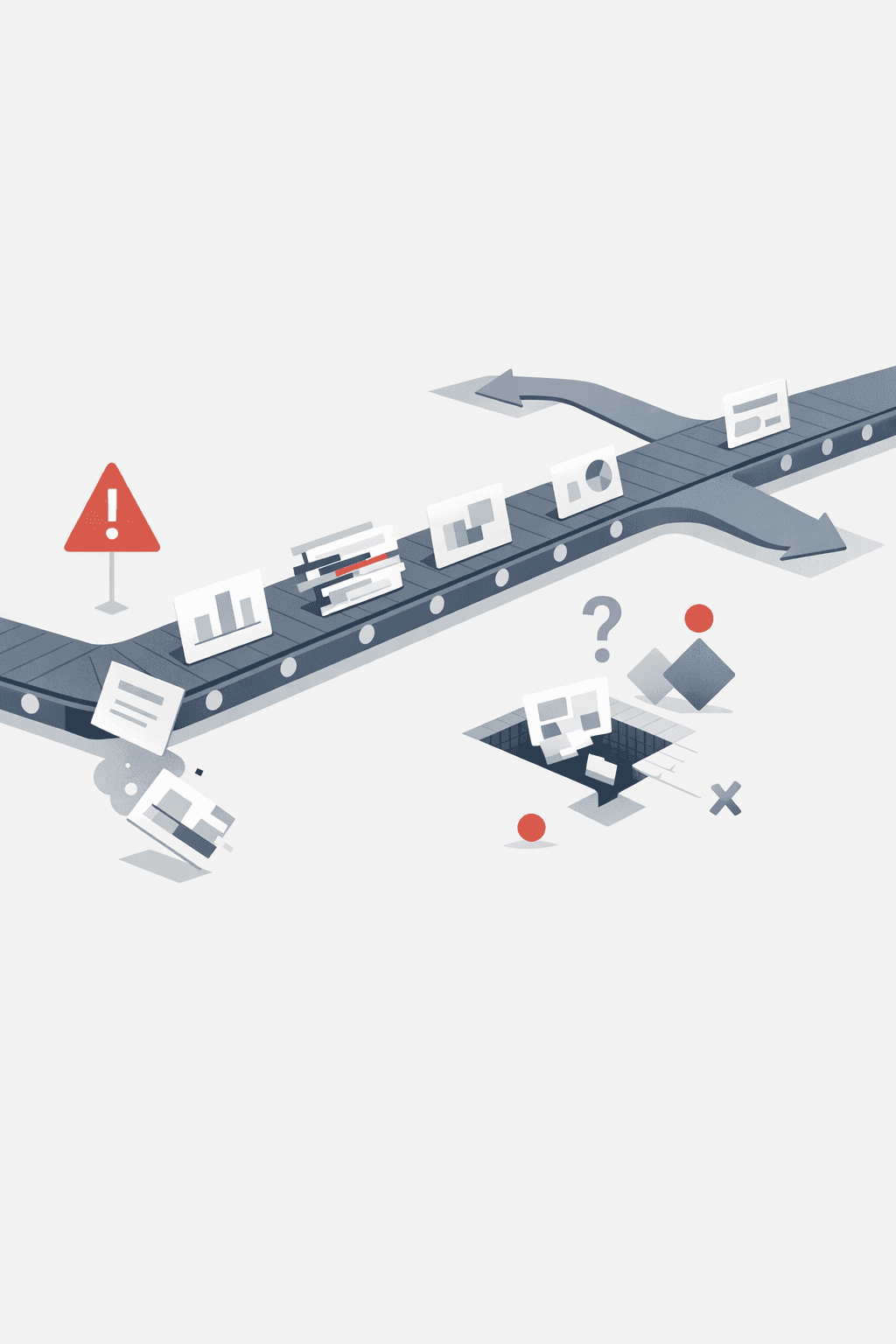
Automation doesn’t fail because the AI is “bad.” It fails because the environment is messy.
Your business is a constant stream of edge cases: the prospect who replies with a weird question, the customer who sends screenshots instead of text, the invoice that looks like every other invoice until it doesn’t, the stakeholder who changes their mind after you shipped.
A fully automated system has one core weakness: it has to be right without being accountable. When it makes a mistake, nobody “owns” that mistake. The system just… did it. That’s when trust dies.
Humans don’t work like that. In a healthy company, responsibility is explicit. Someone is on the hook for the outcome, even if a tool did most of the work.
The Notis approach: every workflow has an owner
What’s unique about how we build Notis is simple: we pair humans with AI on purpose.
There isn’t a single workflow we ship where the output isn’t under the responsibility of a human. That doesn’t mean people need to be experts in AI. They don’t need to be “prompt engineers.” They don’t even need to be creative enough to imagine what should be automated.
They just need to be the accountable owner of what the workflow produces.
That ownership flips the whole game. AI becomes leverage instead of liability.

Why “human in the loop” is not a compliance checkbox
A lot of people hear human-in-the-loop and imagine bureaucracy. A slow approval chain. A human babysitting a robot.
That’s not what I mean.
I mean one clean gate where reality is allowed to veto the model.
AI is amazing at compressing time. It can draft, summarize, classify, route, rewrite, and propose actions faster than any human team. But it does not feel consequences. It doesn’t pay the price of a wrong email. It doesn’t hear the frustration in a client’s voice. It doesn’t carry the long-term cost of a sloppy database.
Humans are the opposite. We’re slower, but we’re the only component in the system that can absorb context, apply judgment, and take responsibility.
When you keep a human in the loop, you’re not “limiting” AI. You’re giving it a job description it can succeed at.
The hidden cost of pure automation: it forces you to over-standardize
There’s another failure mode that’s less dramatic but more common.
To make pure automation work, companies end up redesigning their business around the tool. They standardize language, restrict inputs, simplify products, and reduce exceptions. They do it because the system can’t handle nuance.
That can be fine if your business is basically a factory.
But most modern businesses compete on nuance. They compete on how you handle the weird request. They compete on speed with taste. They compete on the quality of decisions.
When you let pure automation dictate your operations, you slowly trade advantage for predictability.
Human + AI lets you scale judgment, not just output
The best mental model I’ve found is this: AI scales output. Humans scale judgment.
When you combine them, something interesting happens. You don’t just get “more work done.” You get a system where judgment shows up more consistently, because the boring parts stop stealing attention.
In practice, that looks like AI producing first drafts of everything that is repeatable, while a human owner stays responsible for:
The intent, meaning the outcome you actually want.
The constraints, meaning what must never happen.
The review, meaning what ships and what doesn’t.
The feedback loop, meaning how the workflow improves over time.
This is why I’m skeptical when someone promises “set it and forget it.” Your business isn’t a toaster. It’s a living thing.
The real reason people want pure automation
Let’s be honest: pure automation is seductive because it promises relief.
Founders are tired. Operators are overloaded. Everyone is drowning in admin work that feels beneath them. The dream is to delete the workload without paying for headcount.
I get it.
But replacing responsibility with automation doesn’t delete the workload. It just moves it downstream into debugging, customer support, and reputation repair.
The goal shouldn’t be “no humans involved.” The goal should be “humans only involved where it matters.”
That’s a very different product philosophy.
How to design a workflow that survives reality
If you want an AI workflow that holds up in a real business, the core design question isn’t “Can the model do it?” The question is “Who owns the outcome?”
Once ownership is clear, everything else becomes easier.
You can decide where the review gate sits. You can define what needs human confirmation and what can be auto-executed safely. You can restrict permissions so the system can’t do irreversible damage. You can decide what data the AI is allowed to use, and what data is off-limits.
The funny part is: these constraints don’t make the system weaker. They make it usable.
People adopt workflows they trust. Trust comes from two things: consistent quality and predictable failure modes.
Pure automation fails unpredictably.
Human + AI fails in a way that’s catchable.
What this changes for teams
When you build with humans in the loop, you stop treating AI as a replacement and start treating it like an accelerator.
The operator’s job shifts from doing everything manually to managing a pipeline of AI-produced work.
The manager’s job shifts from chasing status to defining guardrails and quality.
The founder’s job shifts from being the bottleneck to being the architect of leverage.
And because every workflow has an owner, the system actually improves. The AI doesn’t just run. It learns from the humans who care about the output.
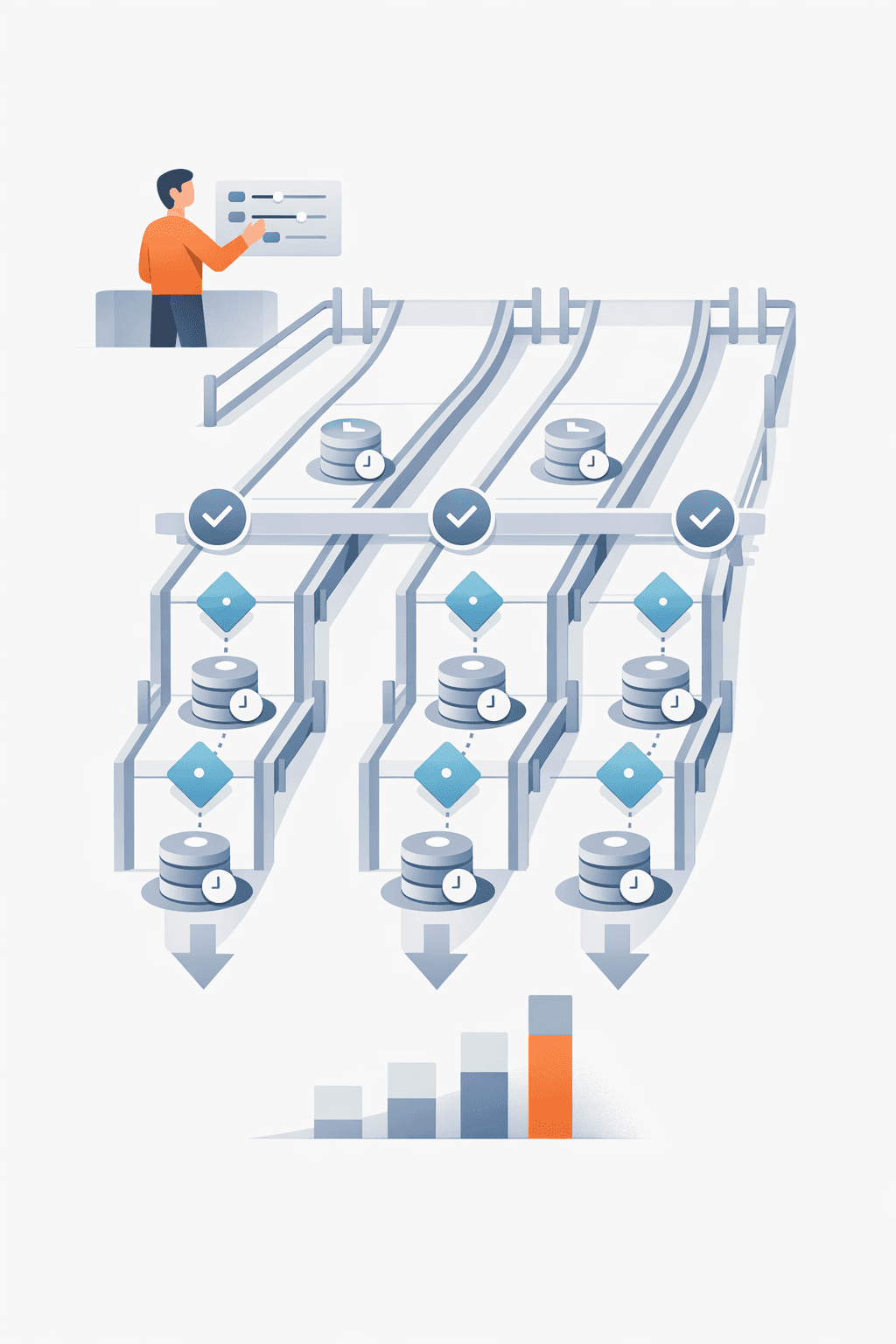
The future isn’t full automation. It’s accountable automation.
The next wave of productivity won’t come from pretending humans are the problem.
It will come from designing systems where humans keep responsibility and AI does the heavy lifting.
If you’re building internal workflows, selling services, or running a product team, this is the standard I’d hold yourself to: no workflow ships without a human owner.
Not because AI is weak.
Because the real world is strong.

Flo is the founder of Mind the Flo, an Agentic Studio specialized into messaging and voice agents.