Content
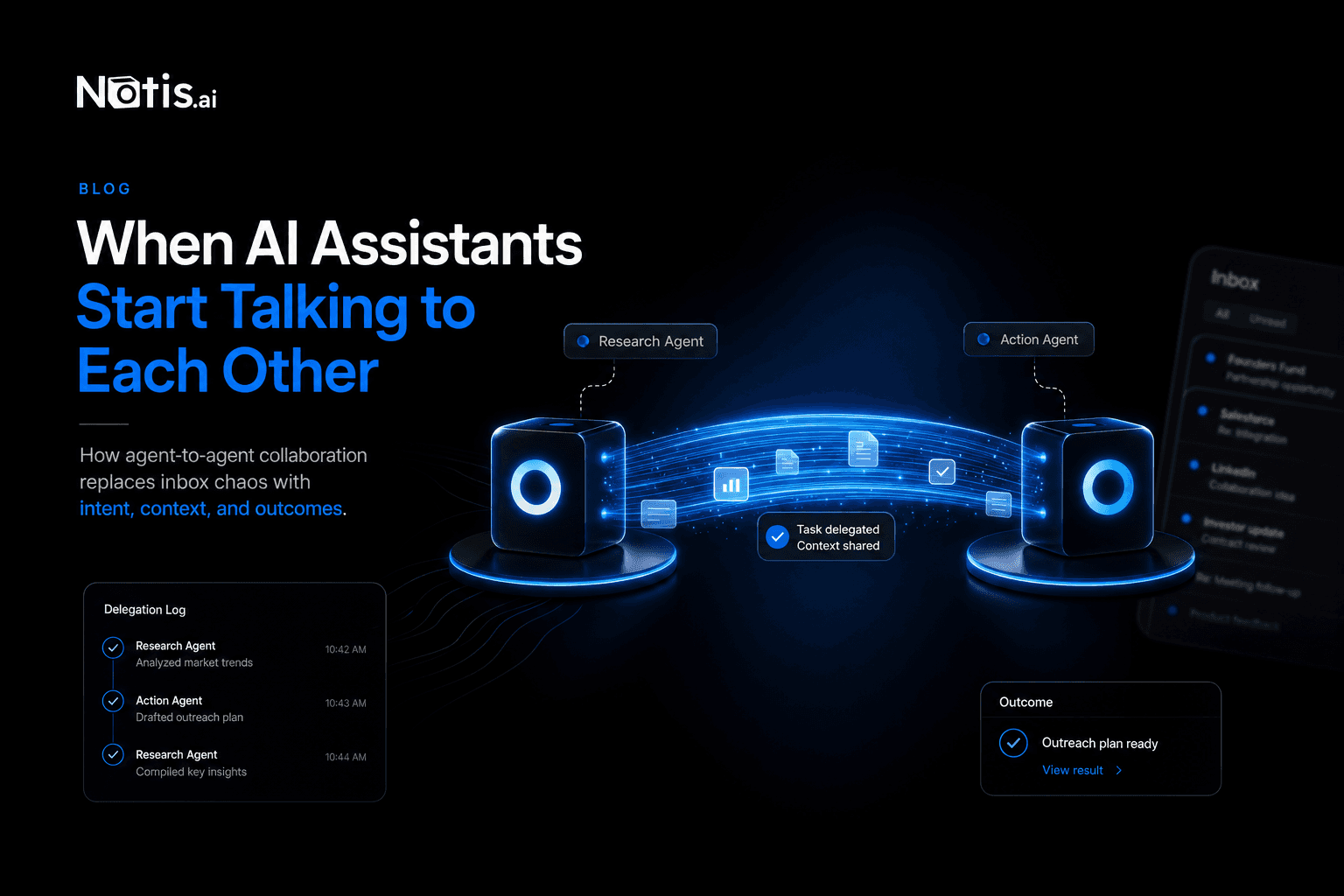
When AI Assistants Start Talking to Each Other

Most people still think of AI assistants as smarter chat windows. Useful, sure. But still stuck in the same basic pattern: you ask, it answers, then you go do the annoying coordination work yourself. You still chase people. You still send the follow-up. You still translate context between tools, threads, and humans. That model is already starting to feel old.
The more interesting future is not an assistant that talks better to you. It’s an assistant that can talk to other assistants for you. That’s the moment this stops being a productivity toy and starts becoming real infrastructure.
The real bottleneck was never writing
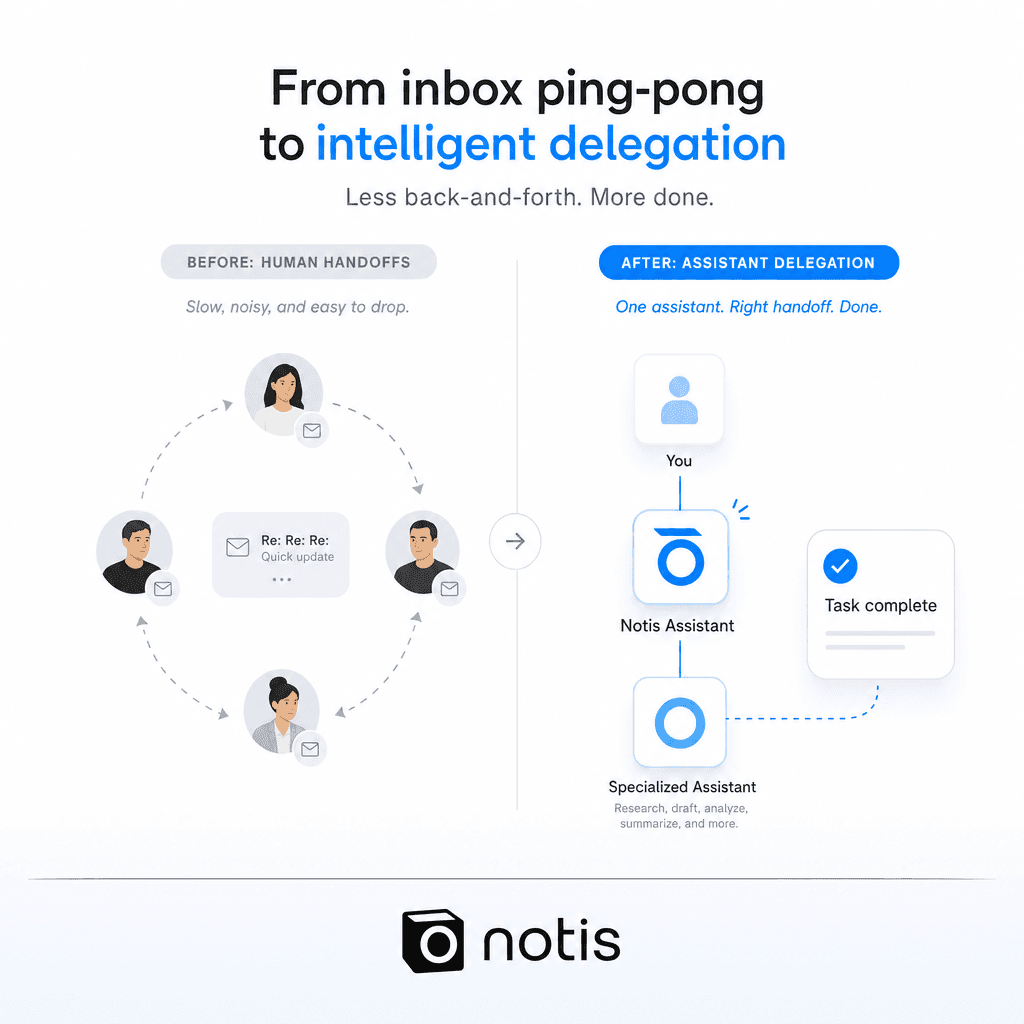
A huge amount of modern work is not creation. It’s coordination. It’s asking someone what they’re doing this week. It’s checking whether a meeting should happen. It’s requesting missing context before a project can move. It’s all the tiny human pings that make work feel heavier than the actual work itself.
That’s why the current AI wave still feels strangely incomplete. Yes, models can summarize, draft, brainstorm, and answer questions. But the operator is still trapped in the middle, manually relaying intent between people. We upgraded the typing. We didn’t remove the traffic.
Assistant-to-assistant is the next interface
Imagine I want to know whether Trevor is free this week, what he’s focused on, or whether there’s already context on a topic we discussed. In the old world, I send Trevor a message. In the slightly newer world, I ask my assistant to draft a message for Trevor. In the world I actually want, my assistant reaches out to Trevor’s assistant, asks the question with the right permissions, gets the relevant answer back, and only involves us if something genuinely needs human judgment.
That sounds small until you realize it changes the shape of work. Once assistants can negotiate simple requests, verify context, exchange structured information, and escalate only when necessary, the inbox stops being the default operating system for collaboration.
Why this matters more than another smarter chatbot
The market keeps rewarding demos that look intelligent in a chat box. I get it. It’s visible. It’s sexy. But from an operator’s perspective, the biggest win is not a more poetic answer. It’s less coordination debt. It’s fewer status pings. It’s fewer moments where you need to context-switch just to move a task forward.
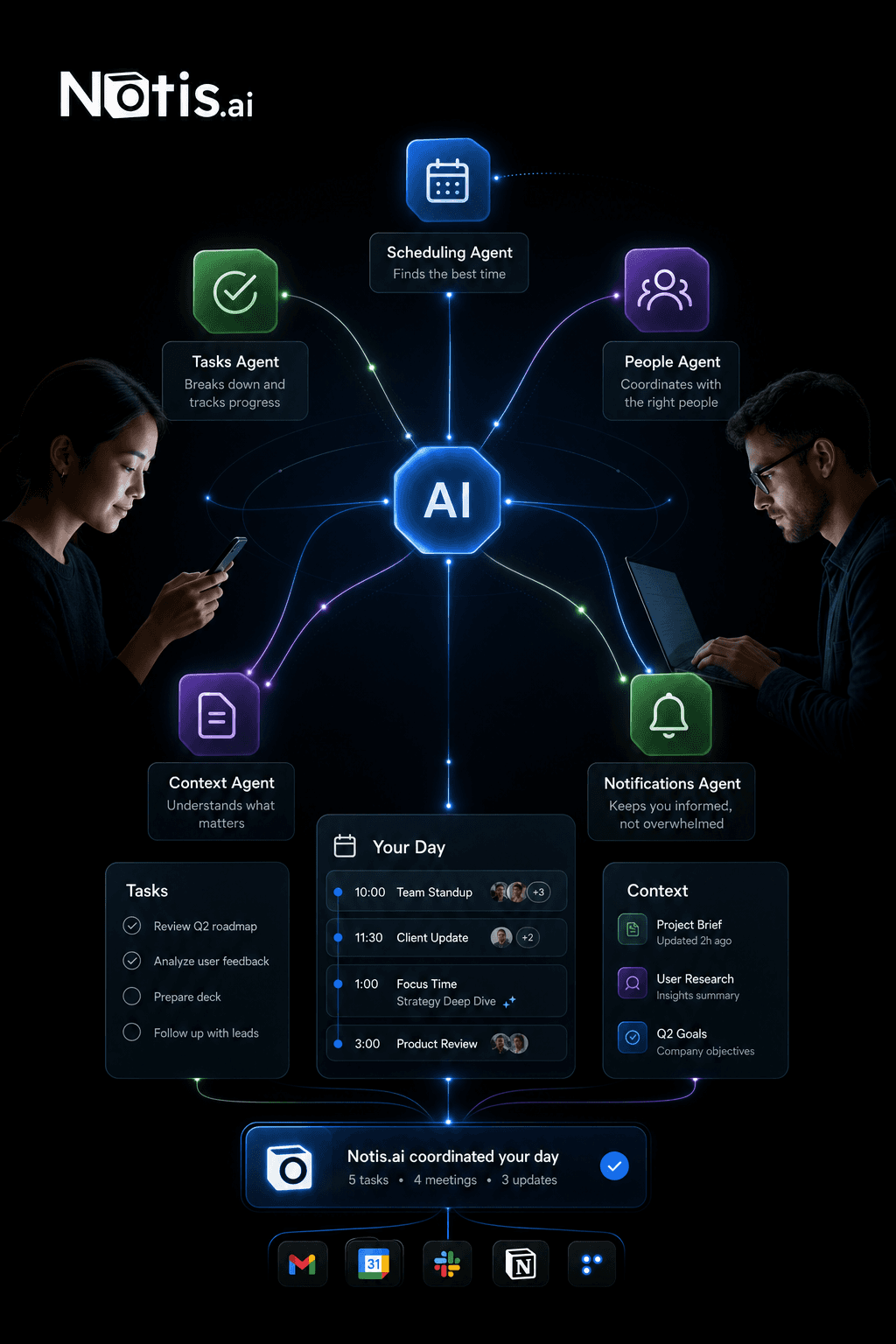
If your assistant can ask mine for the right thing in the right format, a whole layer of low-value friction disappears. Suddenly, availability checks, follow-up requests, pre-meeting coordination, handoffs, and context collection start happening in the background. Not in a creepy autonomous-everything way. In a boringly useful way. Which is usually how the future actually arrives.
This only works if assistants become personal, not generic
The important word here is personal. A real assistant is not just connected to a model. It’s connected to your context, your preferences, your calendar, your relationships, your tolerance for interruption, and your operating style. Otherwise it’s just an API with good manners.
That’s also why assistant-to-assistant communication is such a big deal. It forces the product to move beyond one-off prompting and into identity, permissioning, memory, and task intent. Your assistant has to understand what you care about, what it is allowed to ask for, what it can share, and when to leave you alone. The same goes for mine.
The future of work gets quieter
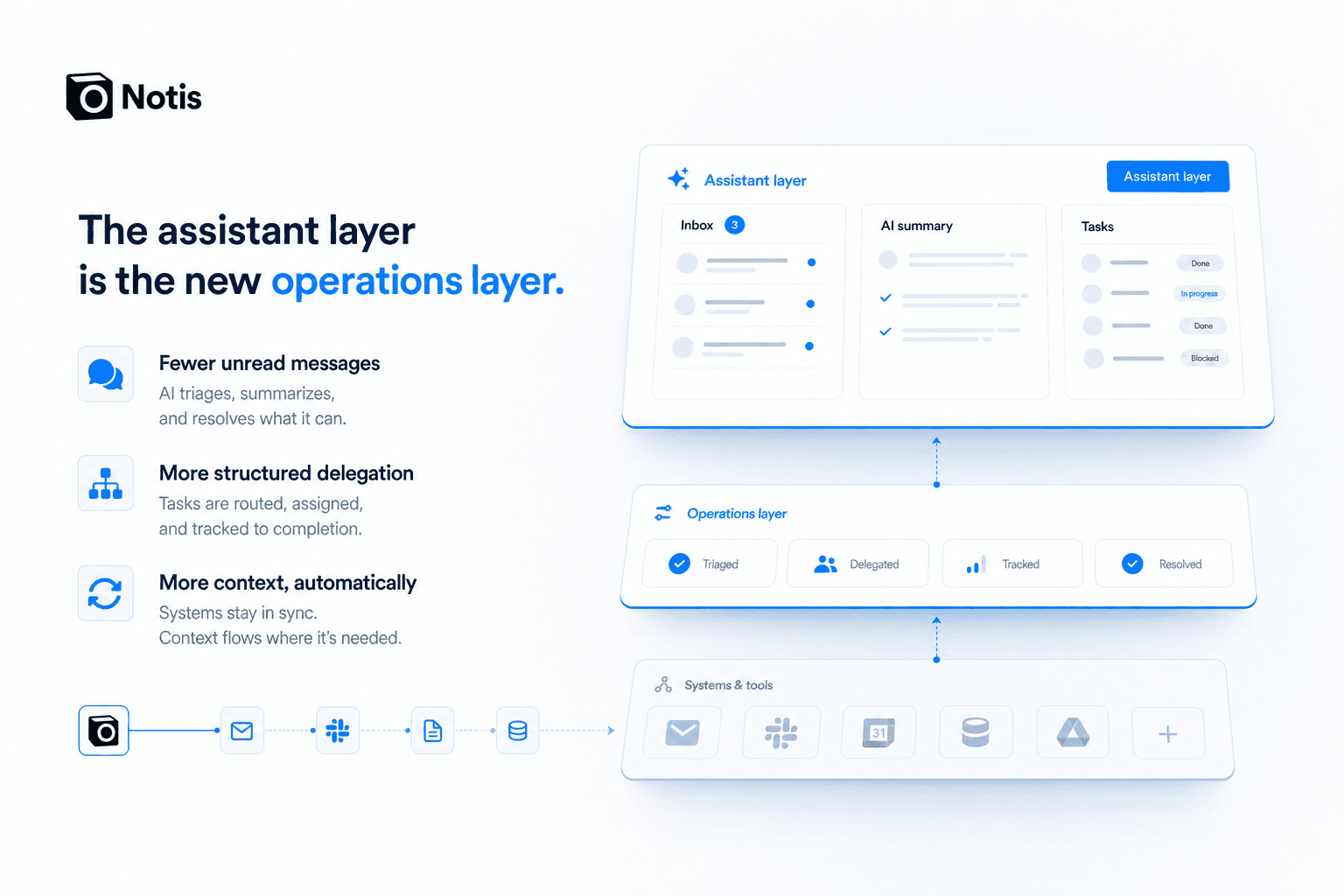
I think the best AI products will not feel louder. They’ll feel quieter. Fewer unread messages. Fewer coordination loops. Fewer moments where your brain has to hold ten open tabs worth of social context just to keep things moving. The output is not more conversation. The output is less unnecessary conversation.
That’s the bit that blows my mind. We spent years building tools that made it easier for humans to message each other faster. What if the next layer is tools that make it unnecessary for humans to do most of that messaging in the first place?
What happens next
At first, this will look modest. Assistants checking schedules. Assistants confirming whether context already exists. Assistants gathering status before a meeting. Assistants handling simple structured requests between trusted parties. Then it compounds. The moment that background coordination becomes reliable, every founder, operator, and team lead gets a leverage jump that feels way bigger than the feature list suggests.
My bet is simple: the winners in AI productivity won’t just be the tools that help you think. They’ll be the tools that help your world coordinate itself around you. Once that happens, your assistant is no longer a chatbot. It’s an active layer between intent and execution. And once assistants start talking to each other, work starts feeling very different.

Flo is the founder of Mind the Flo, an Agentic Studio specialized into messaging and voice agents.