Content
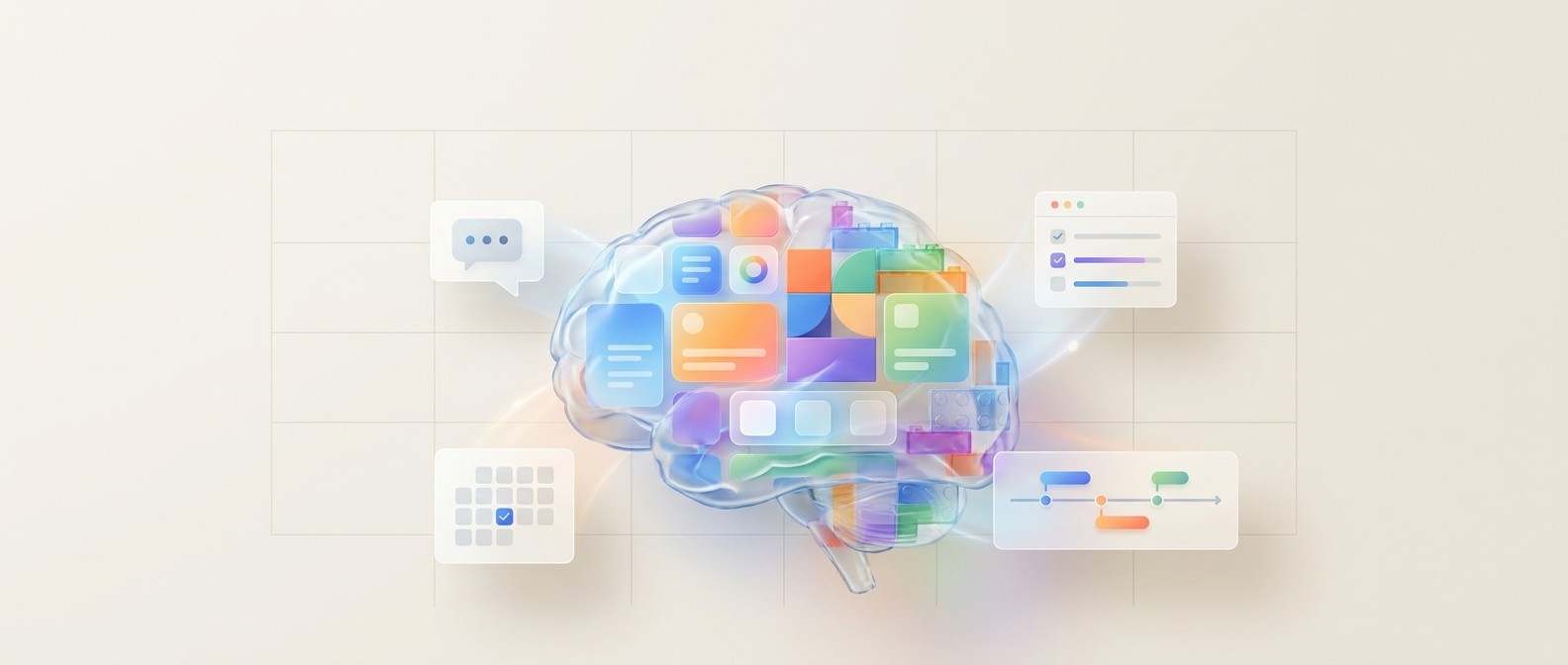
Software Is Finally Adapting to Your Actual Brain
Most software still treats users like they are the problem. If you do not like the workflow, the dashboard, the sequence of clicks, or the mental overhead, the unspoken answer is always the same: learn the system better. I think that era is dying.
We are finally entering a world where software adapts to the person instead of the person adapting to the software. And honestly, it is about time.
The reason this shift matters is simple. People do not work the same way. Some people are monsters at email. Some people would rather do almost anything than open a CRM. Some people love a flexible workspace like Notion. Others open it and instantly feel like they have been asked to design their own operating system before breakfast. None of that means one person is more disciplined than another. It means their brains, habits, and businesses are different.
That is exactly why I am so bullish on personalized software. Not personalization in the lazy sense where a dashboard changes color or recommends three shortcuts you will never use. I mean software that changes its interface, business logic, and interaction model depending on who is using it and what they are trying to get done.
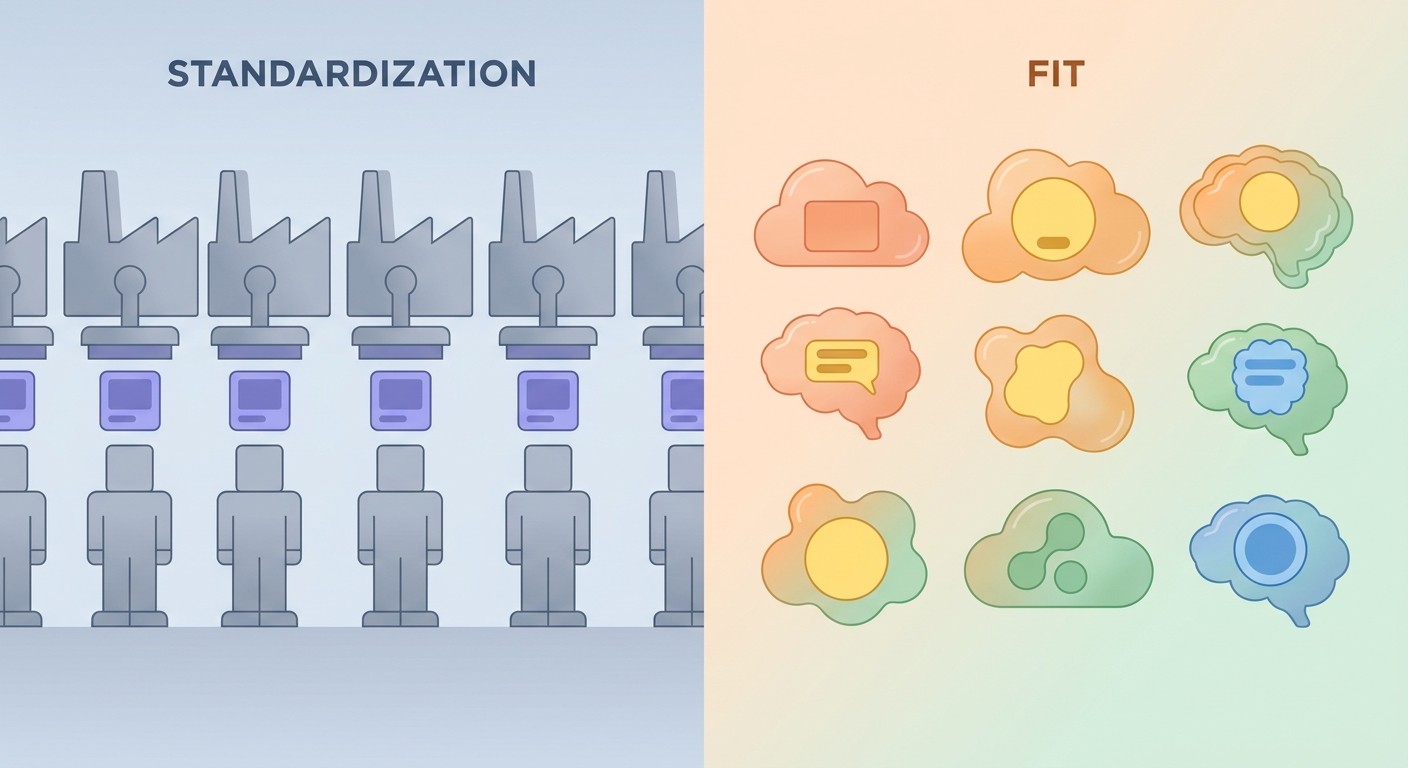
The old model was standardization. The next one is fit.
Traditional SaaS was built on a perfectly rational idea: create one interface, train everyone to use it, and scale support around that standard. It made sense when software was expensive to build and expensive to maintain. The downside is that every user had to bend toward the product, even when the product clearly did not fit how they naturally think.
This is why so many work tools feel weirdly exhausting. The exhaustion is not always the task itself. It is the translation layer. You have to convert your natural way of thinking into the software’s opinionated structure before anything useful can happen.
That translation cost is invisible in product demos, but in real life it is enormous. It is why one founder can fly through a system that makes another founder shut the tab in thirty seconds. The software did not fail equally for both people. It fit one brain and fought the other.
Different people do not need better discipline. They need different surfaces.
My wife works on her computer differently than I do. The way she would want an AI agent to help her is different from the way I want it to help me. Some people want to work from messaging apps. Some want a Slack channel. Some want an app that feels almost invisible until it is needed. Others want a command center with explicit controls everywhere. All of those preferences are valid.
The mistake is assuming there should be one canonical interface that everyone must accept. There should not. Your task manager should work a certain way because your brain works a certain way. Your calendar should work a certain way because the decisions you make, the speed you operate at, and the level of context you need are specific to you. Mine should probably work differently. Yours almost certainly should too.
That is the real promise of AI in software. Not just answering questions faster. Not just automating a few steps. It is the ability to generate software that fits like a glove.
The future software stack looks more like Lego than a suite.
A lot of people still think the future of productivity means one giant platform that does everything. I think that is backwards. The future is composable. Messaging for fast capture. Voice when your hands are busy or your thoughts are messy. A timeline when you need sequence. A checklist when you need execution. An automation when the task should happen without you even seeing it.
The point is not to make everything look the same. The point is to combine the pieces that are actually useful for you. Like Lego. You use the block that fits the job, then connect it to the rest of your system. That is how software becomes personal without becoming chaotic.
This is also where business logic becomes personal. Two companies can sell the same thing and still need entirely different flows because they make decisions differently, track risk differently, or operate at a different speed. So of course the software layer should differ too.
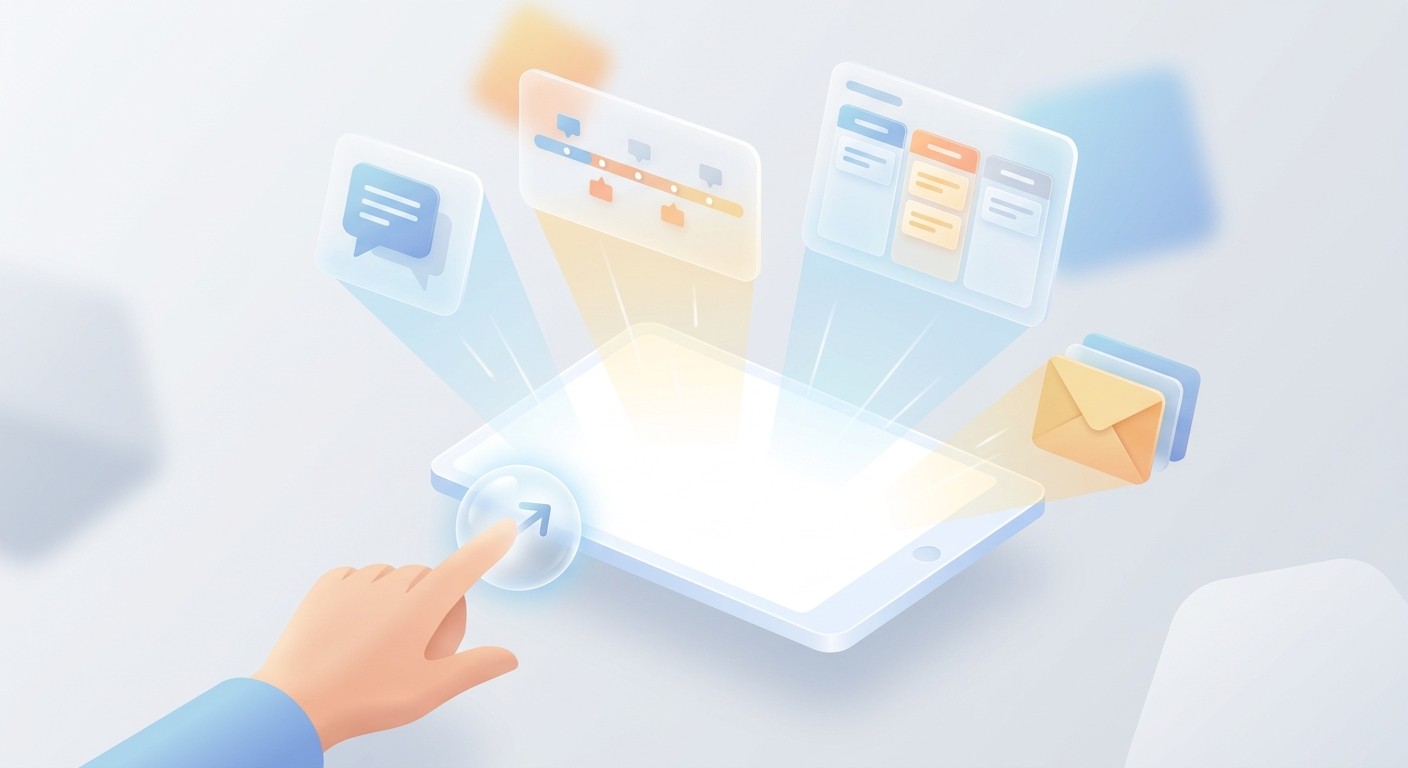
Generated interfaces will replace generic dashboards.
What gets really exciting is when the interface itself stops being a fixed artifact. You tell the system what you need. It understands how you like to operate. It knows your context. Then it generates the right surface for the moment.
Maybe you want to manage your pipeline from WhatsApp because that is where you already live. Great. Maybe someone else wants a Slack workflow with approvals. Great. Maybe another person wants a tiny app that only shows what matters today and hides everything else. Also great. Same core capability, different interface.
This is where software gets interesting again. Instead of learning the product, you express intent. The product generates structure. The UI appears as a consequence of your workflow instead of a prerequisite for it.
And yes, this changes the economics of software completely. If interfaces can be generated and adapted continuously, products stop competing only on features. They compete on how well they understand the user and how elegantly they translate intent into execution.
The best software will feel like it was made for one person.
That is where I think we are heading. Every piece of software will be individualized. Not because everyone wants to become a no-code builder, but because no one should have to tolerate rigid workflows when machines are finally good enough to generate better ones.
You will create something that works for your brain, your business, and your pace. The person next to you will create a different version for theirs. Under the hood, both may rely on the same models, the same tools, even the same data. But the experience will be different because the wrapper will finally adapt to the human.
That is the shift I care about most. Not AI as a trick. Not AI as a chatbot glued onto old software. AI as the thing that lets software become truly personal for the first time. And once that happens, rigid UIs will feel as outdated as command lines did to most people a generation ago.

Flo is the founder of Mind the Flo, an Agentic Studio specialized into messaging and voice agents.