Content
Notis vs Den: Which AI Workspace Fits Your Workflow?
Quick Take
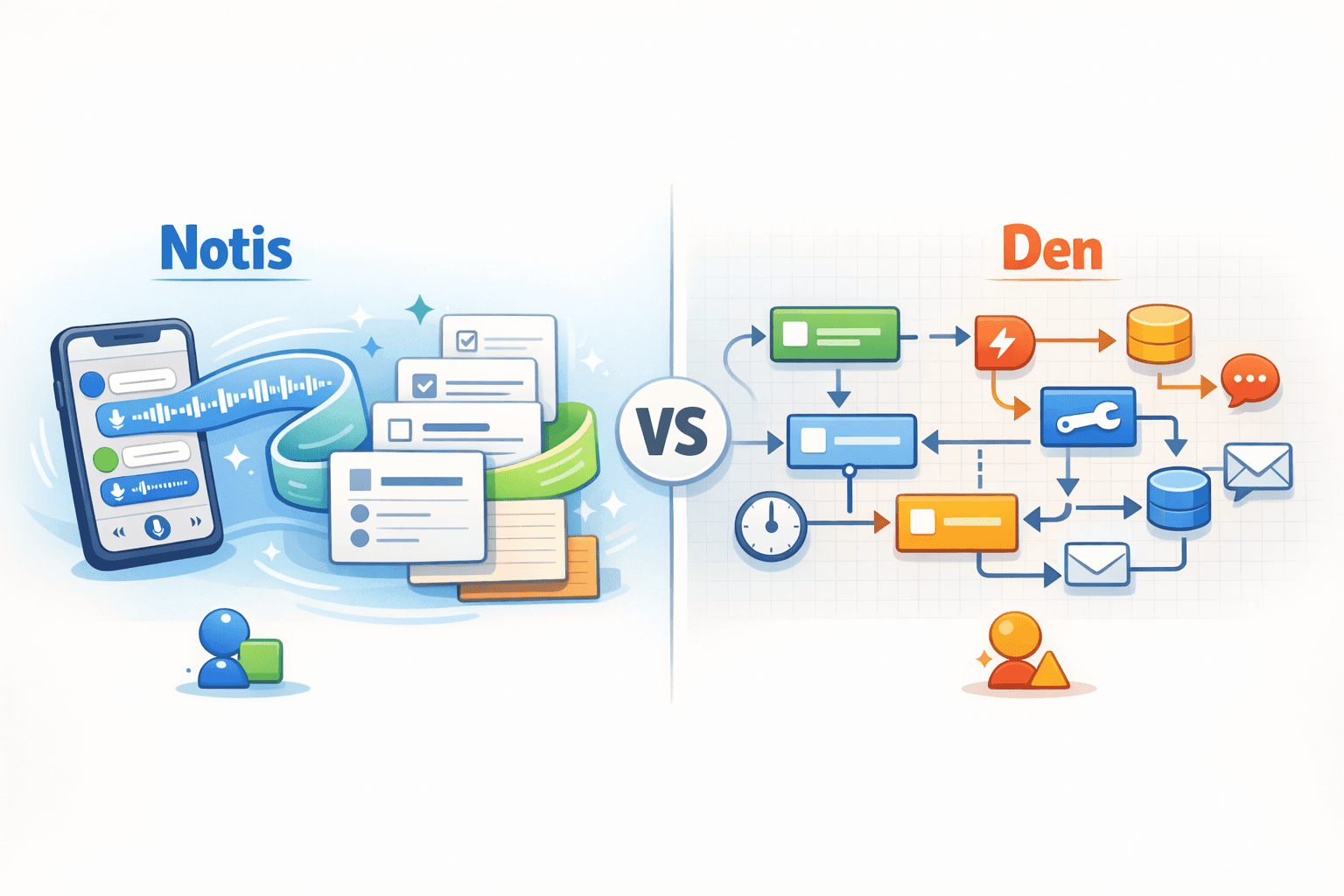
Den and Notis both use AI to remove busywork, but they optimize for different centers of gravity. Choose Den if you want an AI-native team workspace where conversations, docs, and agents live together in one place. Choose Notis if you already run your system in Notion and want a voice-first “AI intern” you can message from WhatsApp, Telegram, iMessage, or email to turn raw input into structured work in your existing Notion databases.
Product Overviews
Notis
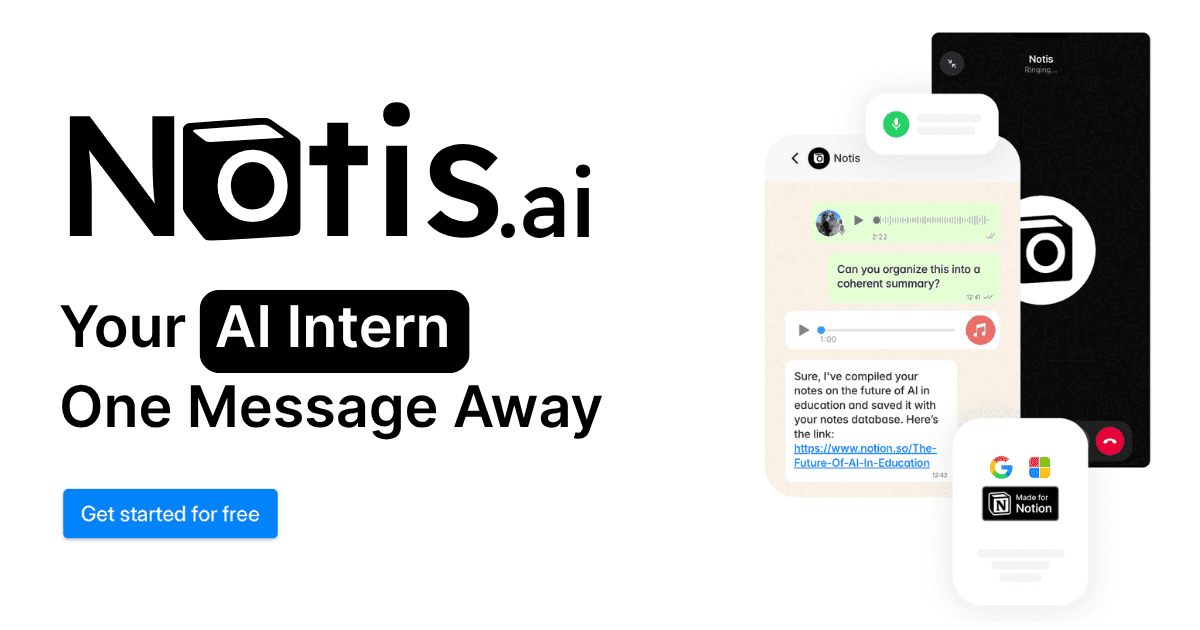
Notis is a messaging-first AI assistant designed to capture and execute work directly inside your Notion workspace. You send voice notes or text from chat apps or email, and Notis turns them into structured pages, tasks, and database updates, with optional automations for recurring workflows.
Den
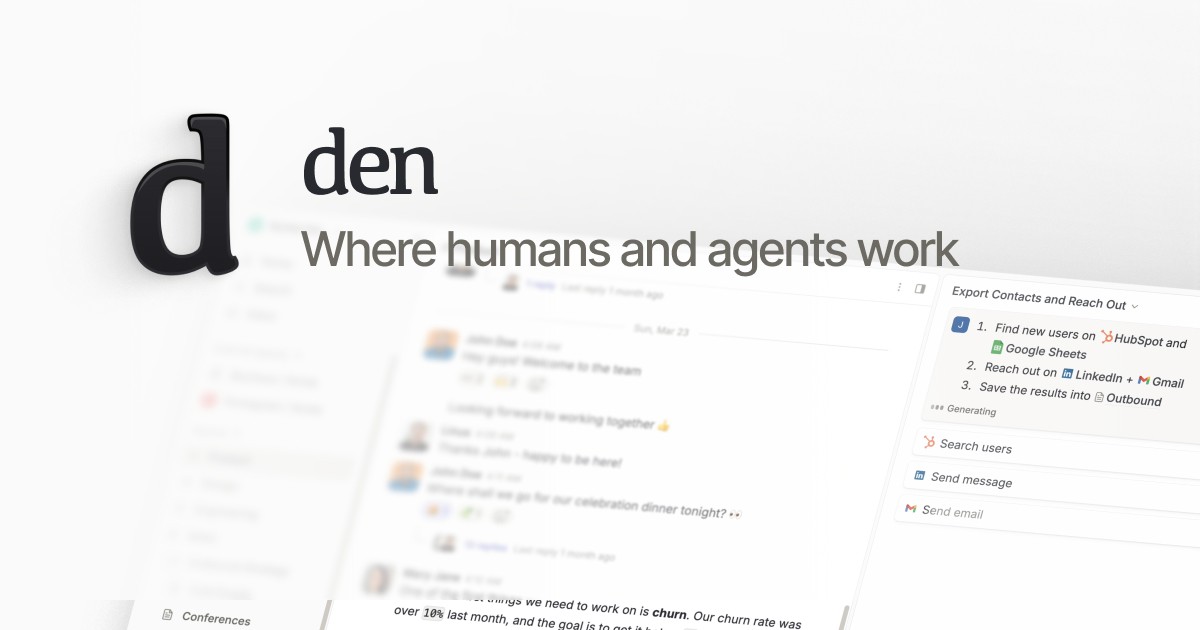
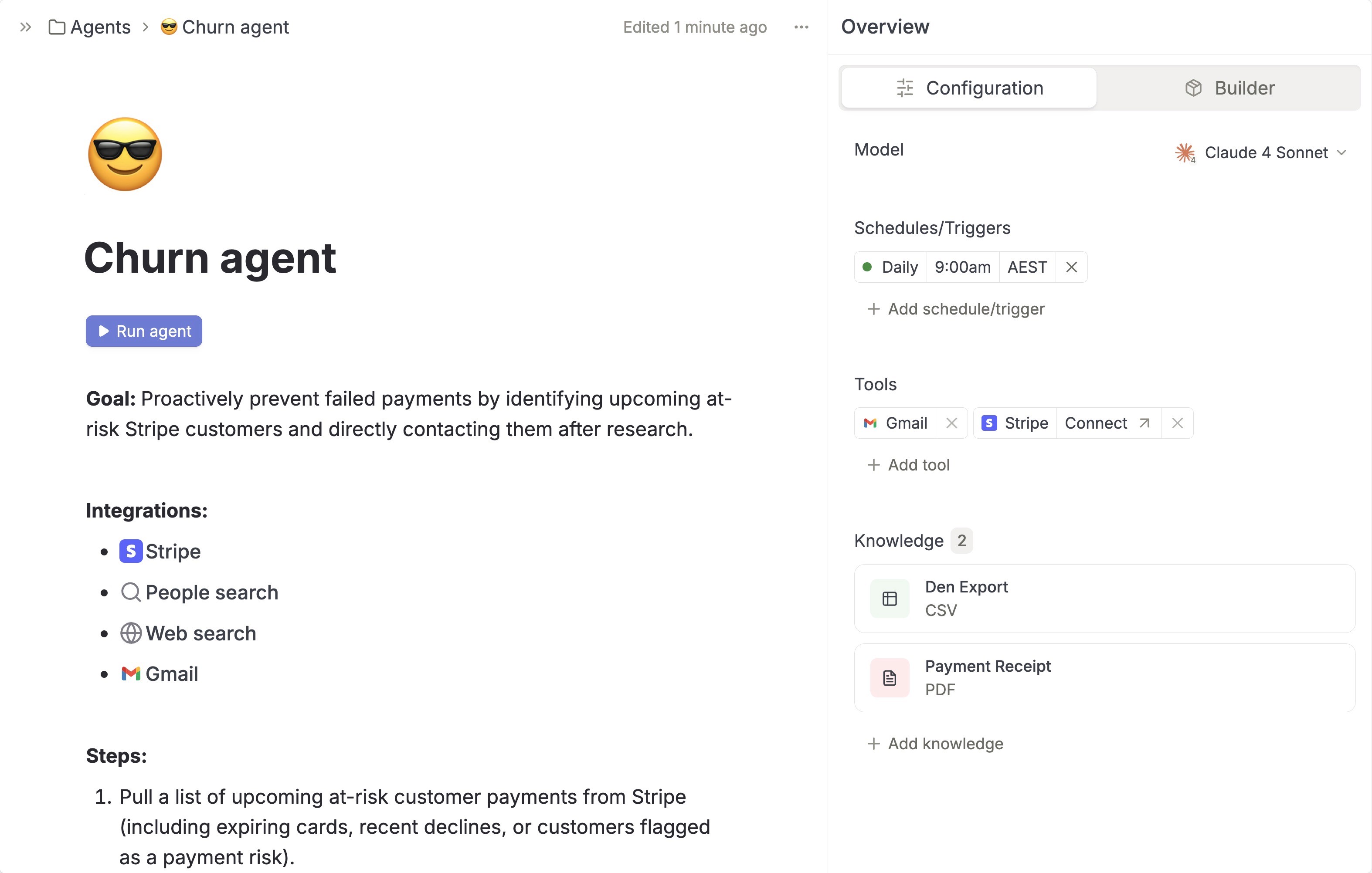
Den is an AI-powered workspace built around agents, positioning itself as a single place where humans and agents collaborate across chat and documentation. It emphasizes natural-language agent building, reviewing agent output, and running agents on triggers without writing code.
3 - Head-to-Head Table
Category | Notis | Den |
|---|---|---|
Voice capture (WhatsApp/Telegram) | Core workflow: message Notis from WhatsApp/Telegram/iMessage/email and it writes structured output to Notion. | Not confirmed as a WhatsApp/Telegram voice-capture product; positioned as an in-app AI workspace. |
Notion integration | Notion-native outputs and workflows designed around Notion as the system of record. | Integrates with Notion among 80+ tools; Notion is one integration rather than the primary UI. |
Task & reminders | Built to turn messages into tasks and reminders that live in your workspace flow. | Supports agent-driven work execution; dedicated reminders feature set is not confirmed from official pages. |
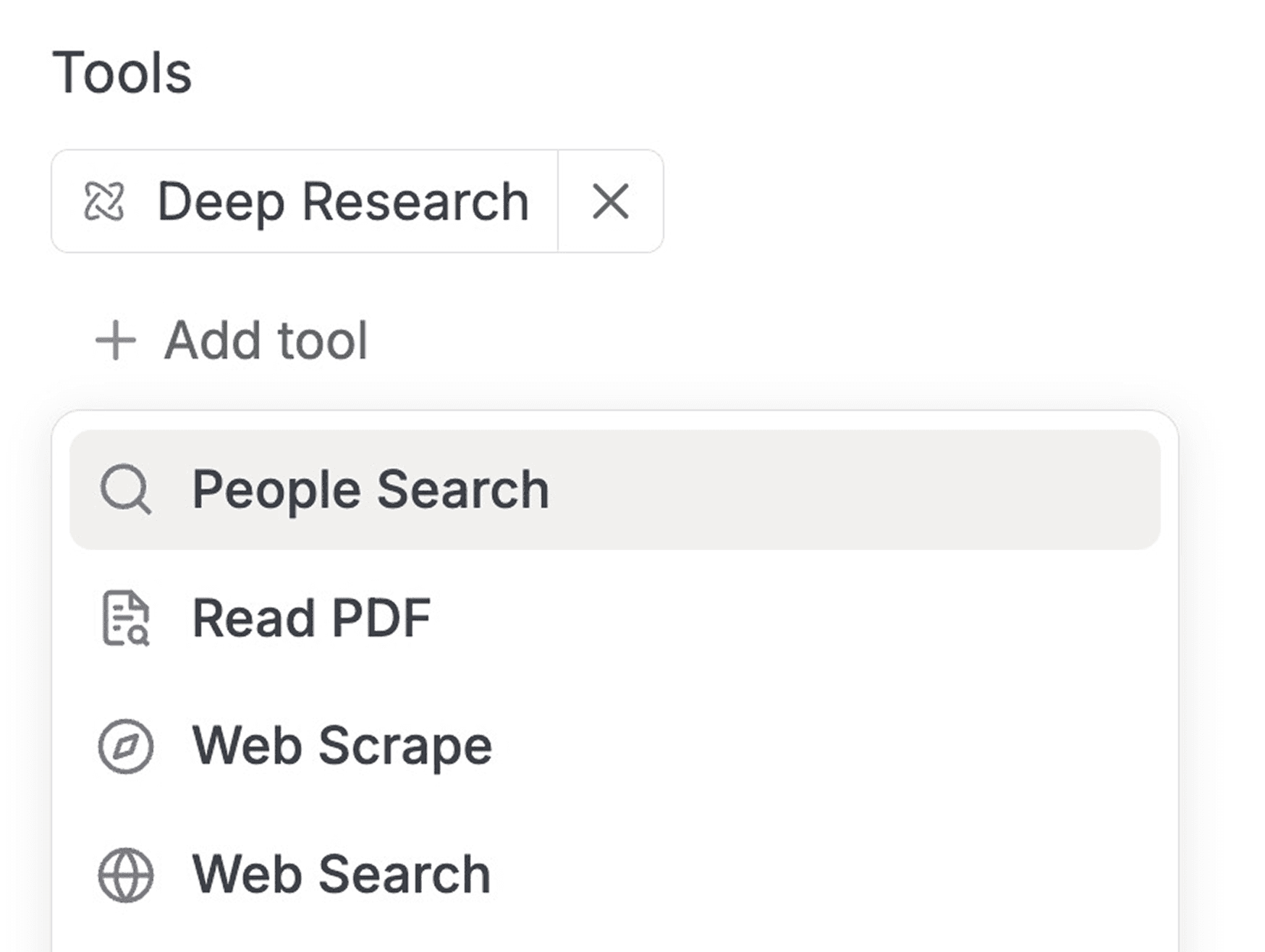
Web search & RAG | Supports web access and "deep research" style workflows as part of the assistant experience. | Knowledge-and-context positioning plus integrated tools; specific web search/RAG feature details are not fully specified on public pages. |
Automations/follow-up | Automations via webhooks/integrations and recurring triggers are part of the product story, especially on higher tiers. | Built around running agents via triggers and external events, plus managing and unblocking agents. |
Pricing | Pro is shown at $19/month billed yearly on the homepage pricing section, with higher tiers for heavier usage. | Pricing includes Free and paid tiers; Pro is $20/month, with Business and Enterprise options. |
Security & compliance | Privacy and security details are documented, including GDPR-oriented commitments, deletion policy, and subprocessor/certification info. | Security claims include SOC 2 compliance, enterprise-grade encryption, and a statement that private data is not used to train AI models. |
4 - Key Differences Explained
The “home base” question: new workspace vs Notion-native assistant
Den is designed to be a place your team works inside: agents, docs, and collaboration sit together under one roof. That approach makes sense if you want to consolidate tools and operate AI agents as first-class teammates.
Notis takes the opposite stance: it keeps Notion as the UI and system of record, and meets you where you already communicate. The practical outcome is less migration and less process change: the assistant adapts to your existing databases and structures, then writes the results back into your workspace.
Capture speed: “message it now” vs “work inside the workspace”
Notis is optimized for capturing messy, in-the-moment input, especially when you are away from your desk. You can send a voice note, forward an email, or drop a quick message, and the output becomes a clean Notion artifact without opening another app.
Den's public messaging emphasizes building and running agents within Den, then reviewing and unblocking them as needed. If your workflow is already centralized in a shared workspace, that can be a better fit than a capture-first assistant.
Automations: agents on triggers vs automations that write to your existing stack
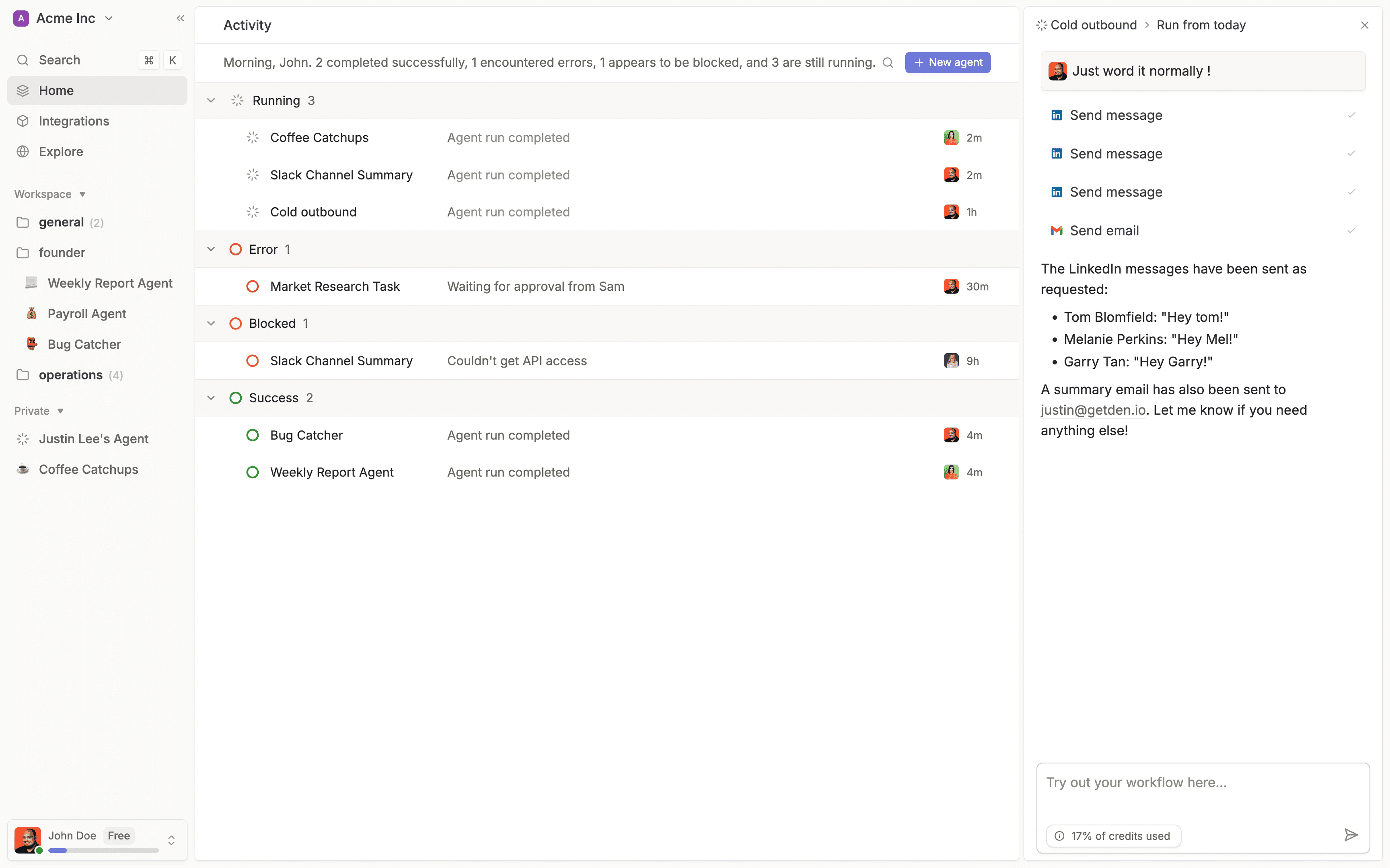
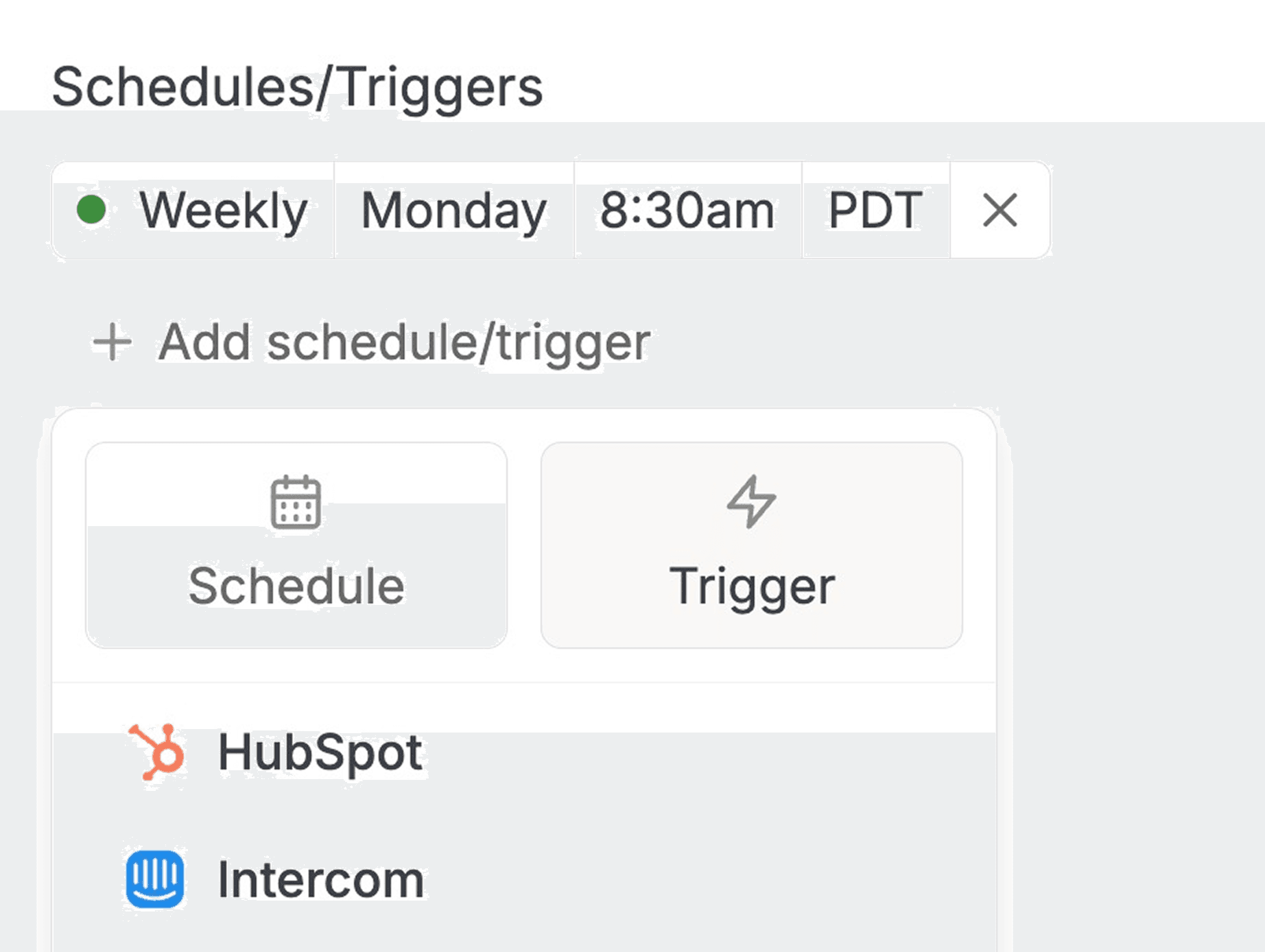
Den leans heavily into agents that can be triggered by events or schedules, with no-code setup highlighted on the homepage. This is appealing when you want reusable, persistent agents that operate as ongoing workers.
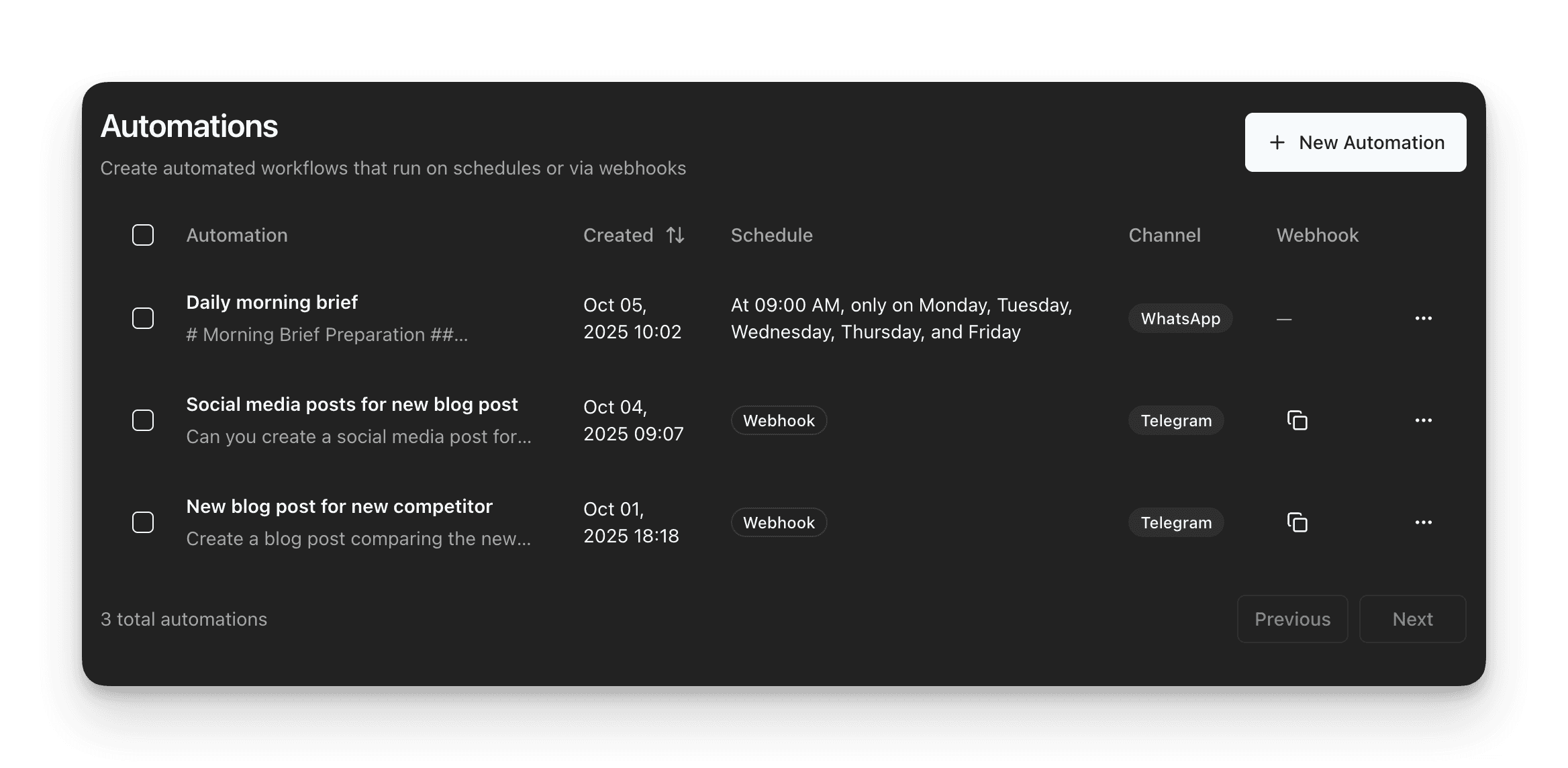
Notis also supports automation patterns, but its differentiator is where the output lands: inside your Notion workflows, with triggers via webhooks and connected integrations. If your follow-up workflow depends on Notion databases, task status fields, and linked pages, that "write-back" loop is often the deciding factor.
5 - Which One Should You Choose?
If you are an exec, operator, or consultant who lives in Notion and wants a fast way to capture decisions, action items, and drafts while moving between meetings, Notis is usually the better fit because the workflow starts with a message and ends as a structured Notion page or database entry.
If you lead a team that wants a single AI-native workspace where agents and collaboration happen together, Den can make sense, especially if you want agent building and execution to be a shared, central activity.
If you are an engineer or product team already deep in a multi-tool stack, Den’s agent-centric model may be attractive for cross-tool execution, while Notis is compelling when Notion is the system you want everything to roll up into.
In practice, the cleanest decision rule is the destination of your work. If you want the output to reliably become a Notion-native artifact without context switching, Notis fits better for voice-to-Notion workflows.
6 - Wrap-Up
Den is an AI-native workspace aimed at teams that want agents and collaboration in one place, while Notis is a Notion-native assistant aimed at turning messages into structured work inside your existing Notion system. If you are trying to reduce friction between "I had the thought" and "it's captured and actionable," Notis is the more direct path. To try it, start from notis.ai and send your first voice note to create a real Notion artifact in minutes.

Flo is the founder of Mind the Flo, an Agentic Studio specialized into messaging and voice agents.